



Debra Wesselmann
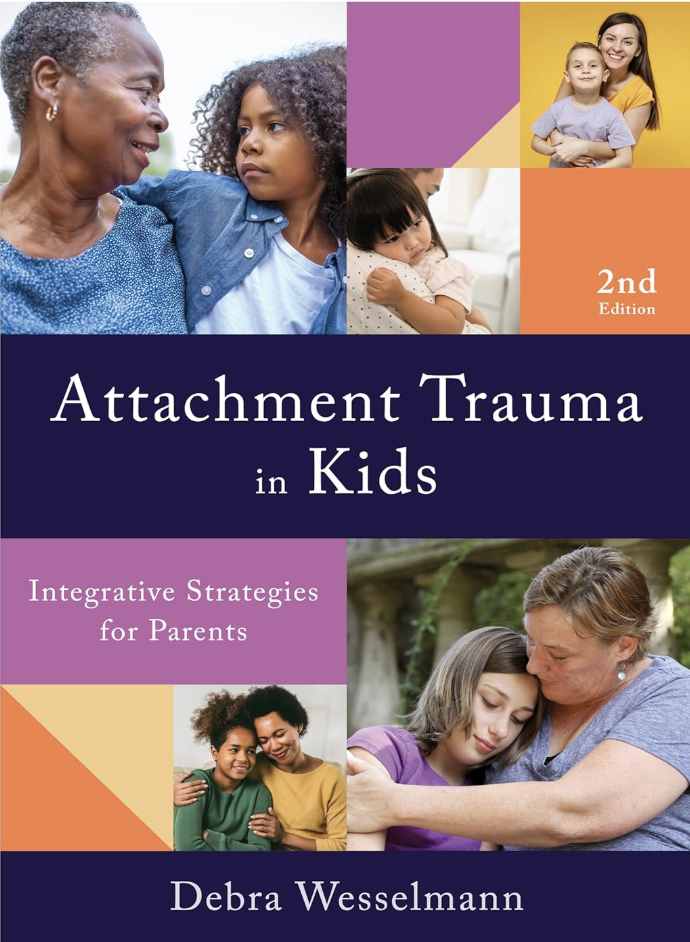
Coercive Control Can Create Hidden Psychological Conflict, Forcing Children Into Survival Mode, Debra Wesselmann Says Parents Should Stay Connected, Allow Space
LOS ANGELES, CA, UNITED STATES, June 15, 2026 /EINPresswire.com/ -- In high-conflict separations, children may appear to “choose” one parent over another. Trauma therapist and author Debra Wesselmann says this is often not a true choice, but a survival response shaped by emotional pressure within the family system, rather than a lack of love. She is responding to recent clinical discussions, including a Psychology Today article on coercive control and attachment disruption.
Wesselmann advises protective parents to remain steady, open, and emotionally connected.
“Protective parents in these situations are often facing unimaginable emotional pain,” she says. “What is frequently misunderstood is that a child’s apparent rejection may be rooted in a powerful attachment bind, not a lack of love or connection.”
“In a situation involving coercive control by one parent to reject the safe parent, we are looking at an attachment injury, not just a disagreement or a phase,” Wesselmann says.
According to Wesselmann, children in these situations are often pulled between feelings of emotional safety with the consistent, protective parent and a strong desire to earn emotional approval from the parent who has been rejecting or inconsistent in their life. Earning acceptance from the inconsistent parent may feel comforting in the moment, but the pressure to reject the other parent creates distress over time.
She calls this a “double bind,” in which the child has to give up a secure connection with one parent to earn approval from the other parent, often without a clear awareness of the conflict.
“The child is not simply choosing one parent over another,” she says. “They are trying to function in a world where love and approval feel conditional. That creates confusion, fear, and a fractured sense of identity.”
Wesselmann notes that these dynamics often intensify after separation or divorce, when children are already coping with loss of routine and stability.
“When the family structure shifts, children can become more anxious and uncertain,” she says. “They may appear aligned with one parent, but internally they are often confused and trying to stay emotionally safe.”
Despite this complexity, Wesselmann emphasizes that attachment bonds are highly resilient.
“Even when a child seems distant or rejecting, the connection with a protective parent is often still there,” she says. “It may not be visible, but it does not disappear.”
She says the most important factor for protective parents is consistency over time.
“The protective parent’s steady presence is essential,” Wesselmann says. “Consistency, emotional safety, and not reacting in anger help keep the door open for reconnection. Staying emotionally available, even in the hardest moments, matters.”
Wesselmann advises protective parents that patience, emotional availability, and long-term consistency are critical. She says this approach can increase the likelihood of restoring the parent-child relationship over time, while also providing the stable foundation a child needs to heal from attachment trauma.
About Debra Wesselmann
Debra Wesselmann, MS, LIMHP, is a trauma therapist specializing in attachment-focused treatment for children, adults, and families. She is co-founder of the Attachment and Trauma Center of Nebraska and an EMDR Institute trainer. She has extensive experience treating complex trauma, adoption-related trauma, and disrupted attachment, and trains clinicians internationally in evidence-informed trauma treatment models.
To learn more, click here: https://debrawesselmann.com/
Debra Wesselmann is available for interviews.
Amanda Kent
Boundless Media USA
+1 313-403-5636
email us here
Legal Disclaimer:
EIN Presswire provides this news content "as is" without warranty of any kind. We do not accept any responsibility or liability for the accuracy, content, images, videos, licenses, completeness, legality, or reliability of the information contained in this article. If you have any complaints or copyright issues related to this article, kindly contact the author above.
