


Growing demand for dollar-based assets is reshaping Brazilian investment behavior in the U.S. real estate market
ORLANDO, FL, UNITED STATES, June 15, 2026 /EINPresswire.com/ -- Brazilian investors are increasingly directing capital into the United States real estate market, marking what specialists describe as a long-term strategic transformation rather than a temporary trend. The movement reflects a growing preference for dollar-based assets, geographic diversification, and wealth preservation in mature international markets.According to Florida Realtors, Brazilian buyers ranked third among international buyers in Florida by dollar volume in 2025, with approximately US$762 million in residential purchases, behind Canada and Colombia.
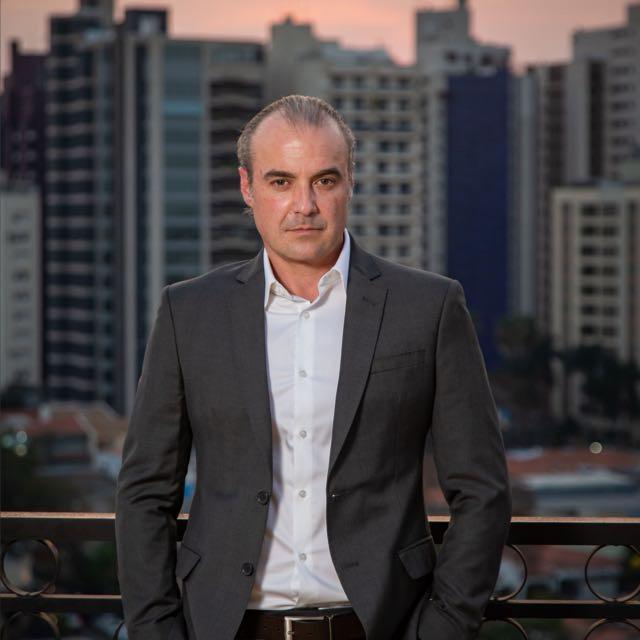
“Brazilian investors are no longer thinking only domestically. They are allocating capital globally, with a more sophisticated focus on security, currency protection, and generational planning,” said Fernando Naccache, real estate strategist and Founder of Andrade Vieira Negócios Imobiliários.
Currency Protection Drives Demand
One of the principal motivations behind the acceleration of Brazilian capital abroad is the historical depreciation of the Brazilian Real against the U.S. Dollar. Since Brazil adopted a floating exchange rate regime in 1999, currency volatility has remained a central concern for affluent families and entrepreneurs.
“Exposure to the U.S. dollar is no longer optional for many investors. It has become an essential component of long-term capital preservation,” Naccache explained.
As a result, U.S. residential and mixed-use real estate has become a preferred allocation vehicle, combining tangible asset ownership with access to one of the world’s strongest reserve currencies.
Beyond currency considerations, many investors also view the United States as a stable and transparent environment for long-term capital allocation. Legal predictability, market liquidity, and institutional stability continue to attract foreign buyers seeking consistency and lower exposure to regional volatility.
Florida Remains Primary Destination
Florida continues to lead demand among Brazilian investors due to tax advantages, lifestyle appeal, strong migration trends, and favorable economic fundamentals.
Growth corridors such as Winter Garden, Clermont, Horizon West, and Greater Orlando have drawn particular attention from buyers seeking both appreciation and recurring income opportunities. Infrastructure developments, including the expansion of State Road 516, are expected to further strengthen connectivity and asset values across Central Florida.
“Florida offers a combination that is difficult to replicate: population growth, infrastructure expansion, business-friendly policies, and international familiarity,” said Naccache.
The state has also benefited from sustained domestic migration within the United States, creating additional housing demand and supporting long-term development activity. This dynamic has contributed to increased confidence among international investors evaluating medium- and long-term opportunities.
Emerging Markets Gain Attention
Beyond Florida, other U.S. metropolitan regions are beginning to attract more strategic capital.
Cities such as Tampa have demonstrated accelerated expansion fueled by healthcare, technology, logistics, and population growth. Despite strong fundamentals, specialists note that Tampa remains relatively underexposed to Brazilian investors compared with Miami or Orlando.
“That gap creates opportunity. Some of the most attractive long-term plays are often in markets still below the radar,” Naccache noted.
Other secondary markets across the southeastern United States have also started to receive attention from investors seeking diversification beyond highly saturated metropolitan areas. Analysts indicate that infrastructure investment and demographic expansion may continue to influence capital allocation patterns in the coming years.
Long-Term Confidence in U.S. Assets
Recent market adjustments in parts of the United States have not reduced confidence among international buyers. Instead, many investors see corrections as healthier pricing resets that create entry opportunities.
“The U.S. real estate market rewards patience, planning, and long-term positioning — not short-term speculation,” said Naccache.
While interest rates and financing conditions continue to influence transaction volume, long-term fundamentals remain a relevant factor for foreign investors seeking stability and portfolio resilience.
Institutional Capital May Be Next
While the current movement is still led primarily by individual investors and family offices, analysts believe a second phase may emerge through institutional participation, private funds, and structured cross-border partnerships.
Should that occur, Brazilian capital allocation into U.S. real estate could expand materially over the next several years, especially in regions supported by economic growth, infrastructure investment, and sustained demographic expansion.
About Fernando Naccache
Fernando Naccache is a real estate strategist and investment advisor focused on premium residential assets and cross-border capital structuring. He is the Founder and Managing Director of Andrade Vieira Negócios Imobiliários and a member of the Urban Land Institute (ULI).
FERNANDO BRIGAGAO NACCACHE
Nac Development Group LLC
fernando@andradeevieira.com.br
Legal Disclaimer:
EIN Presswire provides this news content "as is" without warranty of any kind. We do not accept any responsibility or liability for the accuracy, content, images, videos, licenses, completeness, legality, or reliability of the information contained in this article. If you have any complaints or copyright issues related to this article, kindly contact the author above.
