.jpeg)
Boat size makes a difference in how a vessel moves through a swamp or bayou”
NEW ORLEANS, LA, UNITED STATES, October 9, 2026 /EINPresswire.com/ -- — Milton Walker Jr.
Navigating Louisiana's swamps and bayous requires an understanding of water depth, channel width, submerged obstacles, vegetation, and changing environmental conditions. Boat size plays an important role in determining how vessels operate within these waterways, influencing maneuverability, accessibility, passenger capacity, and navigation requirements.
Louisiana Tour Company, a New Orleans-based swamp tour operator, is examining how different vessel sizes affect navigation through the wetlands surrounding southeastern Louisiana.
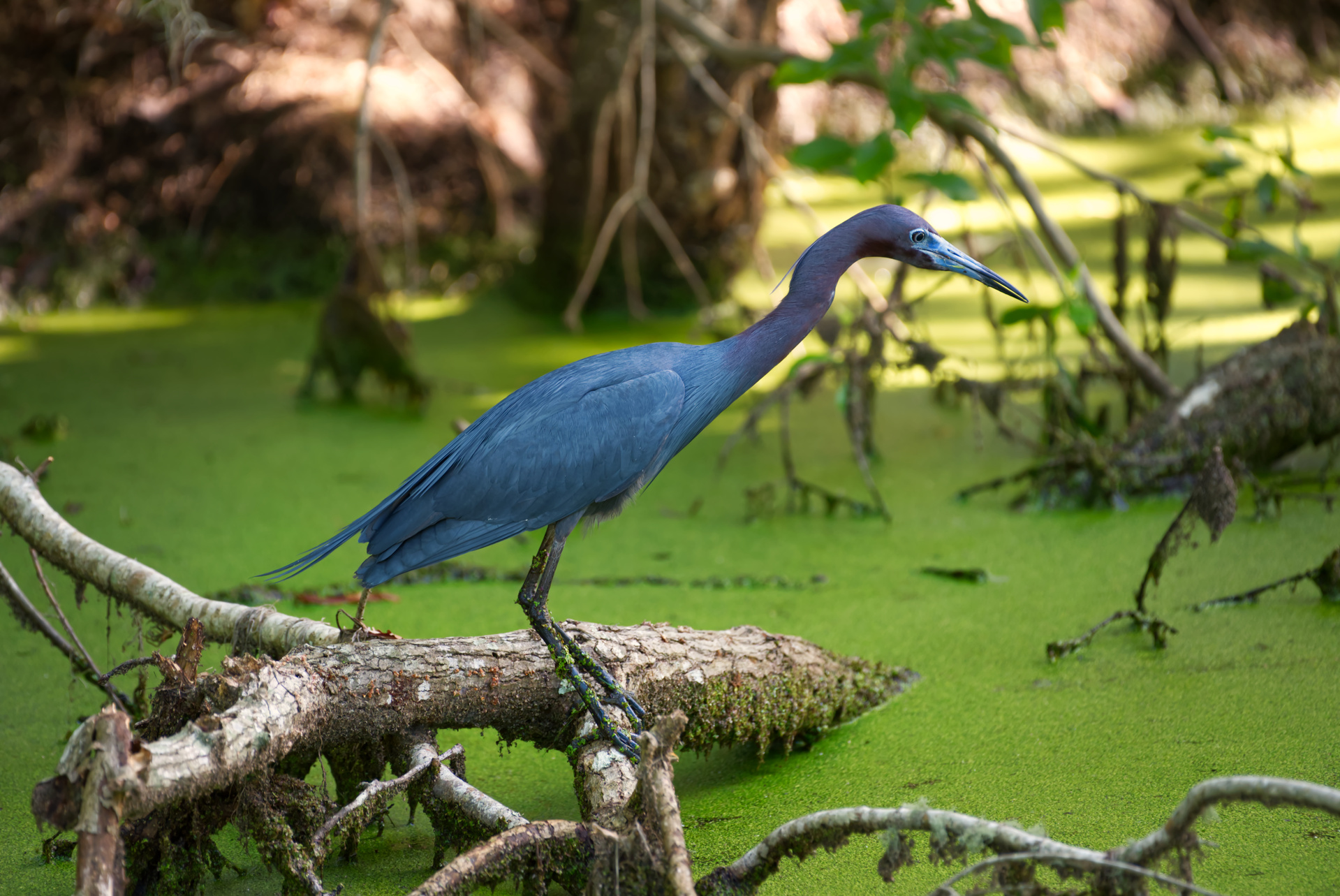
Unlike open lakes and other large bodies of water, swamps and bayous frequently contain narrow passages, shallow areas, submerged tree roots, fallen branches, and dense aquatic vegetation. These conditions can influence the types of boats capable of safely navigating particular routes.
According to Milton Walker Jr., owner of Louisiana Tour Company in New Orleans, vessel selection involves evaluating both the physical characteristics of the boat and the conditions of the surrounding waterways.
“Boat size makes a difference in how a vessel moves through a swamp or bayou,” Walker said. “A narrow passage, shallow water, or submerged obstruction can affect different boats in different ways. Understanding the relationship between vessel dimensions and waterway conditions is an important part of planning a route.”
Water Depth and Vessel Draft
One of the primary considerations in swamp navigation is vessel draft, which refers to the vertical distance between the waterline and the lowest submerged portion of a boat.
Boats with deeper drafts generally require greater water depth to operate without contacting the bottom or submerged obstacles.
Shallow-draft vessels can access certain areas that may be unsuitable for deeper-draft boats.
However, overall boat size does not independently determine draft. Hull design, passenger loading, propulsion equipment, and weight distribution also influence how deeply a vessel sits in the water.
Water levels in Louisiana wetlands can fluctuate because of rainfall, seasonal conditions, wind, tidal influences, and changes in surrounding waterways.
A passage accessible under one set of conditions may become difficult to navigate when water levels decline.
Maneuverability in Narrow Bayous
Boat length and width can influence the ability to navigate winding channels and confined waterways.
Smaller vessels may require less space to turn or change direction, particularly where trees, vegetation, or shoreline features restrict available passage.
Larger vessels may need wider channels and additional maneuvering room.
Turning characteristics also depend on hull design, propulsion configuration, operating speed, and environmental conditions.
In some waterways, limited visibility around bends can create additional navigation challenges.
Operators must account for approaching vessels, floating debris, and changing channel conditions when determining appropriate speeds and routes.
Hull Design and Navigation Characteristics
Hull configuration is another factor affecting vessel performance.
Flat-bottomed boats are commonly associated with shallow-water environments because certain designs can operate with relatively limited draft.
Other hull configurations may provide different handling characteristics depending on water conditions, vessel loading, and intended use.
Airboats use aircraft-style propellers to generate thrust above the water rather than relying on conventional submerged propellers for propulsion.
This configuration allows certain airboats to operate in shallow-water environments and areas containing aquatic vegetation.
However, airboat accessibility remains dependent on environmental conditions, vessel design, operating restrictions, and operator judgment.
“Different boat designs serve different purposes,” Walker said. “The type of hull, propulsion system, and overall vessel dimensions all affect how a boat handles. The conditions of the waterway help determine which characteristics are appropriate.”
Passenger Capacity and Weight Distribution
Passenger capacity influences vessel selection and operating conditions.
Larger tour boats may accommodate more passengers, but increased vessel dimensions can limit access to certain narrow or shallow routes.
Smaller boats may provide different maneuvering characteristics while accommodating fewer passengers.
Passenger weight, equipment, fuel, and other onboard materials affect vessel loading and draft.
Proper weight distribution also contributes to stability and handling.
Vessel operators must follow applicable capacity limits and account for changing operating conditions when determining safe loading arrangements.
Submerged Obstacles and Aquatic Vegetation
Louisiana wetlands contain natural obstacles that may not be visible from the water's surface.
Submerged logs, tree stumps, root systems, and floating debris can interfere with navigation.
Dense aquatic vegetation may also restrict movement or affect certain propulsion systems.
Boat dimensions and propulsion configurations can influence the ability to maneuver around these obstacles.
However, smaller vessel size does not eliminate navigation hazards.
Maintaining appropriate speeds and observing surrounding conditions remain important regardless of vessel dimensions.
Environmental Considerations in Wetland Navigation
Swamps and bayous support wildlife, aquatic vegetation, and sensitive shoreline environments.
Boat operation can affect surrounding conditions through wake generation, shoreline erosion, noise, and disturbance of wildlife.
Vessel speed, hull characteristics, water depth, and proximity to shorelines can influence these effects.
Operators must also observe applicable navigation restrictions, protected-area requirements, and local operating regulations.
Selecting routes appropriate for vessel characteristics can help reduce unnecessary contact with vegetation and submerged environmental features.
Weather and Changing Waterway Conditions
Weather conditions can affect navigation throughout southeastern Louisiana.
Heavy rainfall may increase water levels, while extended dry periods can expose shallow areas and submerged obstructions.
Wind can influence water movement, visibility, and vessel handling.
Thunderstorms and rapidly changing weather conditions introduce additional operational considerations.
Because wetland conditions can change, navigation decisions may require adjustments to planned routes.
Matching Vessel Characteristics to Waterway Conditions
Boat size represents one component of a broader navigation assessment.
Draft, hull configuration, propulsion type, passenger loading, maneuverability, and environmental conditions must be considered together.
A vessel appropriate for a broad, relatively deep bayou may not be suitable for a narrow passage containing shallow water and dense vegetation.
Walker emphasized that route selection should reflect the capabilities and limitations of the vessel.
“Understanding the waterways is just as important as understanding the boat,” Walker said. “Water depth, available turning space, vegetation, and changing conditions all influence navigation decisions. The vessel and the route need to be evaluated together.”
Understanding Louisiana's Wetland Waterways
Louisiana's swamps and bayous contain a wide range of navigational environments, from open channels to confined passages surrounded by dense vegetation.
Differences in boat size and design influence how vessels interact with these environments.
Recognizing those differences contributes to informed navigation planning, appropriate vessel operation, and an understanding of the physical conditions encountered throughout Louisiana's wetlands.
About Louisiana Tour Company
Louisiana Tour Company is a New Orleans, Louisiana-based tour operator providing swamp and bayou excursions in southeastern Louisiana. Owned by Milton Walker Jr., the company operates guided experiences focused on the region's wetlands, waterways, wildlife, and natural environment.
Morgan Thomas
Rhino Digital, LLC
+1 504-875-5036
email us here
Visit us on social media:
Facebook
Legal Disclaimer:
EIN Presswire provides this news content "as is" without warranty of any kind. We do not accept any responsibility or liability for the accuracy, content, images, videos, licenses, completeness, legality, or reliability of the information contained in this article. If you have any complaints or copyright issues related to this article, kindly contact the author above.
