



Commercial HVAC systems experience different demands with every season”
SLIDELL, LA, UNITED STATES, July 3, 2026 /EINPresswire.com/ -- Commercial heating and cooling systems operate year-round, but changing weather conditions throughout the seasons can place different demands on HVAC equipment. From intense summer heat and humidity to cooler winter temperatures and seasonal storms, each part of the year presents unique challenges that can affect system performance, energy use, and long-term reliability.— Jennifer Lingo
Businesses across Louisiana and Mississippi experience a wide range of weather conditions that require commercial HVAC systems to adapt quickly. While modern equipment is designed to handle changing temperatures, regular maintenance and seasonal preparation remain important for keeping systems operating efficiently.
Summer typically places the greatest demand on commercial air conditioning systems. High outdoor temperatures combined with elevated humidity levels require equipment to run longer cycles in order to maintain comfortable indoor conditions. As operating hours increase, components such as compressors, condenser coils, blower motors, and electrical connections experience additional wear.
Humidity creates another challenge during the warmer months. Commercial HVAC systems not only cool indoor air but also remove moisture. Excess humidity can make indoor spaces feel warmer than the actual temperature while creating uncomfortable conditions for employees, customers, and visitors. Maintaining proper humidity levels also helps protect furniture, electronics, inventory, and building materials.
Dirty air filters, clogged condensate drains, and restricted airflow become more noticeable during periods of heavy cooling demand. Reduced airflow forces HVAC equipment to work harder while potentially increasing energy consumption and placing unnecessary stress on system components.
As autumn arrives, cooling demands often decrease, providing an opportunity to inspect equipment before colder weather begins. This transition period allows maintenance professionals to evaluate system performance after months of continuous operation and address worn components before heating systems become the primary source of indoor comfort.
Fall is also a common time for leaves, debris, and vegetation to accumulate around outdoor HVAC equipment. Condenser units require adequate airflow to operate properly. Keeping surrounding areas clear helps maintain efficient heat transfer while reducing unnecessary strain on the system.
Winter presents a different set of operating conditions. Although winters in Louisiana and Mississippi are generally milder than those in northern regions, commercial heating systems still experience increased demand during cold fronts and freezing temperatures. Furnaces, heat pumps, rooftop units, and other heating equipment should operate safely and consistently when temperatures decline.
Heating systems that have remained inactive for extended periods may develop issues that go unnoticed until colder weather arrives. Seasonal inspections can identify worn belts, electrical problems, ignition issues, thermostat concerns, or airflow restrictions before heating demand increases.
Sudden temperature swings are common throughout the Gulf South. A building may require air conditioning one day and heating the next. Frequent transitions between heating and cooling modes can increase equipment cycling, making regular maintenance even more important for reliable operation.
Spring introduces another set of challenges. Pollen, dust, and airborne debris become more common, increasing the workload on air filtration systems. Commercial buildings with high occupancy may require more frequent filter replacements during periods of elevated airborne particles to maintain indoor air quality and proper airflow.
Spring thunderstorms can also affect commercial HVAC equipment. Lightning, power fluctuations, heavy rainfall, and strong winds occasionally damage electrical components or outdoor units. After significant weather events, visual inspections may identify debris, standing water, or physical damage that requires attention.
Roof-mounted commercial HVAC equipment may experience additional exposure to seasonal weather conditions throughout the year. High winds, heavy rain, hail, and prolonged sun exposure can gradually affect roofing penetrations, mounting hardware, insulation, and equipment enclosures. Routine inspections help identify potential issues before they develop into larger problems.
Building occupancy also changes with the seasons. Retail stores may experience increased customer traffic during holidays. Schools, healthcare facilities, restaurants, office buildings, and manufacturing operations often experience varying occupancy levels throughout the year. These fluctuations affect heating and cooling demands while influencing how HVAC systems operate on a daily basis.
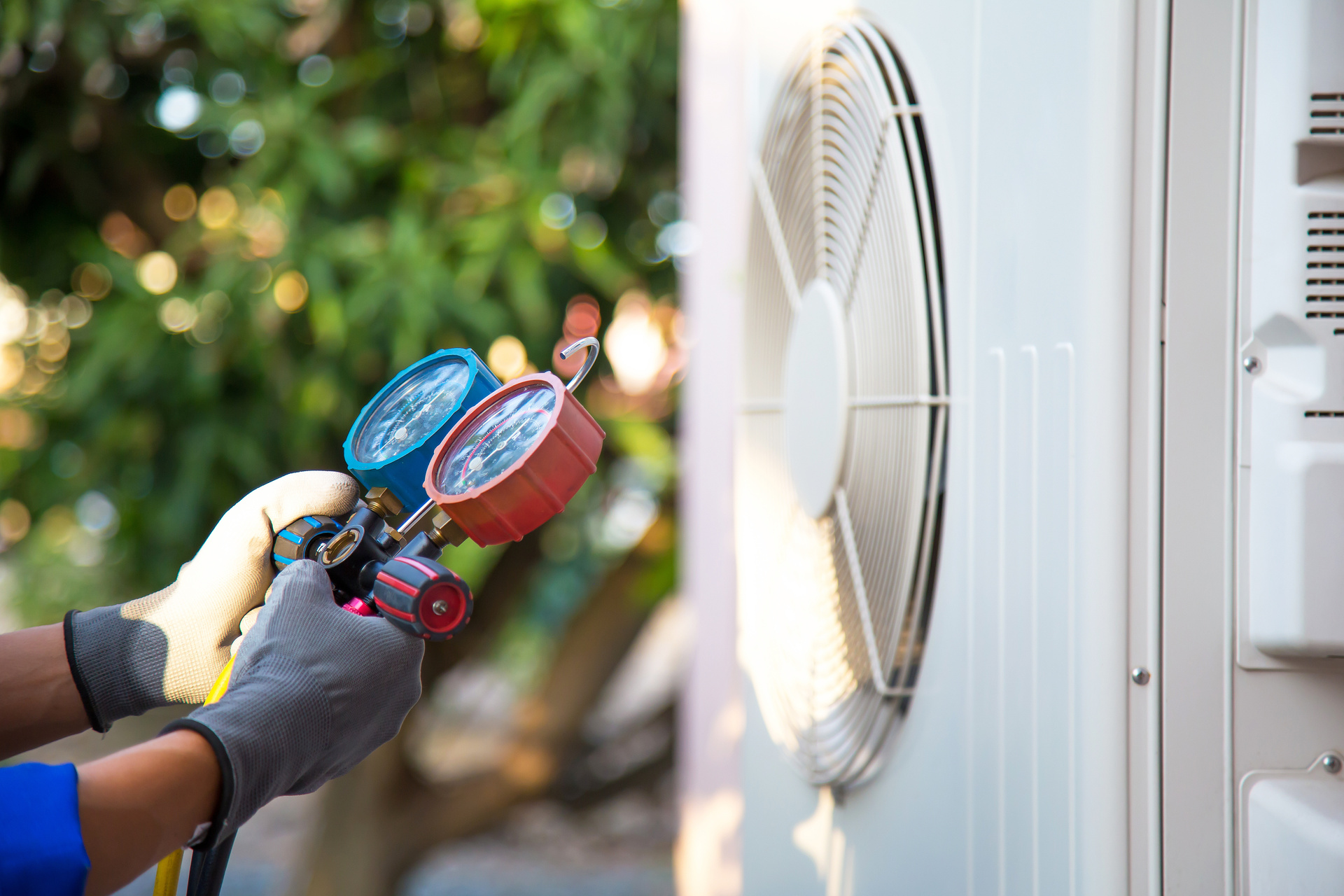
Preventive maintenance remains one of the most effective ways to prepare commercial HVAC systems for seasonal weather changes. Regular inspections typically include checking refrigerant levels, cleaning coils, replacing air filters, inspecting electrical connections, testing controls, verifying airflow, lubricating moving components where applicable, and evaluating overall system performance.
Energy efficiency is another consideration throughout the changing seasons. HVAC equipment operating under unnecessary strain may consume additional electricity while providing reduced comfort. Maintaining clean components and properly functioning controls helps support efficient operation regardless of outdoor weather conditions.
"Commercial HVAC systems experience different demands with every season," said Jennifer Lingo of LOUMIS Air, which serves customers across multiple locations in Louisiana and Mississippi. "Preparing equipment before weather changes occur helps reduce unexpected interruptions while allowing heating and cooling systems to respond more effectively as temperatures and humidity levels change throughout the year."
Seasonal weather patterns will always influence how commercial HVAC systems perform. While outdoor conditions cannot be controlled, routine maintenance, timely inspections, and attention to changing operating demands can help businesses maintain comfortable indoor environments while supporting reliable system performance throughout every season.
Morgan Thomas
Rhino Digital, LLC
+1 504-875-5036
email us here
Visit us on social media:
Facebook
Legal Disclaimer:
EIN Presswire provides this news content "as is" without warranty of any kind. We do not accept any responsibility or liability for the accuracy, content, images, videos, licenses, completeness, legality, or reliability of the information contained in this article. If you have any complaints or copyright issues related to this article, kindly contact the author above.
