



Commercial roof leaks often begin with relatively small maintenance issues that become larger over time”
WISCONSIN RAPIDS, WI, UNITED STATES, July 3, 2026 /EINPresswire.com/ -- Commercial roof leaks rarely develop without warning. In many cases, leaks begin as small issues that gradually worsen due to weather exposure, aging materials, or deferred maintenance. Identifying common causes of commercial roof leaks can help property owners address developing problems before they result in more extensive damage to buildings and business operations.— Thad Brown
Commercial roofing systems are designed to withstand years of exposure to changing weather conditions, including rain, snow, wind, ultraviolet radiation, and temperature fluctuations. Over time, however, even well-constructed roofing systems may develop areas that require repair or maintenance.
One of the most common causes of commercial roof leaks is aging roofing material. As roofing membranes, sealants, flashing, and protective coatings age, they naturally experience wear from years of exposure to sunlight and changing weather conditions. Gradual deterioration may eventually allow water to penetrate the roofing system.
Roof penetrations are another frequent source of leaks. Commercial roofs often contain HVAC equipment, plumbing vents, electrical conduit, skylights, exhaust systems, and mechanical supports. Each penetration requires flashing and sealing to maintain a watertight barrier. As these materials age or become damaged, water may enter around the opening.
Flashing failures are also commonly associated with roof leaks. Flashing is installed around roof edges, parapet walls, vents, chimneys, roof transitions, and other areas where roofing materials meet vertical surfaces. Loose, cracked, or deteriorated flashing may create pathways for water intrusion during heavy rainfall or melting snow.
Standing water, commonly referred to as ponding water, presents another concern on many low-slope commercial roofs. When drainage systems become blocked or roof slopes change over time, water may remain on the roof for extended periods following rainfall. Prolonged exposure to standing water can place additional stress on roofing materials while increasing the potential for leaks.
Roof drains, gutters, and downspouts play an important role in directing water away from commercial buildings. Leaves, dirt, debris, and other obstructions may reduce drainage capacity, allowing water to accumulate in areas not intended to hold moisture. Routine cleaning helps maintain proper water flow during storms.
Weather events frequently contribute to commercial roof damage. High winds may loosen roofing materials or flashing. Hail may damage roofing membranes or protective coatings. Heavy snow increases roof loads, while repeated freeze-thaw cycles may expand small openings within roofing materials.
Foot traffic also affects commercial roofing systems. Maintenance personnel servicing rooftop HVAC equipment, communication systems, or other mechanical equipment regularly access commercial roofs. Repeated foot traffic in designated and undesignated areas may contribute to membrane wear if appropriate protective walkways are not provided.
Poor installation practices may also contribute to future leaks. Improperly sealed seams, inadequate flashing installation, incorrect fastening methods, or insufficient drainage planning may create conditions that allow water intrusion over time. Regular inspections help identify these concerns before leaks become significant.
Roof movement caused by temperature changes can gradually affect roofing systems as well. Building materials naturally expand during warmer weather and contract during colder temperatures. This repeated movement places stress on seams, flashing, sealants, and other roofing components throughout the year.
Mechanical damage sometimes occurs during rooftop maintenance performed by contractors servicing HVAC equipment, satellite systems, electrical components, or other rooftop installations. Accidentally puncturing roofing membranes or disturbing flashing materials may create leak pathways if damage is not identified promptly.
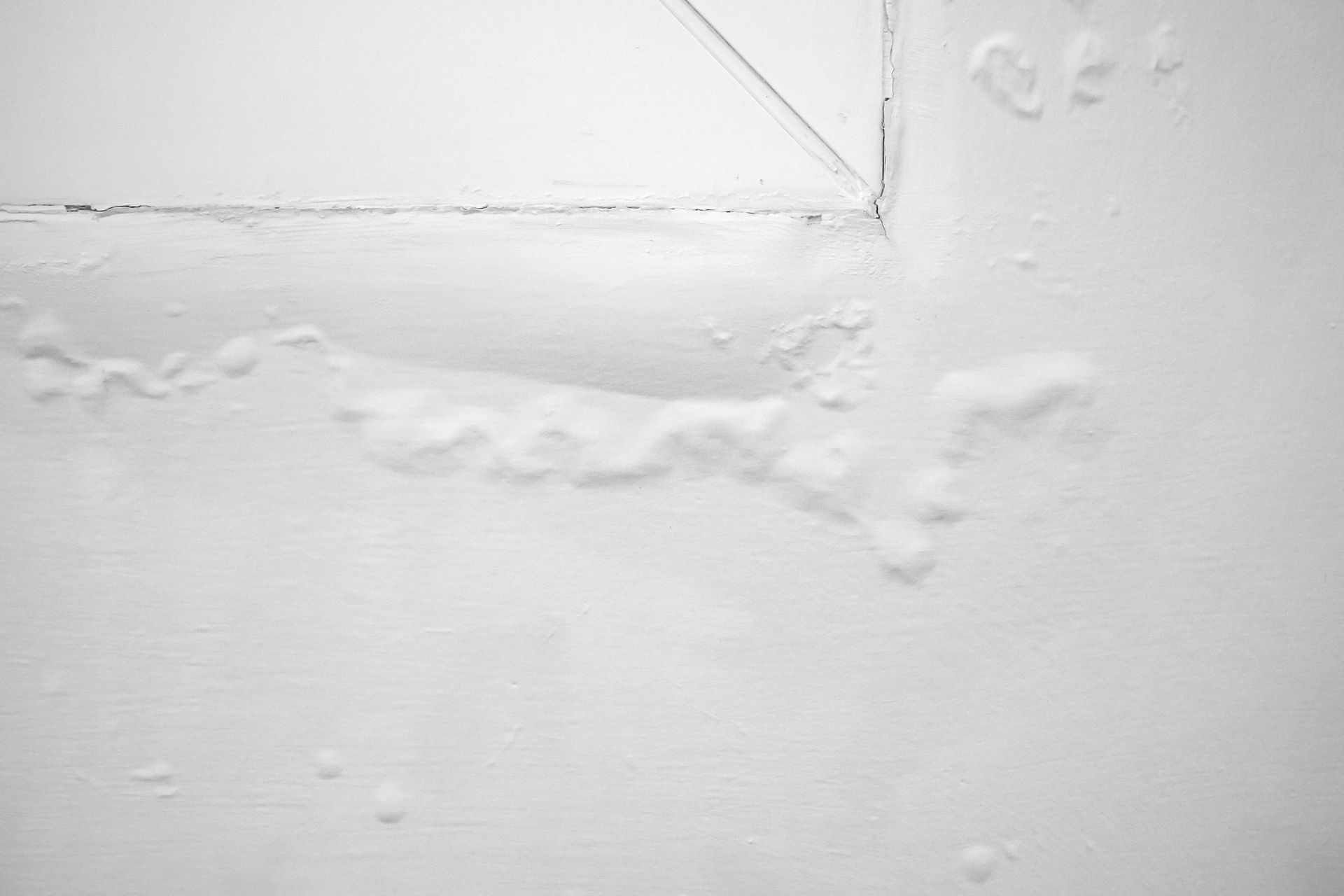
Interior signs often provide the first indication of a developing roof leak. Water stains on ceilings, damp insulation, peeling paint, bubbling drywall, musty odors, and visible moisture may indicate water entering the building through the roofing system. However, the location of interior water stains does not always correspond directly with the location of the roof leak, as water may travel significant distances before becoming visible inside the building.
Routine roof inspections remain one of the most effective methods for identifying developing problems before water intrusion occurs. Inspections often include evaluating roofing membranes, seams, flashing, drains, rooftop equipment, sealants, and areas showing signs of wear or weather-related deterioration.
Seasonal inspections may be especially valuable following severe weather events. High winds, hailstorms, heavy snowfall, and intense rainfall can affect roofing systems in ways that are not immediately visible from the ground. Early identification of damage allows repairs to begin before moisture reaches interior building materials.
Preventive maintenance also extends beyond the roof itself. Trimming nearby tree branches, maintaining drainage systems, inspecting rooftop mechanical equipment, and promptly repairing small roofing defects all contribute to reducing the likelihood of future leaks.
"Commercial roof leaks often begin with relatively small maintenance issues that become larger over time," said Thad Brown, owner of Dynamic Alliance in Wisconsin Rapids, Wisconsin. "Regular inspections and prompt attention to developing roofing concerns can help identify potential problems before water enters the building and affects interior spaces."
Commercial roofs represent a significant investment for property owners and business operators. Understanding the common causes of roof leaks, recognizing early warning signs, and maintaining routine inspection schedules can help protect buildings from water damage while supporting the long-term performance of commercial roofing systems.
Morgan Thomas
Rhino Digital, LLC
+1 504-875-5036
email us here
Visit us on social media:
Facebook
Legal Disclaimer:
EIN Presswire provides this news content "as is" without warranty of any kind. We do not accept any responsibility or liability for the accuracy, content, images, videos, licenses, completeness, legality, or reliability of the information contained in this article. If you have any complaints or copyright issues related to this article, kindly contact the author above.
