
.jpeg)
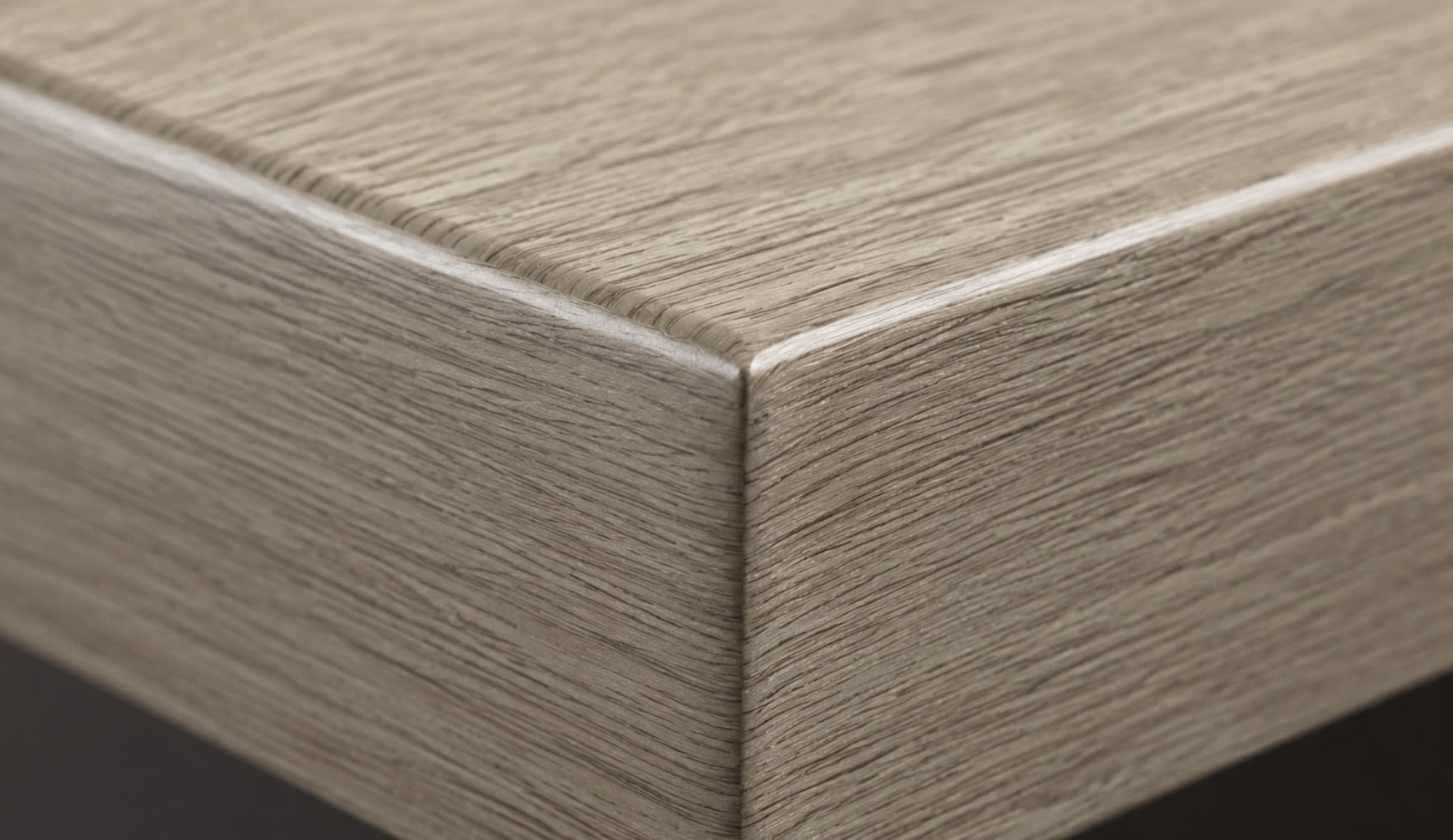
Modern cabinetry manufacturing relies heavily on intricate profile wrapping, J-pull handle shaping, and tight R-angle door folding. These geometric features demand decorative surface foils that withstand severe localized mechanical bending. However, quality control engineers in panel processing facilities frequently encounter a frustrating material defect known as stress whitening. When processing machines force conventional polyolefin films around sharp edges or ninety-degree corners, the material often develops visible white lines, chalky hazing, or color fading along the bend axis. This optical discoloration severely degrades the visual appearance of realistic wood grain patterns and solid color finishes. To address these technical processing challenges, industrial buyers seek specialized material suppliers who act as an Advanced No Stress Whitening PP Film Solutions Provider. Delivering engineered decorative foils that absorb extreme bending forces without structural micro-cracking allows panel processors to maintain flawless aesthetic consistency across complex furniture profiles.
Furthermore, stress whitening creates severe economic bottlenecks on high-speed production lines. When decorative films exhibit white creasing along folded edges, factory inspectors reject entire batches of laminated panels. Scrap rates rise rapidly, causing unexpected material waste and driving up operational production costs. In severe instances, stress whitening signals micro-structural cracking beneath the film surface, increasing long-term risks of edge peeling or moisture penetration. Consequently, cabinet manufacturers require engineered polymer substrates that offer high elongation and elastic resilience during automated processing.
Polymer Physics Demystified: What Causes Micro-Voiding and Strain Bleaching in PP Films?
Analyzing the root cause of stress whitening requires examining polymer morphology under mechanical tension. Polypropylene is a semi-crystalline thermoplastic polymer containing both ordered crystalline domains and amorphous polymer chains. When a profile wrapping machine bends a polypropylene film over a tight radius, the outer surface layer experiences intense localized tensile strain. Under severe mechanical stress, the tightly packed crystalline spherulites pull apart from the surrounding amorphous matrix. This internal mechanical separation creates microscopic voids, often referred to as crazes, within the polymer layer.
These micro-cavities dramatically alter the optical behavior of the decorative film. Instead of allowing light to pass uniformly through the surface, the micro-voids trap and scatter incoming light rays in all directions. This intense diffuse light scattering appears to the human eye as a bright, chalky white line or hazy streak along the crease. Processing variables on the factory floor often aggravate this physical phenomenon. For instance, insufficient pre-heating temperatures reduce polymer chain mobility, making the substrate brittle during deformation. Excessively high line speeds, improper pressure roller placement, and overly aggressive draw ratios similarly concentrate mechanical stress along the fold line, accelerating strain bleaching.
Molecular Engineering: How Advanced PP Formulations Eliminate Crease Bleaching
Overcoming stress whitening requires fundamental modifications at the polymer molecular level rather than temporary surface coatings. Chemical engineers at Unique (Qingdao Unique New Material Co., Ltd.) address this challenge by synthesizing specialized block copolymer polypropylene matrices combined with elastomer phase modifiers. By introducing microscopic rubbery domains within the rigid polypropylene backbone, the polymer matrix gains exceptional impact absorption and molecular elasticity. When the film undergoes tight folding, these dispersed elastomer domains deform elastically and absorb localized tensile strain, preventing the formation of internal micro-voids and crazes.
In addition, precise nucleating agents refine the crystalline structure of the polymer during extrusion, producing smaller and more uniform spherulites. Smaller crystalline domains distribute mechanical stress evenly across the film structure during tight bending. Consequently, the decorative surface maintains its original color depth and wood grain clarity without chalking or line fading. Beyond superior bending performance, these engineered PP films provide outstanding environmental safety. Containing zero plasticizers, zero heavy metals, and emitting no volatile organic compounds, the material complies fully with food-grade safety standards. This renders the film ideal for eco-friendly kitchen cabinets, wardrobe panels, and interior door applications.
Process Optimization Guidelines: Engineering Protocol for Zero-Defect Profile Wrapping
While advanced molecular formulations provide the foundation for stress-free bending, achieving zero-defect profile wrapping also requires optimizing shop-floor processing parameters. Process engineers must balance film pre-heating temperatures, line speed, and mechanical roller pressure during production runs. Pre-heating the decorative PP film to an optimal temperature range increases polymer chain flexibility without causing thermal stretching or pattern distortion. Adequate thermal activation allows the film to wrap smoothly around complex substrate geometries without generating peak internal strain.
Furthermore, machine operators must calibrate nip roller geometry and pressure profiles carefully. Applying excessive localized pressure against sharp substrate corners forces the film substrate to stretch beyond its elastic limit, triggering mechanical stress whitening. Quality control personnel should implement standardized bend testing protocols on incoming film rolls before full-scale manufacturing. Performing automated 180-degree fold tests, thermal shock exposure, and surface abrasion evaluations ensures that film batches meet strict processing tolerances. Through precise parameter control and rigorous incoming material inspection, furniture factories can eliminate edge creasing defects and achieve high first-pass production yields.
Partnering with Qingdao Unique: Flexible PP Engineering and High-Yield Production
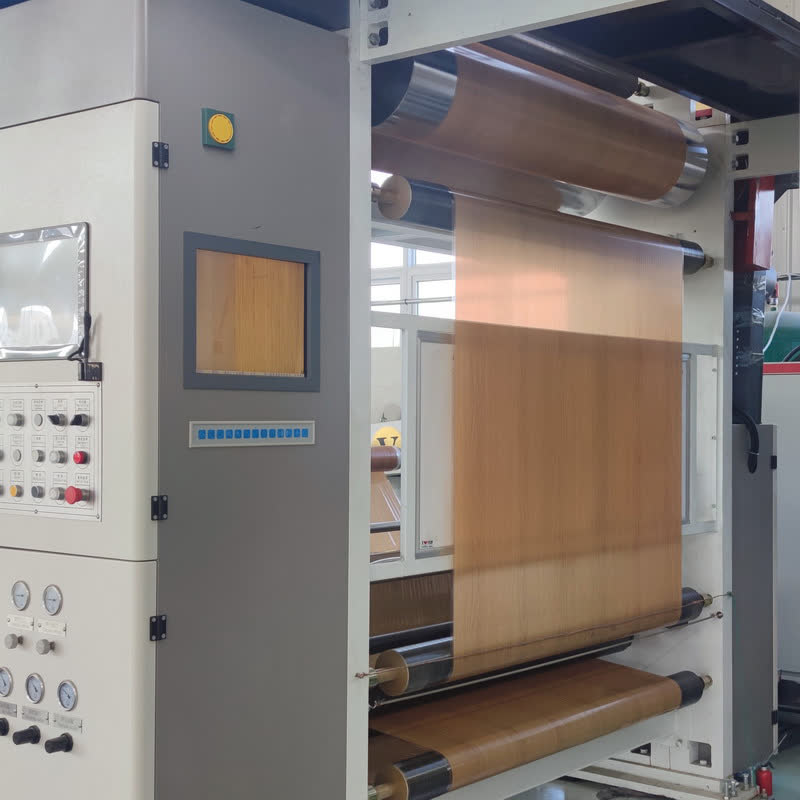
Securing a reliable supply of technical decorative films requires partnering with an experienced manufacturer possessing strong research capabilities and flexible manufacturing scale. Qingdao Unique New Material Co., Ltd. supports global furniture manufacturers and profile wrapping specialists with high-performance decorative film solutions. Operating a modern industrial production facility spanning over 20,000 square meters, the company houses 11 automated production lines managed by skilled technical teams. This manufacturing capacity enables Unique to maintain stable batch consistency and produce high-quality food-grade wood grain PP films that eliminate stress whitening entirely.
In addition, industrial clients benefit from exceptional logistical speed and custom engineering flexibility. Unique maintains short delivery lead times of just 10 to 15 days, allowing panel processors to respond quickly to market demand and reduce warehouse inventory costs. The enterprise offers comprehensive OEM and ODM services, providing custom color matching, realistic wood grain textures, and varied roll specifications to match diverse lamination equipment. By combining advanced polymer chemistry with rapid supply chain responsiveness, Unique empowers global cabinet makers to optimize product quality and minimize operational scrap rates.
Conclusion: Upgrade Your Production Yields with Unique’s PP Solutions
In summary, overcoming bending creases and stress whitening requires a dual approach combining molecular polymer engineering and optimized profile wrapping parameters. Advanced polypropylene films engineered with elastomer-modified formulations provide furniture manufacturers with a durable, eco-friendly solution that retains visual integrity during complex edge wrapping. Qingdao Unique New Material Co., Ltd. remains dedicated to advancing decorative film technology, delivering certified food-grade PP solutions backed by robust manufacturing capacity and expert technical support. Furniture manufacturers and procurement professionals seeking to improve production yields are invited to request technical datasheets and sample rolls through the official corporate website.
Corporate Website: https://www.uniquedecorfilm.com/
unique
unique
Legal Disclaimer:
EIN Presswire provides this news content "as is" without warranty of any kind. We do not accept any responsibility or liability for the accuracy, content, images, videos, licenses, completeness, legality, or reliability of the information contained in this article. If you have any complaints or copyright issues related to this article, kindly contact the author above.
