


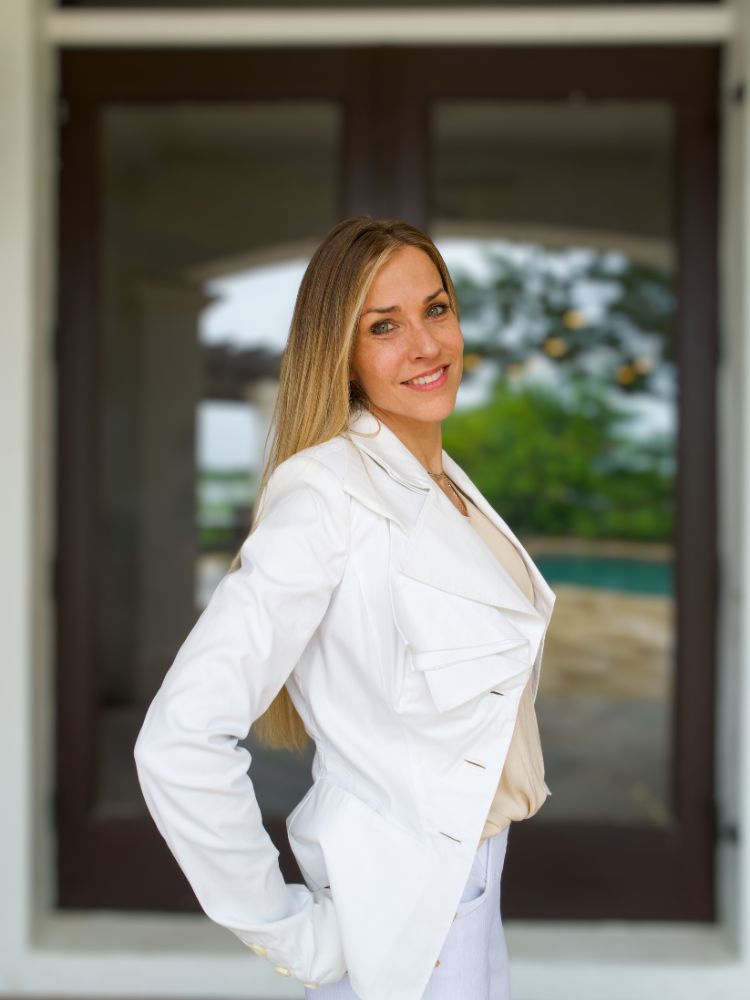
Miriam Putnam
Miriam Putnam asks a provocative question: What if emotional and psychological distress didn't begin with a prescription pad, but with holistic care?
LOS ANGELES, CA, UNITED STATES, June 22, 2026 /EINPresswire.com/ -- Imagine a person feeling overwhelmed by depression and anxiety, and, instead of immediately being prescribed medication to manage symptoms, they are offered support that addresses the whole person first. Putnam questions long-held beliefs about how society responds to emotional suffering, advocating for a more integrative approach that considers body health, mental wellness, environment, and lived experience before medication becomes the go-to response.
"We've built systems that often respond to life's problems by focusing on symptoms," Putnam says. "But emotional suffering doesn't exist in isolation. It is shaped by environment, relationships, physical health, and long-standing life experiences. We need a wider lens."
Putnam envisions a future where mental health challenges are met with compassion, context, and comprehensive care. She suggests that individuals experiencing anxiety, depression, trauma responses, or emotional overwhelm could first be offered supportive frameworks that include nutritional, sleep, and exercise guidance, lifestyle changes, and supportive coaching for forward motion.
"What if, before reaching for a prescription pad, we looked at whether someone is living under chronic stress, struggling with sleep, undetected body health ailments, facing nutritional deficiencies, carrying unresolved trauma, feeling isolated, or experiencing burnout?" Putnam asks. "This vision for the future of mental health services will take community awareness and action, but ultimately, we as a society can get there."
Her perspective reflects a growing shift toward integrative mental health models that combine comprehensive blood tests to detect underlying body issues with lifestyle-based and complementary wellness approaches. Rather than isolating symptoms, these frameworks emphasize the interconnected nature of emotional wellbeing, physical health, relationships, and daily habits, aiming to understand the whole person rather than a diagnosis.
Patients are whole people who are also seeking alternative approaches to their care. While medication remains an important tool for many, more individuals are seeking comprehensive care models that address underlying contributors to emotional distress. Advocates argue that supportive interventions can create a more personalized and sustainable path to healing.
"Care should start with curiosity instead of urgency," Putnam adds. "What if the first question isn't, ‘What do we prescribe?’ but, ‘What has this person lived through, and what basics does their body need to be able to heal?’"
She adds, "People are more than diagnoses and prescription labels," Putnam concludes. "Our systems should advance beyond how quickly we can reduce symptoms. Healing begins when we treat the whole person."
About Miriam Putnam
Miriam Putnam is a de-stress specialist specializing in lasting transformational journeys, emotional wellbeing, and integrative healing approaches. Her advocacy work focuses on expanding conversations around holistic mental health care to include body-based practices, lifestyle support, and wellness strategies.
To learn more, visit https://miriamputnam.org/.
Miriam Putnam is available for interviews.
Amanda Kent
Boundless Media USA
+1 313-403-5636
email us here
Legal Disclaimer:
EIN Presswire provides this news content "as is" without warranty of any kind. We do not accept any responsibility or liability for the accuracy, content, images, videos, licenses, completeness, legality, or reliability of the information contained in this article. If you have any complaints or copyright issues related to this article, kindly contact the author above.
