
.jpeg)

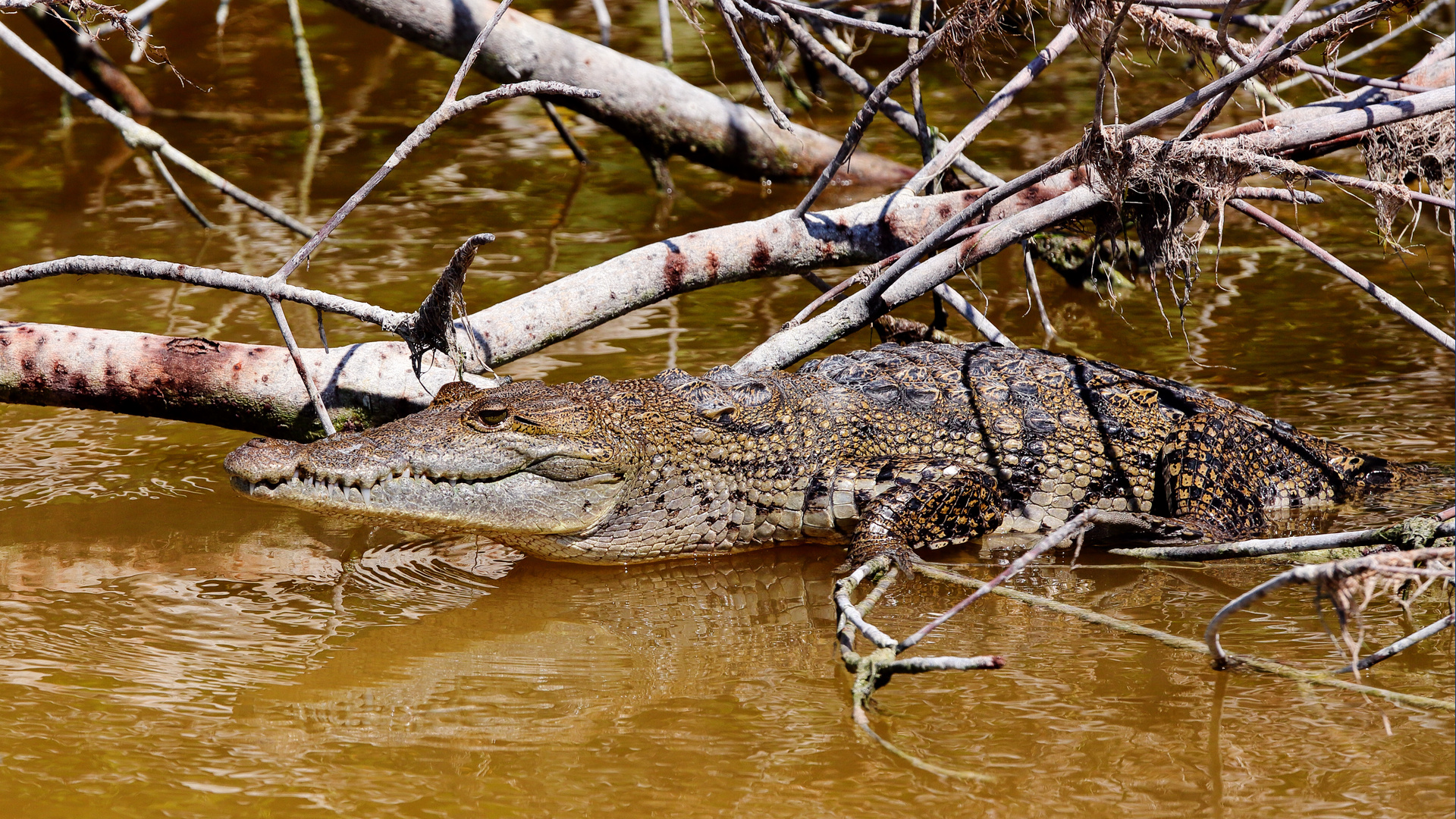

Alligators do not disappear from Louisiana swamps when winter arrives”
NEW ORLEANS, LA, UNITED STATES, November 19, 2026 /EINPresswire.com/ -- Although Louisiana is known for its warm, humid climate, winter cold fronts can bring temperatures low enough to significantly alter the behavior of American alligators. During colder periods, these reptiles reduce their activity, consume less food, and seek environmental conditions that help them tolerate declining temperatures.— Milton Walker Jr.
Louisiana Tour Company, based in New Orleans, Louisiana, is examining how American alligators respond to seasonal cold and the biological adaptations that allow them to remain in Louisiana's wetland habitats throughout winter.
American alligators (Alligator mississippiensis) are ectothermic reptiles, meaning their body temperature is strongly influenced by external conditions. As environmental temperatures decline, the animals experience changes in metabolism, movement, and digestion.
These changes explain why alligators may become considerably less visible during winter, even in wetlands that support established populations.
Reduced Metabolic Activity
Cold weather affects the rate at which an alligator's body performs essential physiological functions.
As body temperature declines, metabolism generally slows. The animal requires less energy, and activities such as feeding and movement become less frequent.
This reduction in activity allows alligators to conserve energy when environmental conditions are less favorable.
Unlike mammals that maintain relatively constant body temperatures through internal heat production, alligators rely heavily on behavioral adjustments and suitable habitat conditions.
"Alligators do not disappear from Louisiana swamps when winter arrives," said Milton Walker Jr., owner of Louisiana Tour Company in New Orleans, Louisiana. "Their behavior changes as temperatures fall. They become less active, spend more time in protected areas, and may remain out of sight until conditions become warmer."
Understanding Brumation
The reduced-activity state experienced by many reptiles during colder periods is commonly called brumation.
Brumation differs from mammalian hibernation in several respects.
Reptiles undergoing brumation may remain responsive to changes in their environment and can become active during periods of suitable warmth.
For Louisiana alligators, the degree of inactivity depends on temperature, habitat conditions, and the duration of cold weather.
A brief cold front may produce a different response than an extended period of unusually low temperatures.
The animals do not necessarily remain motionless throughout the entire winter.
Finding Protected Locations
Alligators may seek protected areas when temperatures decline.
Depending on habitat conditions, these locations can include deeper water, sheltered banks, burrows, and other areas offering relatively stable temperatures.
Water temperature often changes more gradually than air temperature, although shallow water can cool rapidly during prolonged cold.
Burrows and other sheltered locations may provide additional protection from direct exposure.
The suitability of a particular refuge depends on local conditions, including water depth, vegetation, and the severity of the cold.
Breathing During Freezing Conditions
American alligators possess a behavioral adaptation that can become particularly noticeable when surface water freezes.
In some circumstances, an alligator may position its snout above the water surface while ice forms around it.
This behavior allows the animal to maintain access to air while the rest of its body remains submerged.
The phenomenon has been documented in parts of the species' range where freezing conditions occur.
However, it does not make alligators immune to extreme cold.
Prolonged exposure to unsuitable temperatures can still cause injury or death, particularly when animals cannot access appropriate refuge.
Changes in Feeding Behavior
Feeding activity generally declines as water and body temperatures decrease.
Digestion is temperature-dependent, and cooler conditions slow the physiological processes involved in breaking down food.
As a result, alligators may eat substantially less during winter.
Their reduced metabolic requirements also mean that they do not need the same frequency of food intake associated with warmer periods.
The extent of feeding reduction varies with environmental conditions.
Warm intervals during Louisiana winters may allow some animals to become more active.
Differences Between Adults and Juveniles
Not all alligators experience cold conditions in exactly the same way.
Body size, habitat availability, and individual condition can influence responses to temperature.
Larger alligators generally experience different heating and cooling dynamics than smaller individuals.
Young alligators may also occupy different habitats and depend on available shelter.
However, age and size do not eliminate the risks associated with prolonged exposure to extreme conditions.
Cold tolerance is influenced by several interacting biological and environmental factors.
Winter Weather in Louisiana Wetlands
Louisiana's winter conditions vary considerably from year to year.
Mild periods may alternate with sudden cold fronts, producing changes in water temperature and animal activity.
Wetland habitats also differ in depth, vegetation, water movement, and exposure to wind.
These variations influence the thermal environments available to alligators.
A sheltered canal or deeper water body may provide different conditions from a shallow, exposed marsh.
Consequently, alligator behavior during winter can differ between locations and even between nearby habitats.
Why Winter Sightings Are Less Predictable
Reduced activity and greater use of sheltered habitats can make alligators more difficult to observe during colder months.
An animal that regularly basks along a shoreline during warmer weather may remain underwater or inside a refuge during a cold spell.
However, sunny conditions following a period of cold may encourage basking when temperatures become suitable.
Alligator visibility should therefore be understood as a response to current environmental conditions rather than a reliable indication of population size.
Seasonal Adaptation in Louisiana
Cold-weather behavior is part of the American alligator's adaptation to environments that experience seasonal temperature changes.
Reduced metabolism, limited feeding, and the use of protected habitats help these reptiles tolerate periods when activity is physiologically constrained.
Although Louisiana winters are generally milder than those farther north, occasional freezing conditions demonstrate the importance of these adaptations.
Understanding how alligators respond to cold provides insight into their year-round presence in the state's swamps, marshes, and freshwater ecosystems.
Morgan Thomas
Rhino Digital, LLC
+1 504-875-5036
email us here
Visit us on social media:
Facebook
Legal Disclaimer:
EIN Presswire provides this news content "as is" without warranty of any kind. We do not accept any responsibility or liability for the accuracy, content, images, videos, licenses, completeness, legality, or reliability of the information contained in this article. If you have any complaints or copyright issues related to this article, kindly contact the author above.
