
.jpeg)

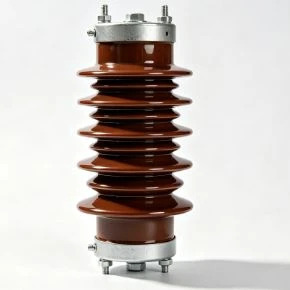
Porcelain Housing MOV Surge Arrester
SHANGRAO, JIANGXI, CHINA, October 12, 2026 /EINPresswire.com/ --
As power networks expand and electrical infrastructure becomes increasingly important to industrial development, reliable protection against lightning strikes and voltage surges remains a priority for utilities, equipment manufacturers, and infrastructure contractors. EC Insulator Jiangxi Co., Ltd. is a Chinese manufacturer of electrical components serving the power transmission and distribution sector. Its product portfolio includes surge arresters, insulators, transformers, fuse cutouts, disconnect switches, and other electrical products designed for power-system applications. With an emphasis on manufacturing capabilities, product development, and international supply, the company provides equipment options for customers seeking dependable electrical protection and insulation solutions.
Electrical networks are exposed to a variety of risks, including lightning strikes, switching operations, and temporary overvoltages. These events can damage sensitive equipment, interrupt power delivery, and increase maintenance costs if protective measures are insufficient. Surge arresters play an important role in reducing these risks by limiting excessive voltage and directing surge current safely toward ground, helping protect connected electrical equipment.
As a result, utilities and industrial buyers increasingly evaluate protective equipment based on electrical performance, insulation characteristics, environmental suitability, and long-term reliability. EC Insulator Jiangxi Co., Ltd. serves this market with a range of electrical components, including surge arresters and supporting products such as Transformer and Insulator solutions. Together, these product categories address different but closely related requirements within power generation, transmission, and distribution systems.
The Importance of Surge Arresters in Modern Power Networks
Surge arresters are protective devices designed to limit transient overvoltages that could otherwise damage electrical equipment. They are commonly installed in power distribution networks, substations, transformers, and other locations where insulation systems may be exposed to lightning or switching surges.
Many modern surge arresters use metal-oxide varistor technology. Under normal operating voltage, the arrester presents a high resistance. When a surge raises the voltage beyond its intended operating range, the arrester becomes more conductive and provides a path for surge current. After the surge passes, it returns to a high-resistance state, allowing the power system to continue operating normally.
Correct selection is essential because arresters must match the electrical characteristics of the system they protect. Rated voltage, continuous operating voltage, discharge-current capability, protective level, and energy-handling requirements all influence product suitability. Environmental conditions, including humidity, pollution, temperature, and installation altitude, may also affect the selection process.
EC Insulator Jiangxi Co., Ltd. manufactures surge arresters for electrical protection applications. Its product portfolio includes silicone surge arresters intended for use in power-system environments. Silicone-housed designs are widely used in modern protection equipment because silicone rubber can offer useful hydrophobic properties and resistance to outdoor exposure when correctly formulated and manufactured.
For utilities and contractors, the arrester's specifications must be assessed alongside the equipment it protects. A device selected for a distribution transformer, for example, may have different requirements from one installed in a higher-voltage substation. Proper coordination between arresters, insulation levels, and grounding arrangements helps ensure that protective devices perform as intended.
Material Selection and Manufacturing Quality
The performance of a surge arrester depends on more than its electrical design. Housing materials, internal components, seals, connections, and manufacturing consistency all contribute to its service life and operating reliability.
Polymer-housed arresters commonly use silicone rubber around internal electrical components. Compared with traditional porcelain designs, polymer housings can offer advantages in weight and resistance to certain forms of environmental contamination. However, performance depends on material formulation, interface design, manufacturing quality, and the severity of the installation environment.
Insulation components also require careful engineering. The housing must maintain suitable electrical insulation while protecting internal components from moisture and other environmental influences. Manufacturing processes need to support consistent dimensions, secure connections, and reliable bonding between materials.
EC Insulator Jiangxi Co., Ltd. describes its manufacturing operations as incorporating research and development, production, and quality-control procedures. The company's published information highlights automatic silicone injection equipment, testing facilities, and manufacturing processes for electrical components. Such capabilities are relevant when assessing the consistency of polymer insulators and surge arresters intended for demanding power-system applications.
Quality evaluation should include the applicable electrical tests, mechanical requirements, material performance, and environmental suitability for each product category. Buyers should request current test reports, certification documentation, and product-specific technical data when comparing suppliers. These records help establish whether a particular model meets the requirements of the intended application.
Transformer Solutions for Power Distribution
Transformers are essential components in electrical networks because they change voltage levels to support power transmission and distribution. Distribution transformers reduce electricity to levels suitable for homes, commercial buildings, and industrial facilities, while other transformer types serve specialized applications throughout the electrical system.
The selection of a transformer involves several technical considerations, including rated capacity, primary and secondary voltages, frequency, insulation system, cooling method, installation environment, and expected loading conditions. Efficiency, temperature rise, short-circuit withstand capability, and maintenance requirements also influence the long-term value of the equipment.
EC Insulator Jiangxi Co., Ltd. includes Transformer products in its electrical equipment portfolio. Its published product information covers distribution transformer categories, including single-phase and three-phase designs for different network arrangements. These products serve customers evaluating equipment for utility distribution networks and other electrical infrastructure projects.
Transformer reliability is closely linked to the quality of insulation and the management of heat and electrical stress. Depending on the transformer design, insulation systems may include insulating liquids, solid insulating materials, bushings, and other components that separate energized parts from grounded structures. The selection and condition of these materials influence safe operation and service life.
Surge protection is an important part of the broader transformer protection strategy. Lightning and switching surges can impose high electrical stress on transformer windings and insulation. Appropriately selected surge arresters installed in suitable locations can help limit these stresses, while proper grounding and insulation coordination support overall system protection.
For procurement teams, transformers and surge arresters should therefore be considered within the wider design of the electrical network. The correct equipment ratings, protective levels, installation arrangements, and maintenance procedures need to work together. A supplier with experience across multiple electrical product categories can help customers review related equipment requirements, although final system design should be confirmed by qualified electrical engineers.
Insulator Products for Reliable Electrical Isolation
Insulators provide electrical isolation and mechanical support in power systems. They help maintain safe separation between energized conductors and grounded structures, supporting the stable operation of overhead lines, substations, and distribution equipment.
Different applications require different insulator designs. Suspension insulators support conductors on transmission lines, while line-post and pin-type insulators provide support in other line and substation arrangements. Polymer insulators commonly use a fiberglass-reinforced core with an external polymer housing and sheds that help maintain insulation performance under environmental exposure.
EC Insulator Jiangxi Co., Ltd. supplies Insulator products for power infrastructure applications. Its published portfolio includes polymer insulators, polyethylene insulators, and related electrical insulation products. The company's product range covers different voltage classes and installation requirements, allowing buyers to assess options according to their system design.
The choice of insulator depends on operating voltage, mechanical loading, pollution severity, environmental conditions, and the required creepage distance. In areas with high pollution or frequent moisture, surface contamination can affect electrical performance. Suitable insulator design, correct installation, and routine inspection help manage these risks.
Polymer insulators can offer practical handling advantages because they are generally lighter than comparable porcelain assemblies. Their resistance to environmental exposure depends on material quality and design, so buyers should confirm the specifications and test results of the model under consideration. Installation practices must also follow the manufacturer's guidance and applicable engineering standards.
Insulators and surge arresters perform different functions, but both contribute to electrical reliability. Insulators provide electrical isolation and mechanical support, while arresters limit transient overvoltages. Together with transformers, switches, grounding systems, and other protective components, they form part of a coordinated electrical infrastructure.
Quality Assurance and International Standards
Electrical equipment used in power networks must meet stringent safety and performance requirements. Failures can result in service interruptions, equipment damage, costly repairs, and potential safety hazards. For this reason, utilities and contractors often evaluate suppliers through technical documentation, factory assessments, inspection procedures, and independent testing.
EC Insulator Jiangxi Co., Ltd. states that its products are developed and manufactured with reference to relevant international and Chinese standards, including IEC, ANSI, and GB requirements where applicable. The company also reports ISO 9001 quality-management certification and testing by third-party laboratories for relevant electrical products. Buyers should confirm the current validity and scope of these documents for the specific model and project.
Product testing may involve electrical withstand tests, impulse tests, mechanical assessments, and environmental evaluations, depending on the equipment category and applicable standard. For surge arresters, important parameters include residual voltage and discharge performance. For insulators, electrical and mechanical properties must be appropriate for the intended installation. Transformers require their own set of tests covering electrical performance, insulation, and operating characteristics.
Clear documentation supports more efficient procurement. Buyers should confirm model numbers, rated values, installation requirements, test reports, and any project-specific acceptance criteria before placing an order. For international projects, technical documents should also be reviewed against the regulations and standards applicable in the destination market.
Manufacturing capacity and quality management are important, but they do not replace product-specific verification. Each installation has unique requirements, and customers should ensure that the selected equipment is suitable for the actual system voltage, environmental exposure, and operational conditions.
Supporting Global Power Infrastructure Projects
Power networks differ significantly across countries and regions. Some projects focus on expanding rural distribution, while others involve urban infrastructure upgrades, industrial power supply, renewable-energy connections, or the replacement of aging electrical equipment. These applications create demand for components that can be matched to a wide range of technical and environmental conditions.
EC Insulator Jiangxi Co., Ltd. reports serving international markets with electrical components for power infrastructure. Its broad portfolio allows distributors, utilities, and electrical contractors to evaluate surge arresters, insulators, transformers, and related products through one supplier.
International procurement requires attention to more than the equipment itself. Buyers need to consider delivery schedules, packaging, export documentation, technical communication, spare parts, and after-sales support. Product specifications should be confirmed before shipment to avoid compatibility problems during installation.
For distributors, a broad product range can help serve customers with different equipment requirements. For utilities and engineering contractors, consistent documentation and responsive technical support can simplify supplier evaluation. However, all equipment must still be checked against project specifications, applicable standards, and installation requirements.
Maintenance planning is another important consideration. Electrical equipment may operate for many years in environments where access is difficult or outages are costly. Inspection schedules, replacement procedures, and the availability of technical support can therefore influence total ownership costs. A reliable procurement strategy considers the full service life of the equipment rather than focusing only on the initial purchase price.
Looking Ahead: Reliable Protection for Electrical Systems
As power networks expand and electricity demand grows, protection and insulation technologies will remain essential to electrical infrastructure. Utilities and industrial users need equipment that supports operational safety, withstands expected electrical stresses, and remains suitable for local environmental conditions.
Surge arresters help limit transient overvoltages, insulators provide electrical isolation and mechanical support, and transformers enable voltage conversion throughout the power system. Their functions are distinct, but their performance must be coordinated to protect equipment and maintain reliable electricity delivery.
EC Insulator Jiangxi Co., Ltd. serves this market with a portfolio that includes surge arresters, Transformer products, and Insulator solutions. Its manufacturing capabilities and range of electrical components give customers options to evaluate when planning new installations, expanding existing networks, or replacing aging equipment.
For prospective buyers, the most effective approach is to define the application clearly, review technical specifications, verify relevant test documentation, and confirm compatibility with the wider electrical system. Careful equipment selection, professional installation, and appropriate maintenance can help support the long-term reliability of power infrastructure.
About EC Insulator Jiangxi Co., Ltd.
EC Insulator Jiangxi Co., Ltd. is a Chinese manufacturer specializing in electrical components for power transmission and distribution applications. The company integrates research and development, manufacturing, and sales, with a product portfolio that includes surge arresters, polymer and polyethylene insulators, transformers, fuse cutouts, disconnect switches, fiberglass-reinforced rods, and related electrical accessories. Its published company information describes manufacturing facilities in Jiangxi and a focus on product development, testing, and quality management. The company serves customers in domestic and international markets, supplying electrical components for utilities, contractors, distributors, and infrastructure projects. Its products are designed for different voltage levels and installation environments, with specifications to be confirmed according to each application. More information about the company's products and services is available on its official website: www.eci-elecglobal.com
Address: Yuanyang Road, Wuyuan County, Shangrao City, Jiangxi Province China
Official Website: https://www.eci-elecglobal.com/
Lu
EC Insulator Jiangxi Co., Ltd.
info@ec-insulators.com
Legal Disclaimer:
EIN Presswire provides this news content "as is" without warranty of any kind. We do not accept any responsibility or liability for the accuracy, content, images, videos, licenses, completeness, legality, or reliability of the information contained in this article. If you have any complaints or copyright issues related to this article, kindly contact the author above.
