
.jpeg)

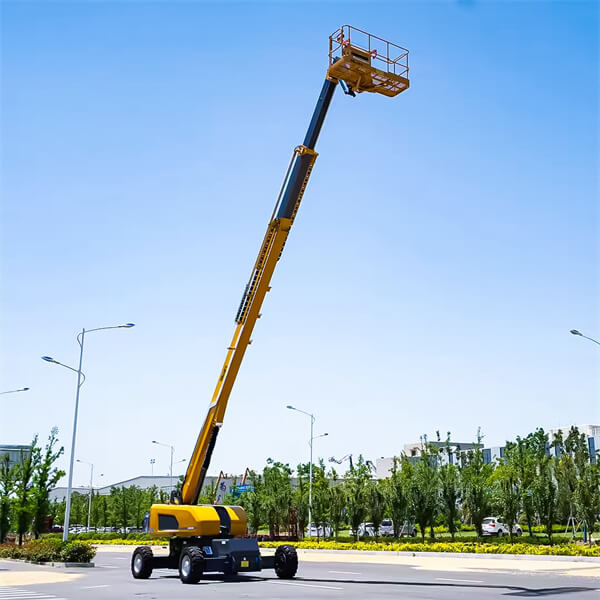
Electric Telescopic Boom Lift
ZHENGZHOU, HENAN, CHINA, November 3, 2026 /EINPresswire.com/ --
The demand for dependable aerial work equipment continues to grow as construction projects, industrial facilities, warehouses, and commercial properties seek safer and more efficient ways to complete work at height. Henan Swllift Equipment Co., Ltd. is part of this evolving equipment market, offering lifting solutions designed for a range of elevated access and material-handling requirements. As businesses place greater emphasis on operational efficiency, equipment versatility, and workplace safety, manufacturers such as SWLLIFT are drawing attention to the role of modern aerial work platforms in supporting everyday industrial operations.
The Importance of Modern Boom Lift Equipment
Working at height is a routine requirement in many industries, from building maintenance and equipment installation to warehouse management and infrastructure development. Traditional access methods, including ladders and fixed scaffolding, can be suitable for certain tasks, but they may require additional setup time or provide limited flexibility when work locations change. Mobile elevating work platforms offer an alternative by allowing authorized operators to reach elevated work areas using purpose-built equipment.
Boom lifts are commonly associated with projects that require both height and horizontal outreach. Depending on their configuration, they can help workers access areas above machinery, around building structures, or beyond obstacles that would otherwise complicate positioning. The broader aerial work platform category also includes scissor lifts and vertical mast lifts, each serving different access needs. Selecting the right equipment requires a clear understanding of the work environment, platform capacity, required height, floor or ground conditions, and the movement needed during operation.
For equipment purchasers, choosing a manufacturer involves more than comparing specifications. Buyers must also consider product range, configuration options, technical communication, spare parts availability, and after-sales support. These factors can influence how effectively equipment performs throughout its service life.
Henan Swllift Equipment Co., Ltd. and Its Approach to Aerial Access
Henan Swllift Equipment Co., Ltd. operates in the lifting equipment sector, supplying aerial work platforms and other equipment for lifting and material handling. The company’s published product range includes boom lifts, scissor lifts, mast lifts, spider lifts, and other types of access equipment. This variety reflects the different demands faced by contractors, industrial operators, rental businesses, and facility management teams.
A broad product portfolio can be useful for customers whose projects involve multiple work environments. For example, a construction contractor may need equipment for outdoor installation work as well as compact access equipment for indoor finishing. A warehouse operator may prioritize maneuverability and low-emission operation, while a maintenance team may require a platform that can be positioned efficiently in a narrow service area. Access to several equipment categories allows buyers to compare solutions according to actual working conditions rather than relying on a single machine type for every task.
SWLLIFT’s official website also presents its equipment and service offering to an international customer base. For overseas buyers, clear product information and communication about technical requirements are important parts of the purchasing process. Differences in job-site layouts, electrical systems, local safety requirements, and maintenance practices mean that equipment selection should be based on the conditions in which the machine will be used.
Vertical Mast Lift: Compact Access for Confined Work Areas
A Vertical Mast Lift is designed for applications where workers need a compact platform to reach elevated work areas, particularly in locations where available floor space is limited. Compared with larger aerial platforms, vertical mast equipment generally emphasizes a small footprint and straightforward vertical movement. Depending on the model, it may be suitable for indoor maintenance, stockroom operations, retail facility upkeep, light installation work, and other tasks requiring access above floor level.
In warehouses and commercial buildings, work areas can be crowded with shelving, displays, machinery, or pedestrian routes. A compact lift may help authorized workers position themselves near the task without requiring the extensive operating space associated with some larger machines. This can be valuable for changing light fixtures, conducting inspections, carrying out maintenance, or completing installation activities in locations where conventional access equipment may be inconvenient.
Maneuverability is an important consideration when evaluating a vertical mast lift. Buyers should check the machine’s overall dimensions, turning requirements, stowed height, platform capacity, and suitability for the intended floor surface. Indoor users may also consider whether an electric model is appropriate for their ventilation and noise requirements. Battery runtime and charging arrangements should be assessed against the expected work schedule.
The platform itself must match the task. The combined weight of workers, tools, and materials must remain within the manufacturer’s stated capacity. Operators should also be able to reach the work area without leaning beyond the platform guardrails or using unauthorized objects to gain additional height. A compact design does not remove the need for proper training, pre-use inspection, and compliance with operating instructions.
For Henan Swllift Equipment Co., Ltd., offering mast lift equipment as part of a wider aerial access portfolio allows customers to consider compact vertical access alongside other platform types. The most appropriate model will depend on the height required, the available workspace, the floor conditions, and the demands of the specific job.
Scissor Lift: Stable Vertical Elevation for Routine Tasks
A Scissor Lift is another important category of aerial work platform, widely used where workers need a platform that rises vertically to provide access to overhead work areas. Its lifting mechanism uses linked supports that extend and retract in a scissor-like arrangement. Depending on the design, the equipment may be suitable for indoor maintenance, construction finishing, warehouse operations, installation projects, and selected outdoor applications.
One of the main considerations when selecting a scissor lift is platform space. Some jobs require only one operator and a small set of tools, while others may involve several authorized workers and additional materials within the rated load limit. Buyers should review the platform dimensions, rated capacity, maximum working height, stowed dimensions, and travel characteristics before choosing a machine. The equipment must also be suitable for the intended surface and operating environment.
Electric scissor lifts are often considered for indoor applications because they can operate without direct exhaust emissions at the point of use and may produce less noise than combustion-powered alternatives. They can be useful in warehouses, shopping centers, manufacturing facilities, and other environments where ventilation or noise is a concern. However, battery capacity, charging time, floor loading, and operating duration remain important factors in the selection process.
Outdoor and rough-terrain models serve different requirements. Their suitability depends on design features, ground conditions, slope limitations, and the manufacturer’s operating specifications. A machine intended for smooth indoor floors should not automatically be assumed suitable for uneven outdoor terrain. Buyers need to confirm the model’s permitted conditions before deployment.
Henan Swllift Equipment Co., Ltd. includes scissor lifts among its aerial work platform offerings. For purchasers comparing equipment options, the company’s broader product range provides a starting point for assessing whether a scissor lift, vertical mast lift, or another platform configuration better matches the job. Final selection should be guided by verified technical data and the conditions of use rather than product category alone.
Understanding the Relationship Between Boom Lifts and Other Platforms
Although boom lifts, scissor lifts, and vertical mast lifts all support work at height, they are not interchangeable in every situation. Boom lifts are typically selected when a task requires outreach as well as elevation. Articulating boom models can provide flexibility around obstacles, while telescopic boom designs may be considered when a more direct reach is needed. Specific capabilities vary by model and manufacturer.
Scissor lifts are generally suited to jobs where workers need a vertically rising platform and a suitable working area for personnel and tools. Vertical mast lifts, meanwhile, are often considered for compact indoor access where maneuverability and a small footprint are priorities. These distinctions help purchasing teams narrow their choices before comparing detailed specifications.
A practical evaluation begins with the task itself. How high must the operator work? Is horizontal outreach necessary? Will the platform be used indoors, outdoors, or in both environments? Are the floor surfaces level and firm? How much space is available for turning and positioning? Will the machine need to pass through doorways, elevators, or narrow aisles? Answers to these questions help determine which equipment category is most appropriate.
The next step is to review the technical specifications for the shortlisted models. Maximum platform height and maximum working height are different measurements and should not be confused. Rated load capacity, machine weight, overall dimensions, gradeability, platform extension options, and power source may all affect suitability. Where equipment will be transported between locations, transport dimensions and loading arrangements should also be considered.
Safety and Operational Planning Remain Essential
Aerial work equipment can improve access, but safe operation depends on correct selection, proper training, and consistent inspection. Employers should ensure that operators are trained and authorized for the equipment they use and that the machine is deployed according to its operating manual and applicable local regulations.
Before use, operators should inspect relevant systems, including tires or wheels, controls, guardrails, emergency-lowering arrangements, warning devices, and visible structural components. Any defects that could affect safe operation should be reported and addressed before the equipment is put into service. Site-specific hazards, such as overhead power lines, openings, moving vehicles, unstable ground, and nearby machinery, should be identified before work begins.
Load limits must be observed at all times. Personnel should not exceed the permitted platform capacity by adding tools, materials, or additional occupants beyond the rated limit. Equipment must only be used on surfaces and slopes allowed by its manufacturer. Operators should follow the specified rules for driving while elevated, positioning the machine, and using any permitted platform extension.
Maintenance planning is equally important. Regular servicing can help identify wear, maintain equipment condition, and reduce unexpected interruptions. Buyers should ask about recommended maintenance intervals, consumable parts, technical documentation, and the availability of support when comparing suppliers. For businesses that rely on lifting equipment every day, an organized maintenance process can contribute to more predictable operations.
Factors Buyers Consider When Choosing a Manufacturer
The aerial work platform market serves a wide variety of customers, including construction companies, equipment rental providers, logistics operators, factories, and commercial property managers. Their purchasing priorities may differ, but several considerations are common across many buying decisions.
First, the manufacturer’s product range should align with the customer’s actual requirements. A supplier offering several platform categories may make it easier to compare alternative solutions and consolidate equipment sourcing. Second, buyers need clear specifications and dependable communication during the quotation and order process. Product dimensions, working heights, load ratings, power systems, and delivery arrangements should be confirmed before an order is finalized.
Third, quality control and documentation matter. Buyers should request relevant product manuals, inspection records, conformity documentation, and applicable certification details for the specific machine and destination market. They should independently verify that the equipment meets local requirements and that any stated certifications apply to the model being purchased.
Customization can also be relevant for distributors and fleet operators. Depending on the supplier’s capabilities, options may include branding, color, selected platform configurations, or other equipment details. Such requirements should be discussed in advance, with written confirmation of the final configuration and any effect on delivery schedules, service arrangements, or warranty terms.
Finally, after-sales support can influence the long-term value of the equipment. Access to spare parts, technical guidance, troubleshooting assistance, and maintenance information can help operators manage the equipment over time. Buyers should clarify warranty coverage, service responsibilities, and communication channels before completing a purchase.
Supporting Diverse Work Environments
The use of aerial work platforms extends across industries and project types. In construction, access equipment may support installation, finishing, inspection, and maintenance activities. In manufacturing facilities, workers may need to reach lighting systems, overhead pipes, production equipment, or building services. Warehouses and distribution centers may use compact platforms for maintenance and selected inventory-related tasks, subject to site procedures and equipment suitability.
Commercial facilities present another set of requirements. Shopping centers, hotels, exhibition spaces, and office buildings often need maintenance equipment that can be moved through indoor areas with limited disruption. In these environments, machine dimensions, noise, floor protection, and maneuverability can be as important as working height.
For contractors and rental businesses, equipment versatility and utilization rates are also relevant. A machine that suits several common applications may offer operational advantages, provided it is not used beyond its designed capabilities. Fleet managers therefore benefit from matching equipment types to recurring customer needs and maintaining accurate records of inspections, service history, and operator training.
Henan Swllift Equipment Co., Ltd.’s combination of boom lifts and other aerial work platforms positions the company within a market where customers increasingly compare equipment according to application, working conditions, and lifecycle support. Its Vertical Mast Lift and Scissor Lift offerings represent two distinct options within this broader category, addressing different access requirements rather than a single universal solution.
Conclusion: Matching Equipment to the Job
As industrial and commercial operations continue to depend on safe and efficient access to elevated work areas, aerial work platform selection remains an important part of project planning. The right equipment can help teams organize maintenance, installation, and construction tasks more effectively, but the benefits depend on choosing a suitable machine and operating it responsibly.
Henan Swllift Equipment Co., Ltd. offers a range of lifting solutions that includes boom lifts, vertical mast lifts, and scissor lifts. For prospective buyers, the practical next step is to define the work requirements, compare the relevant technical specifications, and confirm safety, service, and compliance details directly with the supplier. A careful evaluation can help businesses identify equipment that fits their operational needs while supporting consistent and responsible work-at-height practices.
Company Profile: Henan Swllift Equipment Co., Ltd.
Henan Swllift Equipment Co., Ltd. is a lifting equipment supplier based in Zhengzhou, Henan, China. The company focuses on aerial work platforms, material lifting equipment, and material handling solutions. Its published product range includes boom lifts, scissor lifts, vertical mast lifts, spider lifts, and other lifting and handling equipment intended for different industrial and commercial applications.
Through its product portfolio and international business activities, SWLLIFT serves customers seeking equipment for construction, maintenance, warehousing, and other work-at-height requirements. Buyers can consult the company for product specifications, model comparisons, and information about available configurations and support services.
For further information about its equipment range and company services, visit the official website: www.swllifts.com.
Address: No.609, Floor 6, Building 3, Greenland Metropolis, No.80 Jinshui East Road, Zhengzhou Area, Henan Pilot Free Trade Zone (Zhengdong)
Official Website: https://www.swllifts.com/
Wang Bing
Henan Swllift Equipment Co., Ltd.
inquiry@swllift.com
Legal Disclaimer:
EIN Presswire provides this news content "as is" without warranty of any kind. We do not accept any responsibility or liability for the accuracy, content, images, videos, licenses, completeness, legality, or reliability of the information contained in this article. If you have any complaints or copyright issues related to this article, kindly contact the author above.
