


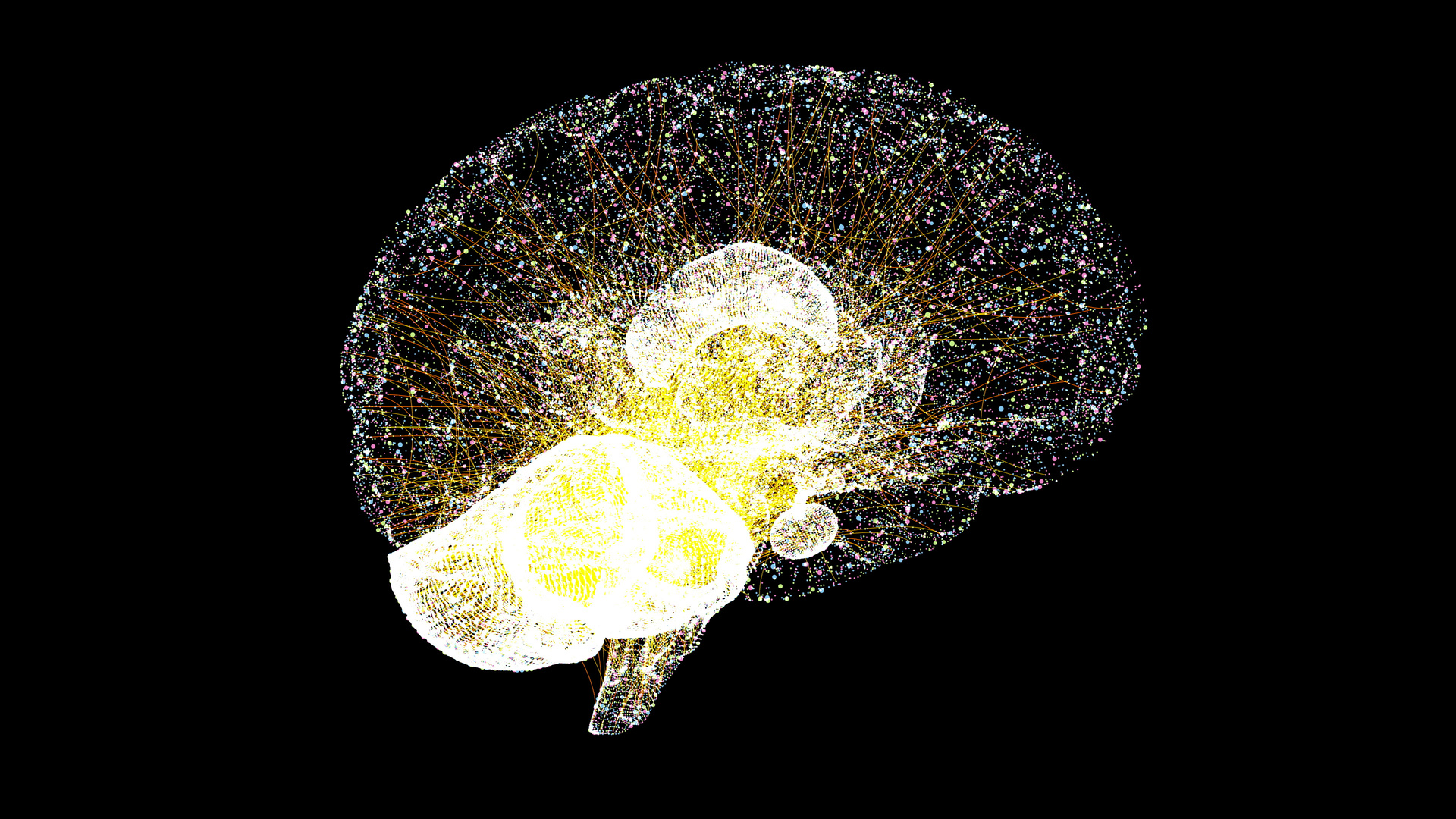

Brain health is connected to many aspects of overall physical health”
GULFPORT, MS, UNITED STATES, July 2, 2026 /EINPresswire.com/ -- Brain health is often associated with memory, concentration, and cognitive function, but many factors that influence the brain begin elsewhere in the body. Routine health screenings can help identify medical conditions that may affect brain function over time, allowing healthcare providers to address concerns before symptoms become more significant.— Dr. Stanford Owen
Many people think about preventive healthcare in terms of heart disease, diabetes, or cancer screenings. However, regular medical evaluations may also provide valuable insight into factors that contribute to healthy brain function. Blood pressure, cholesterol levels, blood sugar, thyroid function, vitamin deficiencies, sleep quality, and other health indicators all have the potential to influence cognitive performance.
High blood pressure remains one of the most common health conditions affecting adults. When left unmanaged, elevated blood pressure may reduce the health of blood vessels throughout the body, including those supplying the brain. Routine screenings can identify changes early, allowing healthcare providers to recommend appropriate management strategies.
Blood sugar is another important consideration. Diabetes and prediabetes may affect circulation, nerve function, and overall health, including the brain. Regular glucose testing allows healthcare professionals to identify abnormal blood sugar levels before complications become more difficult to manage.
Cholesterol screenings also contribute to preventive care. Healthy circulation supports oxygen and nutrient delivery throughout the body, including brain tissue. Monitoring cholesterol levels allows providers to evaluate cardiovascular health while considering factors that may influence long-term cognitive wellness.
Routine laboratory testing may also identify vitamin and mineral deficiencies. Low levels of vitamin B12, vitamin D, iron, and other nutrients have been associated with symptoms such as fatigue, difficulty concentrating, memory concerns, or changes in mood. Identifying nutritional deficiencies allows healthcare providers to determine whether treatment or dietary adjustments may be appropriate.
Thyroid disorders may also affect brain function. An underactive or overactive thyroid can contribute to memory difficulties, slowed thinking, fatigue, anxiety, or changes in concentration. Because many thyroid disorders develop gradually, routine blood testing often identifies problems before symptoms become severe.
Sleep health has become another important topic in preventive medicine. Sleep disorders such as obstructive sleep apnea may interfere with oxygen levels, daytime alertness, memory, and concentration. Individuals experiencing persistent fatigue, loud snoring, or excessive daytime sleepiness may benefit from further evaluation.
Mental health screenings also represent an important part of overall brain health. Depression, anxiety, chronic stress, and other behavioral health conditions may affect attention, memory, decision-making, and daily functioning. Early recognition allows healthcare providers to recommend appropriate treatment options based on each individual's needs.
Routine physical examinations often include discussions about lifestyle factors that support cognitive health. Regular physical activity, balanced nutrition, quality sleep, social interaction, and mental stimulation all contribute to maintaining healthy brain function throughout life.
Age-related cognitive changes occur naturally, but sudden or progressive memory concerns should not automatically be dismissed as a normal part of aging. Healthcare providers may recommend additional evaluation when changes in memory, language, reasoning, or daily functioning become noticeable.
Family medical history also plays an important role during routine health screenings. Certain neurological conditions may occur more frequently among individuals with specific family histories. Sharing this information allows healthcare providers to consider whether additional monitoring or preventive strategies may be appropriate.
Medication reviews represent another valuable component of routine medical care. Some prescription medications, over-the-counter products, or combinations of medications may contribute to confusion, drowsiness, or memory difficulties. Regular review helps identify opportunities to adjust treatment plans when appropriate.
Hearing and vision screenings can also support brain health. Untreated hearing loss and vision changes may contribute to communication difficulties, social withdrawal, or increased cognitive workload during daily activities. Addressing sensory changes helps individuals remain engaged with their surroundings while supporting overall quality of life.
Healthcare providers may also recommend cognitive screening during routine medical visits for certain individuals, particularly older adults or those experiencing memory concerns. These brief assessments evaluate areas such as memory, attention, language, and problem-solving skills while helping determine whether additional evaluation is warranted.
"Brain health is connected to many aspects of overall physical health," said Dr. Stanford Owen, owner of ADD Clinics in Gulfport, Mississippi. "Routine health screenings provide opportunities to identify medical conditions that may influence memory, attention, concentration, and cognitive function before they become more significant. Preventive care allows healthcare providers to evaluate the whole person rather than focusing on a single symptom."
Preventive healthcare continues to emphasize the importance of identifying health concerns early. While no screening can prevent every medical condition, regular evaluations provide valuable information that helps guide treatment decisions and monitor changes over time.
As awareness of brain health continues to grow, routine health screenings remain an important part of maintaining overall wellness. Monitoring blood pressure, blood sugar, cholesterol, nutrition, sleep, mental health, and other medical factors provides healthcare professionals with a broader understanding of the conditions that support healthy cognitive function throughout every stage of life.
Morgan Thomas
Rhino Digital, LLC
+1 504-875-5036
email us here
Visit us on social media:
Facebook
Legal Disclaimer:
EIN Presswire provides this news content "as is" without warranty of any kind. We do not accept any responsibility or liability for the accuracy, content, images, videos, licenses, completeness, legality, or reliability of the information contained in this article. If you have any complaints or copyright issues related to this article, kindly contact the author above.
