



Restaurant websites should answer questions before visitors have to ask them. ”
NEW ORLEANS, LA, UNITED STATES, July 15, 2026 /EINPresswire.com/ -- Restaurant websites often serve as the first stop for people deciding where to eat, especially when time is limited. Before choosing a restaurant, many customers look online for menus, hours, locations, reservation options, and photos. A website that presents this information clearly can reduce uncertainty and help diners make decisions more quickly.— Brett Thomas
Restaurant choices frequently happen in real time. Families planning dinner, travelers exploring an unfamiliar city, and professionals looking for a lunch destination often compare several restaurants within minutes. When important details are easy to find, the decision process becomes more efficient.
Digital expectations have changed considerably during the past decade. Customers increasingly rely on mobile devices to research restaurants while away from home. A website that loads quickly and organizes information logically can provide answers before attention shifts to another option.
Menus remain one of the most important features visitors seek. A clearly organized menu with current pricing, descriptions, and dietary information allows customers to determine whether a restaurant meets their preferences before making the trip. Special menus for children, seasonal offerings, vegetarian options, or gluten-sensitive meals can further simplify the selection process.
Restaurant hours are equally important. Customers often search during holidays, weekends, or late evenings when schedules may differ from normal operating hours. Displaying accurate business hours helps eliminate confusion and reduces the likelihood of unnecessary trips.
Location information also influences dining decisions. Embedded maps, parking information, nearby landmarks, and directions help visitors estimate travel time and determine whether a restaurant fits within existing plans. Travelers unfamiliar with an area often depend on these details before making reservations or beginning a drive.
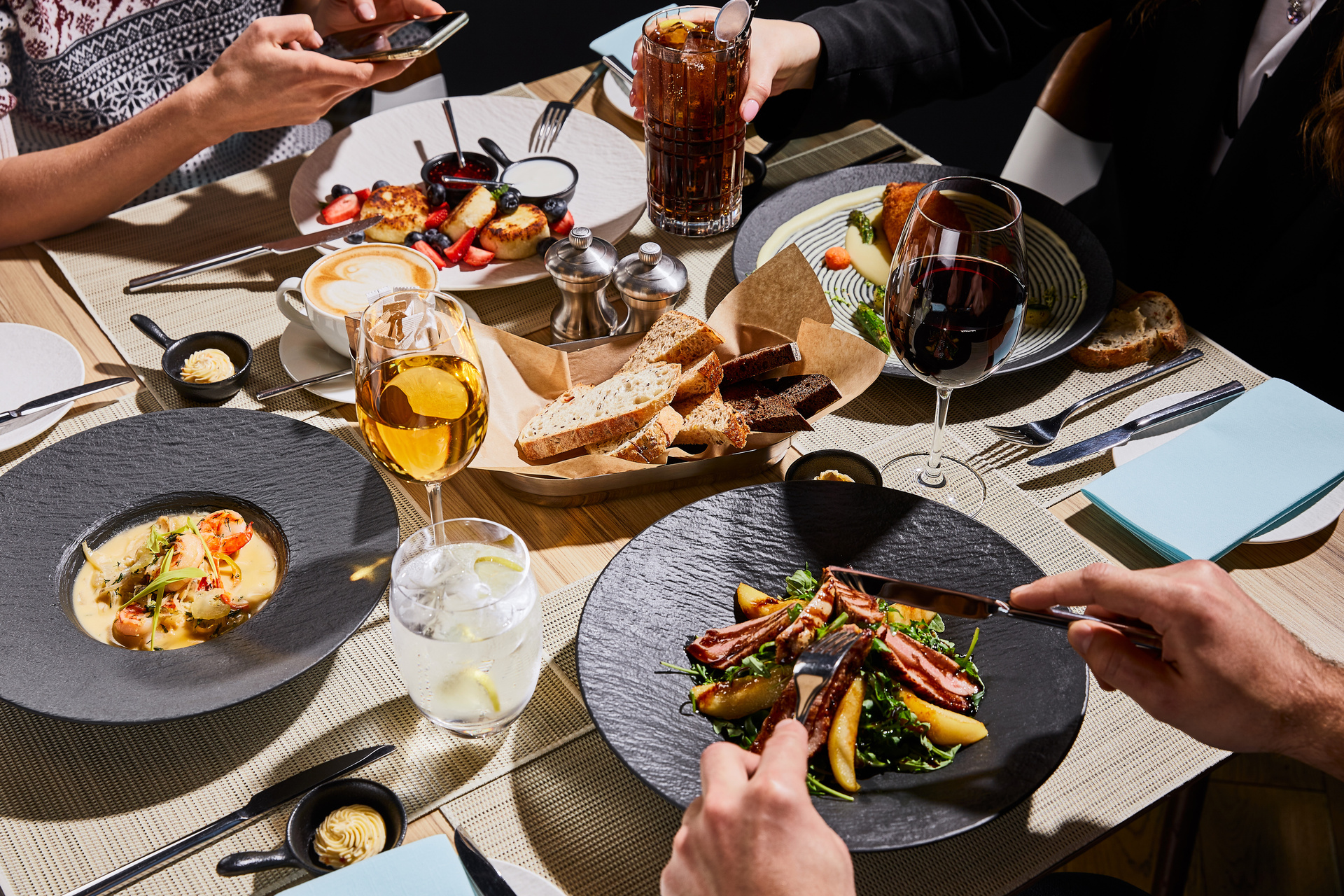
Photography plays a significant role in helping customers visualize the dining experience. Images of dining rooms, outdoor seating, signature dishes, and beverages create realistic expectations about atmosphere and presentation. Authentic photography can answer many questions without requiring additional research.
Reservation systems further reduce decision time by allowing customers to immediately check availability and secure a table. Instead of leaving the website to search elsewhere, visitors can complete the process within the same experience. Restaurants without reservations may instead benefit from clearly explaining seating policies or estimated wait times when applicable.
Contact information should remain easy to locate throughout the website. Phone numbers, email addresses, and social media links provide additional ways for customers to confirm details that may not appear elsewhere. Accessibility information, private dining options, catering details, and frequently asked questions can also eliminate uncertainty before arrival.
Mobile usability continues to influence customer behavior. Many restaurant searches occur while people are traveling, shopping, or attending events. Buttons that are easy to tap, readable text, and simplified navigation allow visitors to locate important information without excessive scrolling or repeated searches.
Website speed also affects decision-making. Slow-loading pages may interrupt the research process, especially when customers compare multiple dining options. Faster access to menus, contact information, and reservation tools helps maintain attention and allows visitors to continue evaluating the restaurant without unnecessary delays.
Consistency across digital platforms contributes to confidence as well. Information displayed on a restaurant's website should match business listings, online maps, reservation services, and social media profiles. Consistent details reduce confusion and help customers trust that operating hours, addresses, and menu offerings remain accurate.
Accessibility features benefit a broad range of visitors. Readable fonts, sufficient color contrast, descriptive image text, and keyboard-friendly navigation improve usability for people with varying abilities while creating a more inclusive experience for all website visitors.
Seasonal promotions, special events, live entertainment schedules, and holiday dining information can also support faster decisions when presented in a straightforward manner. Customers often visit restaurant websites with specific occasions in mind, making current information particularly valuable during planning.
Brett Thomas, owner of Rhino Web Studios in New Orleans, Louisiana, discussed the importance of helping visitors locate information efficiently.
"Restaurant websites should answer questions before visitors have to ask them. Menus, hours, reservations, locations, and photographs all contribute to faster decisions because people generally prefer clear information rather than searching through multiple sources. A website that removes uncertainty often creates a smoother experience from the first visit through arrival at the restaurant."
As consumer habits continue evolving, restaurant websites increasingly function as practical decision-making tools rather than simple online brochures. Clear navigation, accurate information, mobile-friendly design, and organized content allow visitors to compare options efficiently and make informed choices with greater confidence.
Restaurants continue investing in digital communication because online research has become a routine part of dining decisions. Providing accurate, accessible, and current information enables customers to spend less time searching for answers and more time enjoying the dining experience.
Morgan Thomas
Rhino Digital, LLC
+1 504-875-5036
email us here
Visit us on social media:
Facebook
Legal Disclaimer:
EIN Presswire provides this news content "as is" without warranty of any kind. We do not accept any responsibility or liability for the accuracy, content, images, videos, licenses, completeness, legality, or reliability of the information contained in this article. If you have any complaints or copyright issues related to this article, kindly contact the author above.
