


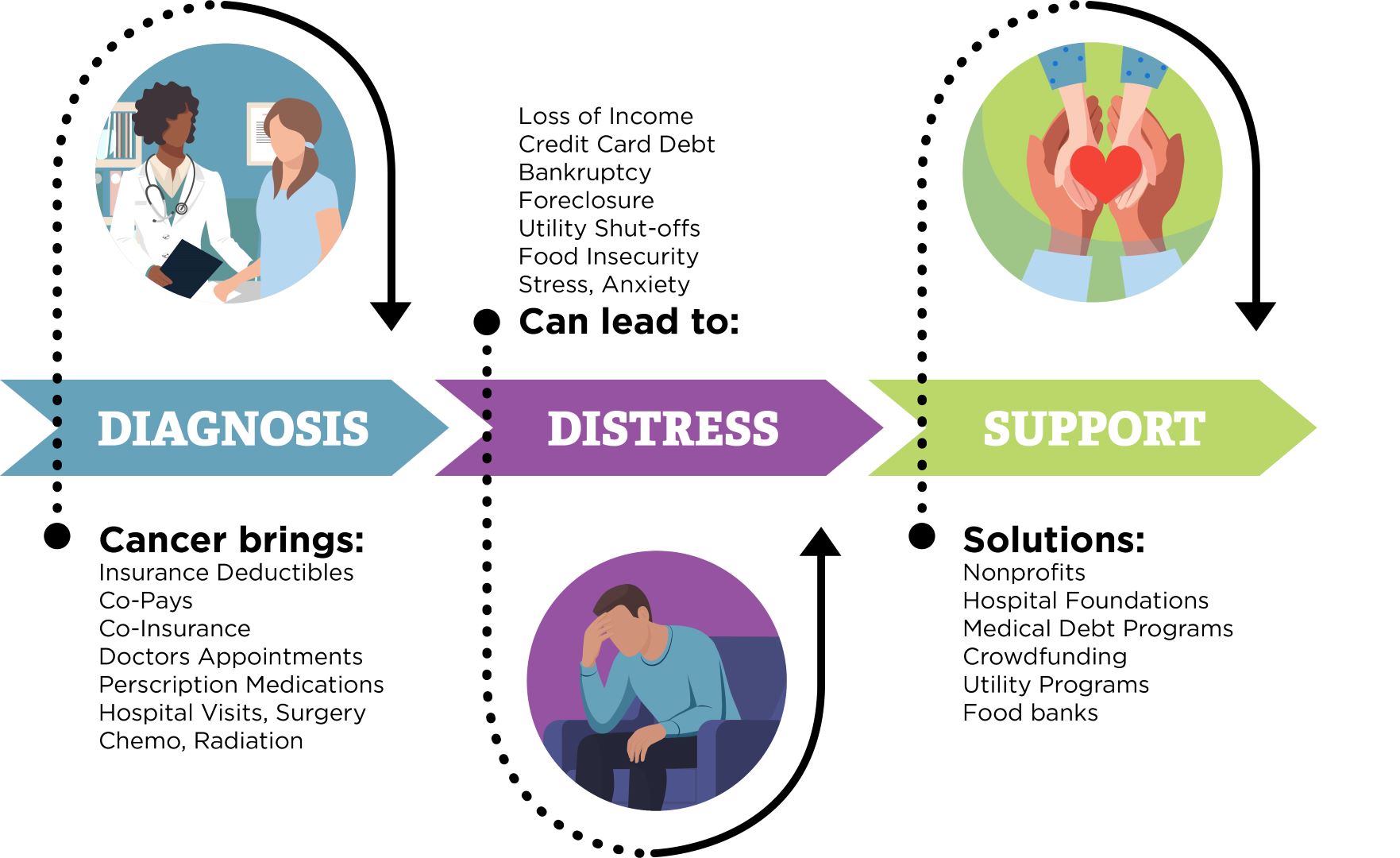
Nonprofits like New Day cannot solve the problem of rising cancer costs, but are well-positioned to take on the immediate financial and emotional crisis of cancer and provide timely solutions for patients.
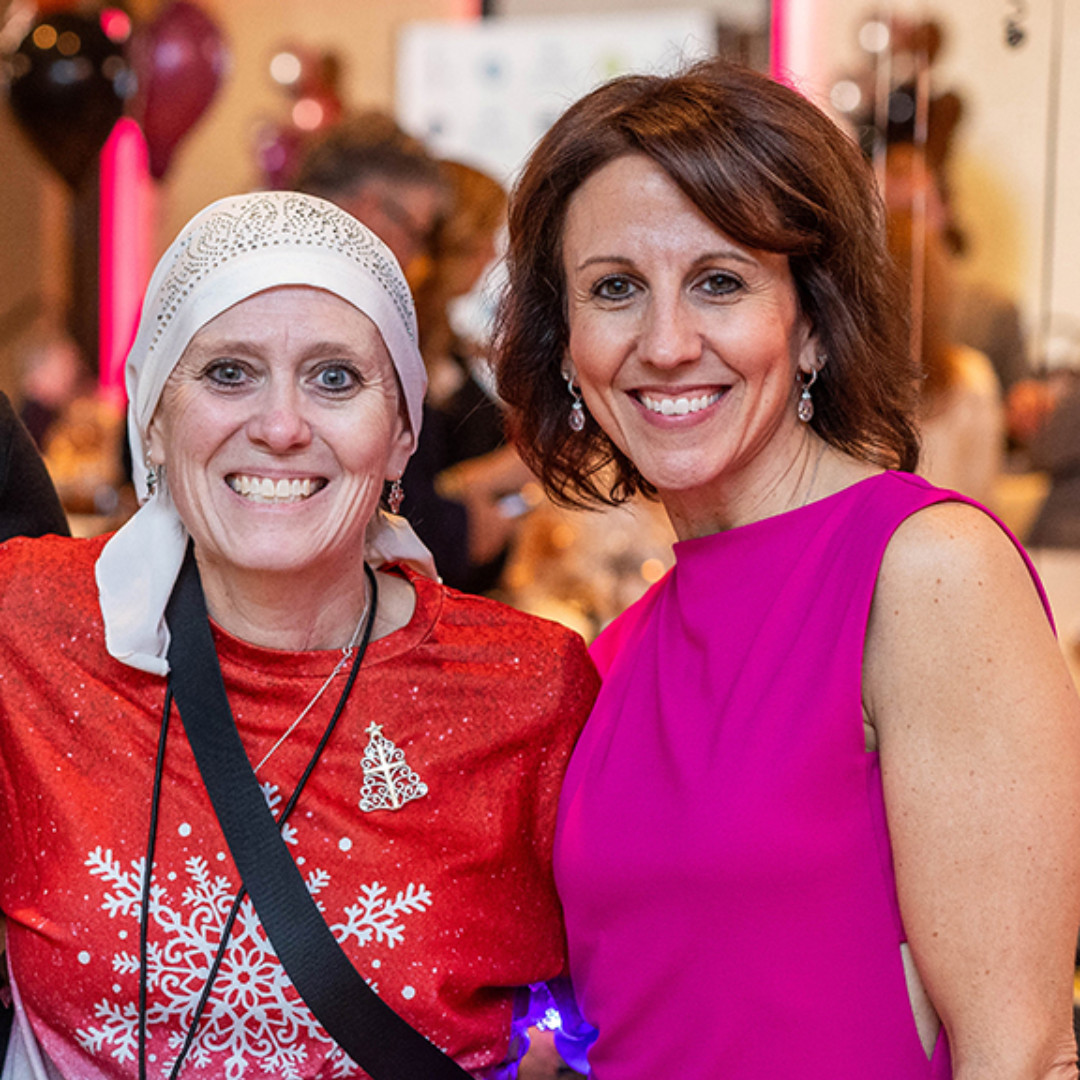
Gina Kell Spehn, co-founder and president of New Day Foundation, joins cancer survivor turned volunteer Misty L.
Avoiding cancer-related financial toxicity through early financial intervention can both improve treatment outcomes and long term stability for cancer patients.
As healthcare costs continue to rise, cancer is increasingly a disease that few can afford. From bankruptcy and foreclosure to simply skipping treatment to save money for household essentials, the devastating toll of cancer on the average family extends further than medical costs. Cancer threatens a family’s financial stability today and well into the future.
There are many dedicated and impactful cancer support organizations working to provide solutions, each playing a valuable role. Some offer financial assistance, others provide emotional care, and a few do both. But even collectively, significant gaps remain in the cancer support landscape, leaving too many families without the comprehensive help they need.
While one nonprofit alone cannot be the solution to the cancer crisis, New Day Foundation for Families model for providing financial and emotional stability to patients and caregivers before they reach critical financial breaking points is key to reducing the long-term financial impact of cancer treatment. Nonprofits like New Day cannot solve the problem of rising cancer costs, but are well-positioned to take on the immediate financial and emotional crisis of cancer and provide timely solutions for patients.
The High Cost of Cancer
“Approximately $183 billion was spent in the U.S. on cancer-related health care in 2015, and this amount is projected to grow to $246 billion by 2030, an increase of 34%.”
These staggering figures represent only what’s visible: the medical bills that appear on hospital statements and insurance claims. The real financial devastation happens in the hidden costs that no insurance plan covers.
Lost wages from countless hours spent in surgery and recovery, treatment chairs, and waiting rooms. Gas money for multiple trips per week to hospitals, often more than an hour from home. Medical costs not covered, like deductibles, co-pays, co-insurance, and prescriptions. Adaptive clothing purchases for treatment ease and wigs after hair loss. Add living expenses like groceries, utilities, and rent that suddenly become impossible to afford.
While the medical system focuses on the $246 billion in treatment costs, families are drowning in expenses and lost income that can have devastating consequences.
Pieces to the Puzzle
There are many cancer support organizations, each playing a valuable role. The standard approach to providing support to cancer patients is designed to increase efficiencies for the organization. The patient applies and if qualified, will receive a flat amount of financial support. Very few work from the New Day model, providing human connection and custom assistance packages based on several criteria. One important factor examines the percentage of income lost, recognizing that middle class families are also impacted by lost wages.
Disease-specific groups focus exclusively on a subset of patients like those with breast cancer. Some organizations only give financial but not emotional support. Others provide emotional support to anyone facing cancer but no financial support.
Hospital systems do offer financial assistance programs, but these programs typically serve only those with the most limited financial resources. Middle-class families who were financially stable before their cancer diagnosis often find themselves in a difficult position, facing overwhelming medical costs, an increase in new expenses, and lost income that threaten their financial security, yet earning too much to qualify for hospital assistance programs and/or social services. Even for those who do qualify, hospital resources are frequently overwhelmed and insufficient to meet the full scope of patient needs, leaving many families to navigate the financial burden of cancer largely on their own.
National organizations provide some support, but their scale can create significant limitations. Families may face lengthy wait times for assistance, specific program requirements that don’t match their specific circumstances, and a lack of deep connections with local healthcare providers who understand their immediate needs.
Organizations like Undue Medical Debt are addressing medical debt accrued by patients who have been through cancer treatment. Unfortunately, the timeframe between the cancer diagnosis and the debt payment leaves room for financial and emotional devastation. Cancer patients can lose everything during treatment, from possessions like their home and car to their livelihoods and ultimately their health.
While hospital foundations, disease-specific nonprofits, national organizations and medical debt relief groups all play an important role in the ecosystem of cancer care, significant gaps remain.
The Final Piece
While there is no simple cure for the high cost of cancer, nonprofits like New Day Foundation for Families must be part of the solution to this crisis. Established relationships with health partners and hospitals, as well as creditors, allow New Day to jump in with personalized help, from prioritizing bills to determining what expenses New Day can cover directly.
The ability to identify families before they reach critical financial breaking points is key to reducing the long-term financial impact of cancer treatment. New Day staff act as first responders - keeping families in their homes, ensuring the lights and heat stay on, and providing groceries during the critical period associated with loss of income during cancer treatment. New Day is increasingly partnering with community foundations, utility companies and other nonprofits to provide additional financial assistance to families facing the high cost of cancer. The more streamlined the process to provide immediate support, the better the outcome for the patient.
Nonprofits like New Day are well-positioned to take on the immediate financial crisis of cancer and provide timely solutions for patients. They are small enough to act quickly and deliver help before a devastating financial crisis creates irreversible damage to a family. With the support of foundations, hospitals, utilities, grocers, donors and more, New Day can take the necessary steps to reduce the financial impact of cancer.
Heather Blasko
New Day Foundation For Families Fighting Cancer
+1 248-648-1105
email us here
Visit us on social media:
LinkedIn
Instagram
Facebook
YouTube
Legal Disclaimer:
EIN Presswire provides this news content "as is" without warranty of any kind. We do not accept any responsibility or liability for the accuracy, content, images, videos, licenses, completeness, legality, or reliability of the information contained in this article. If you have any complaints or copyright issues related to this article, kindly contact the author above.
