
.jpeg)

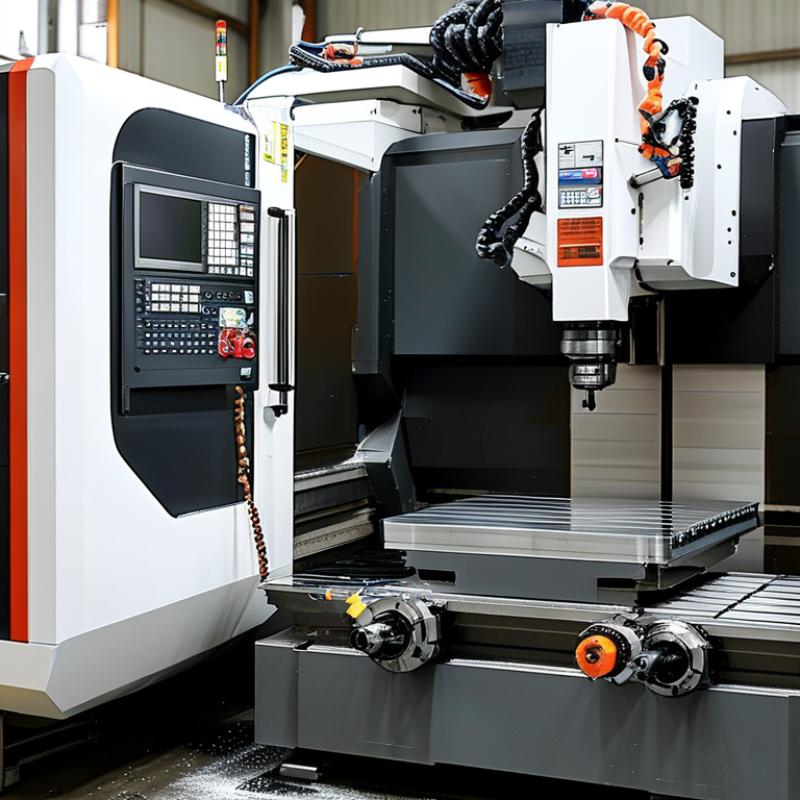
John Smith, a well-known expert in CNC machining, put it plainly: "Choosing the right CNC Horizontal Machining Center can make a big difference in how efficient your production is and the overall quality of your products." His words serve as a reminder that manufacturers really should spend some quality time understanding what they need before making a purchase.
That said, picking out the perfect CNC Horizontal Machining Center isn’t always a walk in the park. Every machine comes with its own set of features—some might be perfect for one job, but not for another. It’s easy to overlook crucial details like spindle speed, how many tools it can handle, or just how much space it takes up. Making a rushed choice could end up costing you down the line—think delays, increased costs, or just plain inefficiency. As the industry keeps moving forward, manufacturers really need to take a step back, think things through, and carefully weigh all their options. After all, a smart choice today can save you a lot of headaches tomorrow.
2026 How to Choose the Best CNC Horizontal Machining Center?
Understanding CNC Horizontal Machining Centers: A Definition
CNC horizontal machining centers are essential tools in modern manufacturing. They allow for high precision and efficiency in tasks such as milling and drilling. These machines operate on a horizontal axis, providing better accessibility to the workpiece. According to a recent industry report, the market for CNC machining centers is projected to grow by 6.5% annually, reflecting their importance in various sectors.
When choosing the right CNC horizontal machining center, consider the machine's specifications carefully. Pay attention to factors like spindle speed, axis movements, and tool capacity. These details can significantly impact production efficiency. Data shows that companies with advanced machining centers report a 20% increase in productivity. This indicates the value of investing in high-quality equipment.
One important reflection is that not all businesses need the most advanced models. Sometimes, a standard machine can meet your needs without overspending. It's essential to balance capability with budget constraints. Also, consider the support services offered by manufacturers, as reliable maintenance can enhance the machine's longevity.
Understanding CNC horizontal machining centers is key to making informed decisions. With the right knowledge, manufacturers can leverage these machines to improve productivity and maintain quality standards.
Understanding CNC Horizontal Machining Centers: A Definition
A CNC horizontal machining center is a computer-controlled machine tool designed to perform various machining operations, including milling, drilling, and boring. When evaluating different models, buyers should consider several important features that influence machining capacity, efficiency, and production flexibility.
Table Size: The table size determines the dimensions of workpieces that the machine can accommodate. This is a high-priority consideration because the table must be large enough to support the intended manufacturing projects. Buyers should evaluate their typical workpiece dimensions before selecting a suitable machine.
Spindle Speed: Spindle speed refers to the rotational speed of the spindle, which directly influences machining efficiency and surface finish. Its importance is generally medium, as the ideal speed depends on the materials being processed and the required machining quality. Buyers should select a spindle speed range that matches their specific production requirements.
Axis Configuration: CNC horizontal machining centers typically feature three-axis to five-axis configurations. This is a high-priority factor because the number of axes determines the machine's ability to handle complex geometries and multiple machining operations. Manufacturers should consider the complexity of their workpieces and production requirements when choosing an appropriate configuration.
Tool Changer: An automatic tool changer allows the machine to switch between different cutting tools without manual intervention, improving production efficiency and reducing downtime. This is an important feature for manufacturers handling diverse machining operations. Buyers should evaluate the tool capacity and ensure it supports their required machining processes.
CNC Control Type: The CNC control system determines how operators program, monitor, and manage machining operations. Its importance is high because an intuitive and reliable interface can simplify operation, reduce training time, and improve production management. Buyers should consider system compatibility, programming functions, and ease of use when evaluating different CNC horizontal machining centers.
Key Features to Consider in CNC Horizontal Machining Centers
When selecting a CNC horizontal machining center, several key features come into play. One of the main aspects is the machine's construction. A solid frame ensures stability during operations, crucial for precision. Look for units with a robust base that absorb vibration. Additionally, check the materials used. High-quality steel often enhances durability and performance.
Next, consider the tool change system. Quick and efficient tool changes reduce downtime. Explore designs that offer automatic tool changers with a variety of tool capacity. This feature significantly increases production efficiency, especially for complex projects involving multiple operations.
Another feature worth examining is the spindle speed. Different tasks require different speeds; a versatile spindle can handle various materials. While many machines boast high speeds, it's the adaptability that really matters. Take time to evaluate the machine's control system; user-friendly interfaces can streamline setup and operation. Remember, sometimes a machine may have impressive specs but may not suit your specific needs. Reflecting on your requirements is essential before making a decision.
Assessing the Precision and Accuracy of CNC Machines
When choosing a CNC horizontal machining center, it's crucial to assess the precision and accuracy of these machines. Precision Cnc Horizontal Machining involves tight tolerances and exceptional repeatability. According to a 2022 report by the International Society for Precision Engineering, machines capable of maintaining tolerances of ±0.001 inches are essential in high-stakes manufacturing sectors like aerospace and medical devices. Machines should undergo rigorous testing to ensure they meet these standards.
Accuracy directly impacts production efficiency and quality. Inconsistencies can lead to waste and costly rework. A survey by the National Tooling and Machining Association found that 30% of manufacturers experienced defects due to machinery inaccuracies. Regular calibration and maintenance are vital for sustaining performance levels.
Investing in advanced technology can enhance reliability. Some latest models come equipped with integrated sensors for real-time monitoring. However, adopting new technology might present a learning curve. Operators must adapt to maintain efficiency. This blend of innovation and training can be a double-edged sword for manufacturers aiming for top-notch precision CNC horizontal machining.
2026 CNC Horizontal Machining Center Precision and Accuracy Assessment
This chart displays the precision and accuracy metrics (in micrometers) of five different CNC horizontal machining centers. These parameters are crucial for assessing their performance and suitability for various machining tasks.
Evaluating the Size and Capacity Requirements for Your Needs
When selecting a CNC horizontal machining center, understanding size and capacity is essential. The capacity of these machines often varies significantly. For example, a 2021 industry report indicated that 35% of manufacturers reported needing machines with a larger work envelope due to increased part size demands. Choosing the right size can improve workflow and efficiency, directly impacting production output.
Consider your projects when evaluating requirements. Assess the dimensions of the parts you typically produce. For High Precision Cnc Horizontal Machining, ensure the machine can accommodate both current and future projects. Using predictive analysis helps determine if future increases in production volume will necessitate upgrading equipment.
It's also important to reflect on operational efficiency. Are you maximizing the use of your current machines? A well-chosen CNC horizontal machining center can reduce cycle times and improve accuracy. On average, machines that meet optimal size specifications can enhance productivity by 15-20%. Don’t overlook the importance of scalability in your operations. Adapting your capacity to industry trends can be vital for long-term competitiveness in the machining sector.
Understanding Tooling Options and Their Impact on Performance
Choosing the right tooling options for a CNC horizontal machining center can significantly influence machining performance. The type of tooling directly affects precision, efficiency, and overall production quality. Various materials are available, such as high-speed steel and carbide. Each has unique characteristics that can enhance or limit your project's success. For difficult-to-machine materials, carbide tooling may offer improved durability and longer tool life.
Consider the impact of tool design as well. Simple fluted designs can be efficient for basic tasks, while complex geometries may be necessary for intricate shapes. The right tool also helps mitigate issues like chatter and vibration. Poor tool choice can lead to part defects or increased cycle times. It's essential to analyze which materials and designs are best for your specific applications without assuming one size fits all.
Balancing cost and performance is another challenge. Some high-performance tools come with a steep price but might offer greater efficiency in the long run. Conversely, low-cost options may lead to increased downtime and scrap rates. Reflecting on these trade-offs is crucial for any machining operation aiming for success. Regularly reviewing and adjusting your tooling choices can lead to significant improvements in your machining outcomes.
Examining Maintenance and Support Services for CNC Machinery
When choosing a CNC horizontal machining center, understanding maintenance and support services is crucial. According to a report by the International CNC Machinery Association, approximately 30% of downtime in manufacturing arises from inadequate maintenance practices. Consequently, effective maintenance protocols can significantly enhance productivity.
Regular maintenance not only extends the machine’s lifespan but also prevents costly breakdowns. Reports indicate that companies investing in proactive maintenance see an average reduction of 25% in operational costs. However, many firms overlook this aspect. They often wait for issues to arise, leading to higher repair expenses and unexpected delays. An ideal maintenance program includes routine inspections, calibration, and necessary upgrades, ensuring optimal machine performance over time.
Support services also play a pivotal role in the CNC ecosystem. Training programs for operators can improve efficiency. A study reveals that well-trained personnel can reduce error rates by up to 40%. Yet, many manufacturers neglect ongoing education for their staff. This lack of investment in human resources can lead to skill gaps. Ultimately, a strong support system paired with diligent maintenance practices fosters a more resilient and productive machining environment.
Cost Comparison: Budgeting for Your CNC Horizontal Machining Center
When budgeting for a CNC horizontal machining center, it's essential to consider various factors. Prices can vary significantly depending on features and capabilities. Look for a balance between cost and performance to meet production needs. Consider initial expenses, maintenance costs, and operational efficiency when evaluating options.
Understand the unique needs of your business. A high-capacity machine may not always be the best choice for smaller operations. Investing in unnecessary features can strain your budget. Conversely, opting for a minimal setup might limit productivity. Take time to analyze your production volume and types of materials you routinely work with. This can help tailor a solution that aligns with your priorities.
Don’t overlook the importance of supplier support. Reliable service options and parts availability can save you from unexpected downtime. Cross-reference quotes from multiple suppliers to ensure competitive pricing. Engaging with professionals who understand the nuances of CNC horizontal machining can also provide insight. Their experience may reveal hidden costs or potential savings, guiding you toward a more informed decision.
Conclusion
Choosing the best CNC Horizontal Machining Center requires a comprehensive understanding of its core principles and features. These centers are defined by their unique design, which allows for efficient machining of complex parts. Key features to consider include precision and accuracy, which are essential for achieving high-quality outputs. Additionally, evaluating the size and capacity is crucial to ensure that the machine meets your specific production needs.
It's also important to explore various tooling options, as they significantly impact the performance of the CNC Horizontal Machining Center. Maintenance and support services play a vital role in the longevity and reliability of the machinery. Finally, budgeting is an essential aspect that demands careful consideration, as it will guide you in selecting a machine that aligns with your financial constraints while meeting your production demands effectively.
Huizhou City Yuan Wenyu Precision Parts Co., Ltd.
Huizhou City Yuan Wenyu Precision Parts Co., Ltd.
+ +86-13928348837
hz-ywy_technology@yuanwenyu.cn
Legal Disclaimer:
EIN Presswire provides this news content "as is" without warranty of any kind. We do not accept any responsibility or liability for the accuracy, content, images, videos, licenses, completeness, legality, or reliability of the information contained in this article. If you have any complaints or copyright issues related to this article, kindly contact the author above.
