
.jpeg)

Fixed HRS: Build Around a Permanent Site and Stable Operating Model
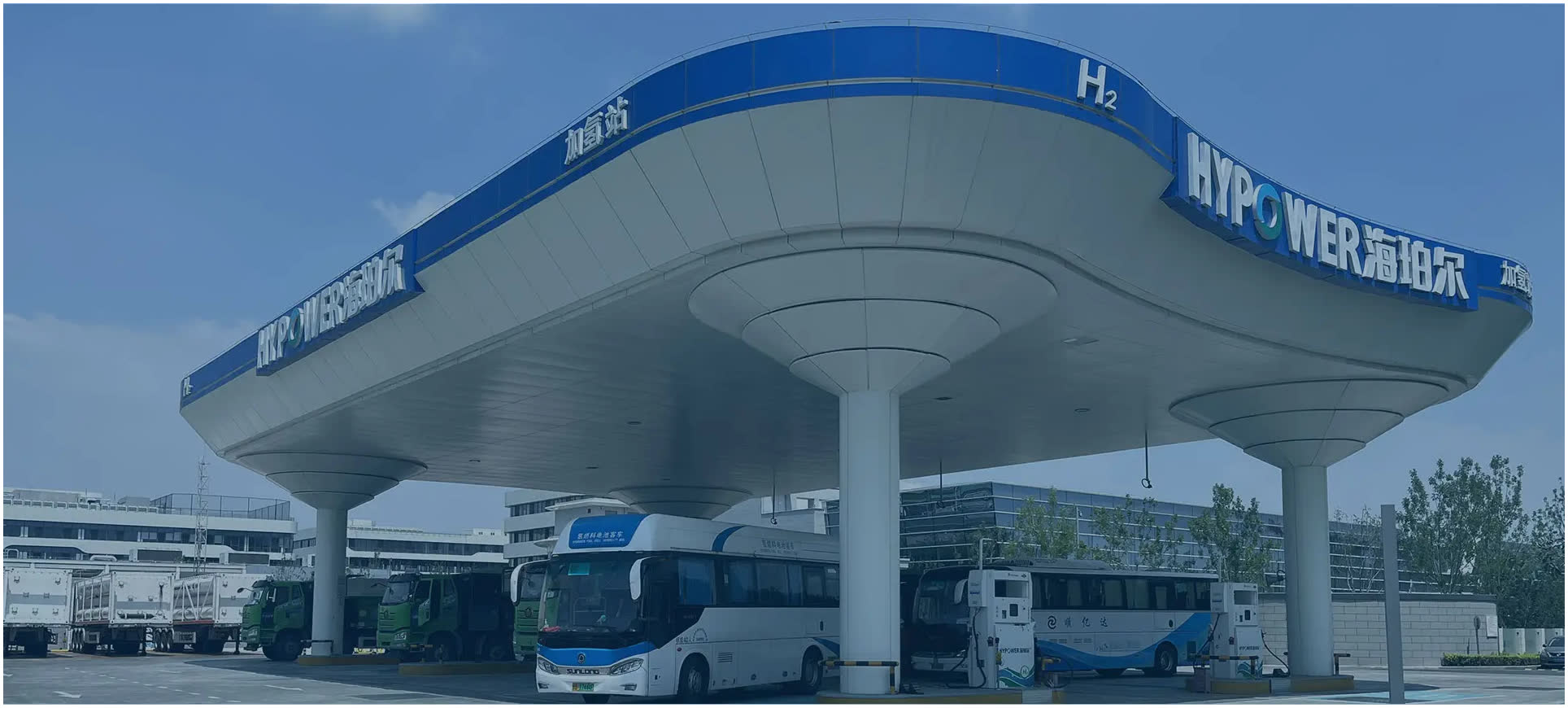
Fixed hydrogen refueling stations are designed for high-capacity commercial hubs serving municipal bus transit systems, heavy-duty logistics fleets and public passenger vehicles. These permanent facilities feature dedicated compressor process rooms, extensive underground piping, multi-bank cascade storage and separate dispensing islands.
Permanent stations offer maximum fueling throughput, high continuous compression capacity and generous buffer storage volumes. Engineering a fixed station requires extensive civil foundation work, comprehensive fire-and-gas zoning and long-term utility planning to accommodate multi-vehicle simultaneous refueling.
Underground piping runs utilize double-walled stainless-steel tubing with continuous annular monitoring to detect trace leakage. Substantial civil blast walls separate compressor process bays from public vehicle lanes, ensuring maximum forecourt safety during continuous high-pressure refueling duty.
Mobile HRS: Prioritize Relocation and Deployment Flexibility
Mobile hydrogen refueling stations package essential compression, storage and dispensing equipment onto specialized semi-trailers or transportable frames. This mobile configuration provides flexibility for municipal vehicle field trials, remote fleet demonstrations and temporary fueling support during permanent station construction.
Mobile refueling units minimize civil site requirements, connecting directly to industrial power supplies and hydrogen tube trailers. Sourcing teams evaluate mobile units for rapid redeployment capability, road-transport regulatory compliance and fast setup times. Quick-disconnect high-pressure hoses, automated grounding verification reels and integrated safety shut-off systems allow operators to establish safe fueling operations within hours of arrival.
While overall storage capacity is constrained by trailer weight limits, mobile stations provide an agile bridgehead for cultivating commercial hydrogen vehicle demand in emerging logistics corridors.
Skid-Mounted and Integrated HRS: Reduce Field Interfaces
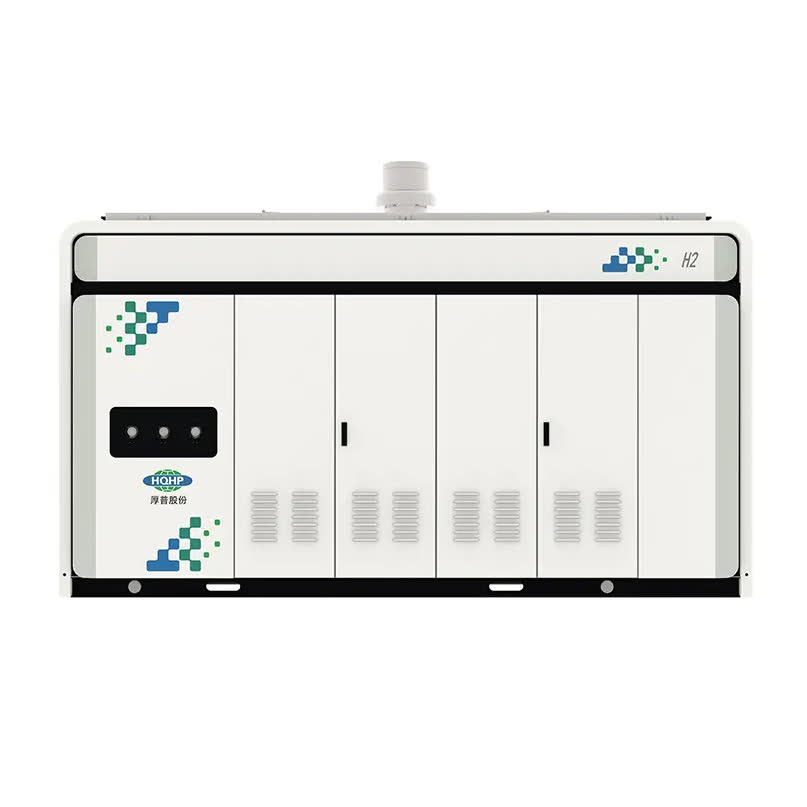
Skid-mounted and containerized hydrogen refueling stations represent an optimal middle ground between permanent civil facilities and mobile trailers. These systems package the hydrogen compressor, cooling unit, priority valving and electronic control cabinets onto rigid structural skids.
Pre-assembling and testing the complete system in the factory substantially reduces on-site welding, civil engineering and field commissioning timelines. Packaged skid systems allow fleet operators to establish permanent fueling capabilities within constrained urban plots or existing commercial gas stations.
Factory-tested containerized shells incorporate acoustic insulation and specialized hazardous-gas ventilation systems. Site installation requires only concrete slab preparation, utility electrical connections and tie-in to hydrogen supply trailers.
The Functional Chain Shared by All Three Formats
Regardless of physical packaging, all hydrogen refueling stations share a core thermodynamic process sequence:
Hydrogen unloading: Receiving tube-trailer supply gas through dedicated unloading manifolds equipped with emergency breakaway connections.
Gas compression: Elevating hydrogen pressure through multi-stage diaphragm or hydraulic piston compressors.
Pre-cooling: Chilling compressed gas to -20°C or -40°C through specialized refrigeration heat exchangers to prevent vehicle tank overheating.
Cascade ground storage: Managing gas distribution across low, medium and high-pressure buffer banks via priority control panels.
Precision dispensing: Delivering measured hydrogen to vehicle onboard storage cylinders via automated 35 MPa or 70 MPa dispensers.
Ensuring that these process stages operate under coordinated electronic control is essential for sustaining consecutive vehicle refueling speeds.
Match Pressure, Capacity and Layout to the Duty
Station sizing must derive from empirical vehicle fleet data. Heavy commercial trucks and urban buses typically utilize 35 MPa storage systems requiring high mass flow rates, whereas passenger cars require 70 MPa dispensing following SAE J2601 fueling protocols.
Sourcing engineers must calculate peak-hour vehicle arrival frequencies, required back-to-back fueling intervals and daily throughput quotas. Matching compressor capacity and cascade buffer volumes to peak duty cycles prevents dispenser throttling and vehicle queuing.
High-throughput transit depots demand high continuous compressor capacity to replenish intermediate cascade storage banks rapidly between vehicle arrivals. Station designers should size compressor throughput to match maximum two-hour arrival peaks rather than average daily volume.
Dual-pressure forecourts feature separate 35 MPa and 70 MPa dispensing hoses supplied by shared compression skids and split cascade cylinder banks, accommodating mixed commercial and passenger fleets efficiently.
Safety and Controls Are Configuration-Independent Requirements
Operational safety dictates engineering choices across every station configuration. Station control architectures integrate continuous combustible gas detectors, ultraviolet flame sensors, thermal monitors and automatic emergency shutdown valves.
Vent stacks must be designed with flame arrestors and anti-hydrogen-accumulation structures to ensure rapid dispersion of vented gas. Programmable logic controllers continuously monitor process pressures, executing automated isolation upon parameter deviation.
Robust digital telemetry provides remote station monitoring, automated alarm notifications and transparent maintenance logging, ensuring safe operations across decentralized fueling networks.
Multi-layered safety interlocks instantly trip compressor motors and isolate cascade cylinders upon detecting seismic tremors, excessive forecourt temperatures or emergency-stop pushbutton activation.
Three Project References, Three Integration Lessons
Portugal
Commercial export milestones confirm the maturity of packaged station layouts. Houpu finalized the overseas delivery of a 35 MPa integrated refueling platform to Portugal in September 2026. The delivered installation merged gas compression, fuel delivery pedestals and automated flame-detection safety loops on a single pre-tested skid frame, proving that modular shop fabrication streamlines European project delivery.
Malaysia
In Malaysia, Houpu delivered a comprehensive skid-type HRS package incorporating compression, cascade storage bundles, dispensers and centralized station control systems, demonstrating international technical compliance and complete project execution.
Spain
Houpu’s supply of advanced hydrogen refueling equipment to European infrastructure projects in Spain reinforces its capability to satisfy strict regional safety, electrical and mechanical engineering standards under demanding commercial operating conditions.
These international references prove that standardized skid packaging and robust pre-commissioning protocols reduce field installation risks across varied regulatory and environmental landscapes.
Choose the Configuration with a Site-Duty Checklist
Selecting the right station format requires evaluating site plot dimensions, daily throughput, fleet vehicle pressure standards and long-term expansion plans.
Permanent high-throughput fleets benefit from fixed installations, while expanding logistics corridors gain immediate operational agility from skid-mounted or mobile refueling assets. Containerized skid systems offer an attractive compromise, combining high daily throughput with rapid installation timelines on leased commercial land.
Consulting an experienced HRS supplier during early project screening ensures that capital investments align with fleet operational needs.
Station Configuration Strategy: Matching HRS Architecture to Site and Fleet Duty
Houpu’s diverse hydrogen refueling station portfolio—spanning fixed, mobile and integrated skid-mounted systems—provides commercial fleet developers with tailored infrastructure solutions. As a trusted HRS supplier backed by 494 patents, 124 software copyrights and proven international projects, Houpu delivers reliable hydrogen mobility hardware. Explore complete station configurations at https://www.hqhp-en.com/.
Houpu
Houpu
Legal Disclaimer:
EIN Presswire provides this news content "as is" without warranty of any kind. We do not accept any responsibility or liability for the accuracy, content, images, videos, licenses, completeness, legality, or reliability of the information contained in this article. If you have any complaints or copyright issues related to this article, kindly contact the author above.
