
.jpeg)


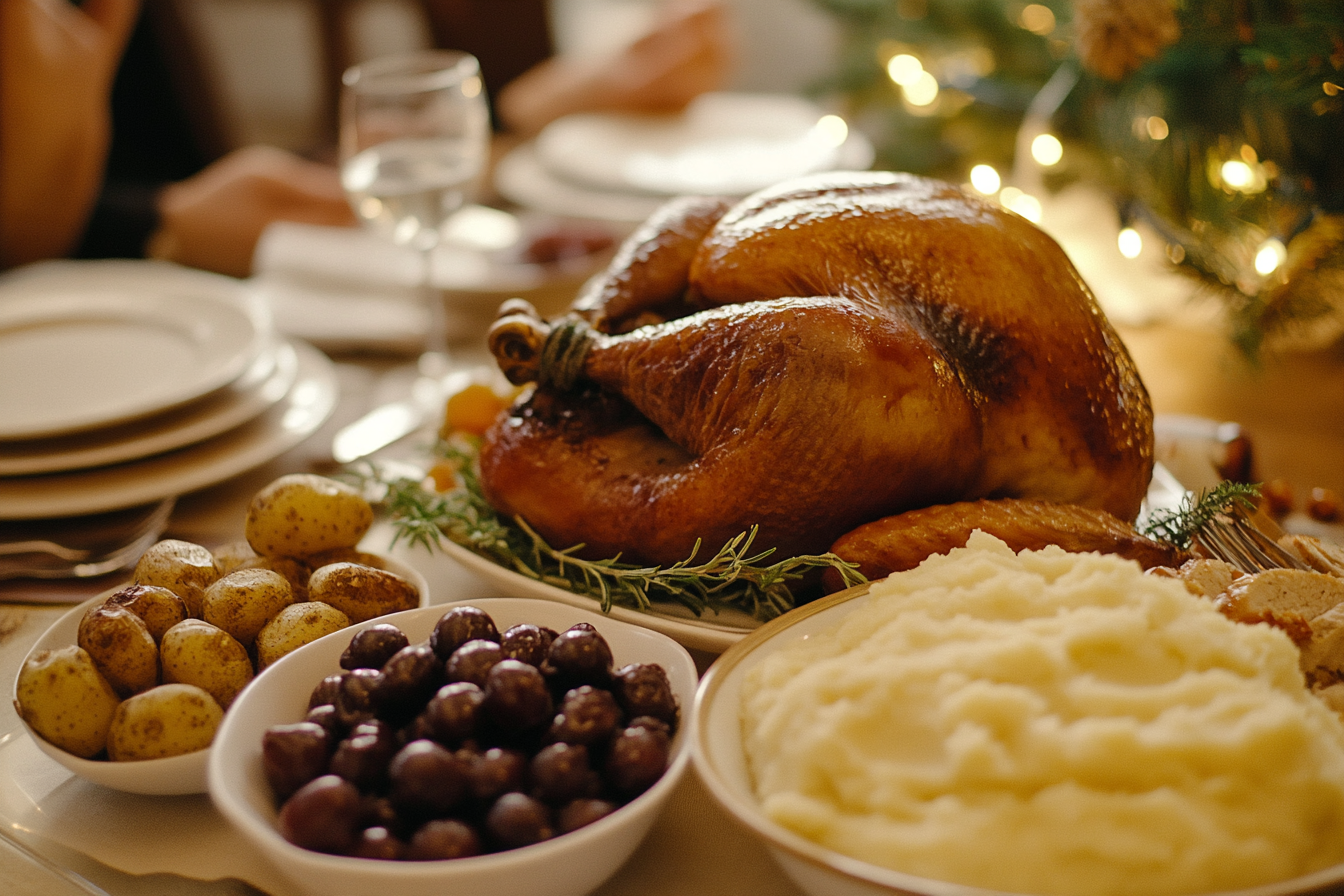
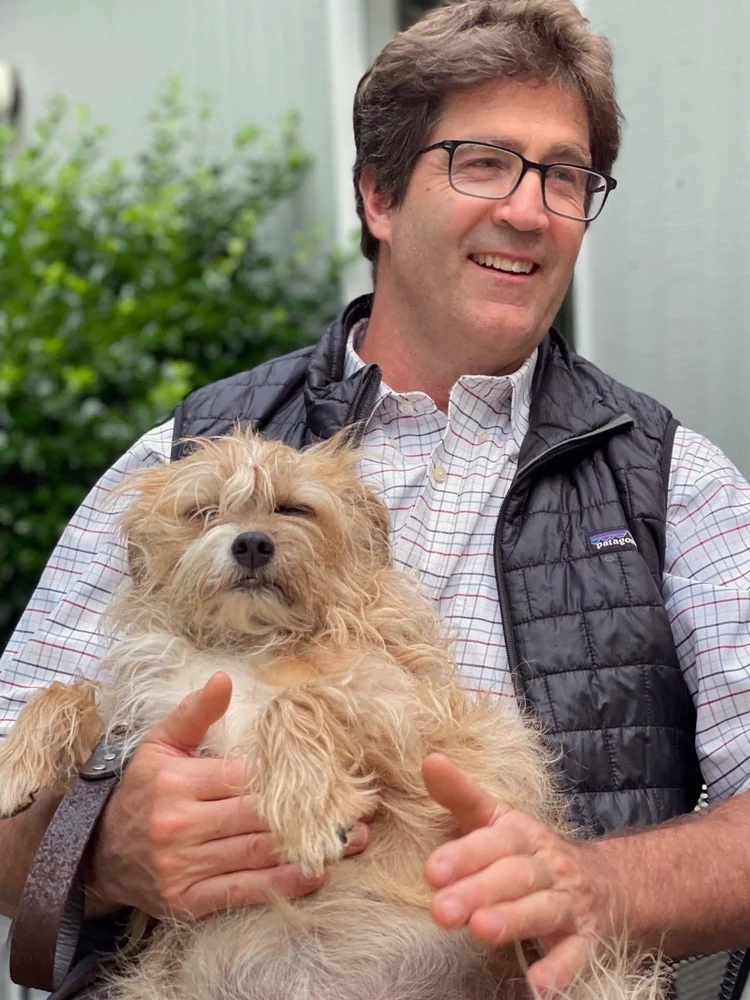
Dr. Jesse Bejar of Wag Veterinary cautions that fatty foods, unattended leftovers, and trash can lead to life-threatening emergencies in dogs and cats.
CHARLOTTESVILLE, VA, UNITED STATES, November 22, 2026 /EINPresswire.com/ -- As families across Central Virginia prepare for Thanksgiving dinners, Christmas gatherings, and other holiday celebrations, a Charlottesville-area veterinarian is reminding pet owners that some of the season's most beloved foods can pose serious health risks to their dogs and cats.
Dr. Jesse Bejar, founder of Wag Veterinary in Ivy, Virginia, warns that rich, fatty foods commonly served during holiday meals can cause severe gastrointestinal problems and potentially trigger pancreatitis, a painful inflammation of the pancreas that may require hospitalization.
While pet owners generally understand that chocolate and certain other foods are dangerous for animals, many don't realize that everyday holiday favorites such as turkey skin, ham trimmings, gravy, butter, and meat drippings can also cause serious illness.
"The holidays bring families together around food, and naturally, our pets want to be part of that excitement," said Dr. Bejar. "But foods that are perfectly normal for people to enjoy can create significant health problems for dogs and cats. It only takes a moment of distraction for a pet to get into something that could make them very sick."
The Hidden Danger of Fatty Holiday Foods
One of the most concerning consequences of eating high-fat holiday foods is pancreatitis, an inflammatory condition affecting the pancreas, an organ responsible for producing digestive enzymes and hormones that regulate blood sugar.
When the pancreas becomes inflamed, digestive enzymes can contribute to tissue damage, resulting in significant pain and illness. Severe cases may require intensive veterinary treatment and can become life-threatening.
Dogs are particularly susceptible to pancreatitis associated with dietary indiscretion, including consuming unusually rich or fatty foods. Cats can also develop pancreatitis, although its causes are often more complex.
According to the American Veterinary Medical Association, fatty table scraps such as gravy, sauces, poultry skin, and meat fat can be difficult for pets to digest, and even relatively small amounts may trigger pancreatitis in susceptible animals.
"People often assume that giving their dog a piece of turkey skin or a little leftover gravy is a harmless holiday treat," Dr. Bejar explained. "The problem is that an animal's digestive system may not tolerate those foods the same way ours does. A seemingly minor indulgence can sometimes lead to vomiting, abdominal pain, dehydration, and a much more serious medical situation."
Pets with a previous history of pancreatitis or other underlying health conditions may be especially vulnerable to complications from dietary changes.
When Holiday Distractions Create Dangerous Opportunities
Dr. Bejar emphasizes that holiday-related food emergencies aren't always caused by owners intentionally feeding their pets table scraps.
In many cases, the problem begins when families become distracted by cooking, entertaining guests, exchanging gifts, or cleaning up after a large meal.
An unattended plate on a coffee table, a roasting pan left within reach, or a trash bag filled with discarded food can quickly attract a curious dog or cat.
Dogs that ordinarily behave well around food may become particularly interested in unfamiliar holiday aromas. Larger gatherings can also create opportunities for well-meaning guests to offer treats without realizing the potential consequences.
"One of the easiest mistakes to make during the holidays is assuming that someone else is keeping an eye on the dog," Dr. Bejar said. "With people moving between the kitchen, dining room, and living room, pets can find opportunities to grab food that would normally be kept out of their reach."
Discarded turkey and chicken carcasses present additional hazards. Cooked poultry bones can splinter, creating choking risks or potentially causing intestinal obstruction or injury. Food-soaked packaging, plastic wrap, and cooking twine can also cause dangerous gastrointestinal blockages if swallowed.
Holiday dishes may contain toxic ingredients, including onions, garlic, grapes, raisins, chocolate, and the sugar substitute xylitol.
Recognizing the Warning Signs of Pancreatitis
Symptoms of pancreatitis and other food-related gastrointestinal illnesses may develop after a pet has consumed an unusually rich meal or gotten into discarded food.
Warning signs can include:
Repeated vomiting or diarrhea
Loss of appetite or refusal to eat
Unusual lethargy or weakness
Abdominal pain, tenderness, or a hunched posture
Restlessness or apparent discomfort
Dehydration or fever
Not every pet will display the same symptoms, and some may initially appear normal after consuming something inappropriate.
Dr. Bejar advises pet owners to contact their veterinarian promptly if they know or suspect their pet has eaten a significant quantity of fatty food, bones, or other potentially dangerous holiday items.
Pets experiencing repeated vomiting, marked lethargy, significant abdominal pain, or other concerning symptoms should receive urgent veterinary evaluation.
"Waiting to see whether a pet gets better on its own isn't always the safest decision," Dr. Bejar said. "If an animal develops persistent vomiting, stops eating, or appears painful after getting into holiday food, it's important to have them evaluated. Early veterinary attention can help identify the problem and prevent complications."
Simple Precautions Can Help Prevent Holiday Emergencies
Fortunately, many food-related holiday emergencies are preventable with a little advance planning.
Dr. Bejar encourages pet owners throughout Charlottesville, Crozet, Ivy, and Albemarle County to establish clear household rules before holiday gatherings begin.
Food should remain on counters and tables that pets cannot access, and serving dishes should never be left unattended around animals known to steal food.
Guests, especially children, should be reminded not to feed pets directly from their plates. Even small portions offered by several different people can add up to an unexpectedly large amount of rich food.
After meals, leftovers should be refrigerated promptly, and food scraps, bones, and packaging should be placed in secure trash containers. Pet owners should pay particular attention to trash bags left on kitchen floors or beside exterior doors while awaiting disposal.
For households with especially food-motivated dogs, keeping pets in a separate, comfortable room during meal preparation and cleanup may provide the safest solution.
Families wishing to include their pets in holiday celebrations can instead offer veterinarian-approved treats or small amounts of plain, fully cooked, unseasoned, boneless, skinless turkey, provided those foods are appropriate for the animal's individual dietary needs.
"Pets don't need to eat what we're eating to feel included in the holidays," Dr. Bejar said. "Their normal food, a favorite toy, or a treat made specifically for them is a much safer way to celebrate together."
What to Do if a Pet Gets Into Holiday Food
If a pet consumes a large amount of fatty food, holiday leftovers, or potentially toxic ingredients, owners should contact their veterinarian or an emergency veterinary hospital for guidance.
Important information to provide includes the pet's approximate weight, what was eaten, how much was consumed, and when the incident occurred.
Owners should not attempt to induce vomiting or administer medications or home remedies unless directed by a veterinary professional.
In cases involving possible poisoning, the ASPCA Animal Poison Control Center can also provide assistance at 888-426-4435.
Dr. Bejar hopes that greater awareness will encourage families to think about pet safety before the holiday rush begins.
"Thanksgiving and Christmas are wonderful opportunities to spend time with family, and our pets are an important part of that," he said. "By keeping rich foods out of reach, paying attention during gatherings, and knowing when to seek veterinary care, families can avoid many preventable emergencies and enjoy a healthier, happier holiday season."
About Wag Veterinary
Wag Veterinary is a locally owned veterinary practice located in Ivy, Virginia, conveniently situated between Charlottesville and Crozet. Founded by Dr. Jesse Bejar, a graduate of Texas A&M Veterinary College, the clinic provides compassionate, individualized medical care for dogs and cats throughout Charlottesville, Albemarle County, and surrounding communities.
With an emphasis on preventive medicine, practical treatment options, and strong relationships between veterinarians and pet owners, Wag Veterinary offers primary care, in-house diagnostic services, dentistry, and surgery. The practice is committed to helping local families make informed decisions about their pets' health and well-being.
For more information about Wag Veterinary or to schedule an appointment, visit https://www.wagveterinary.com/ or call 434-235-5015.
Ryan Forney
Honest Oak SEO
Visit us on social media:
Instagram
Facebook
Legal Disclaimer:
EIN Presswire provides this news content "as is" without warranty of any kind. We do not accept any responsibility or liability for the accuracy, content, images, videos, licenses, completeness, legality, or reliability of the information contained in this article. If you have any complaints or copyright issues related to this article, kindly contact the author above.
