


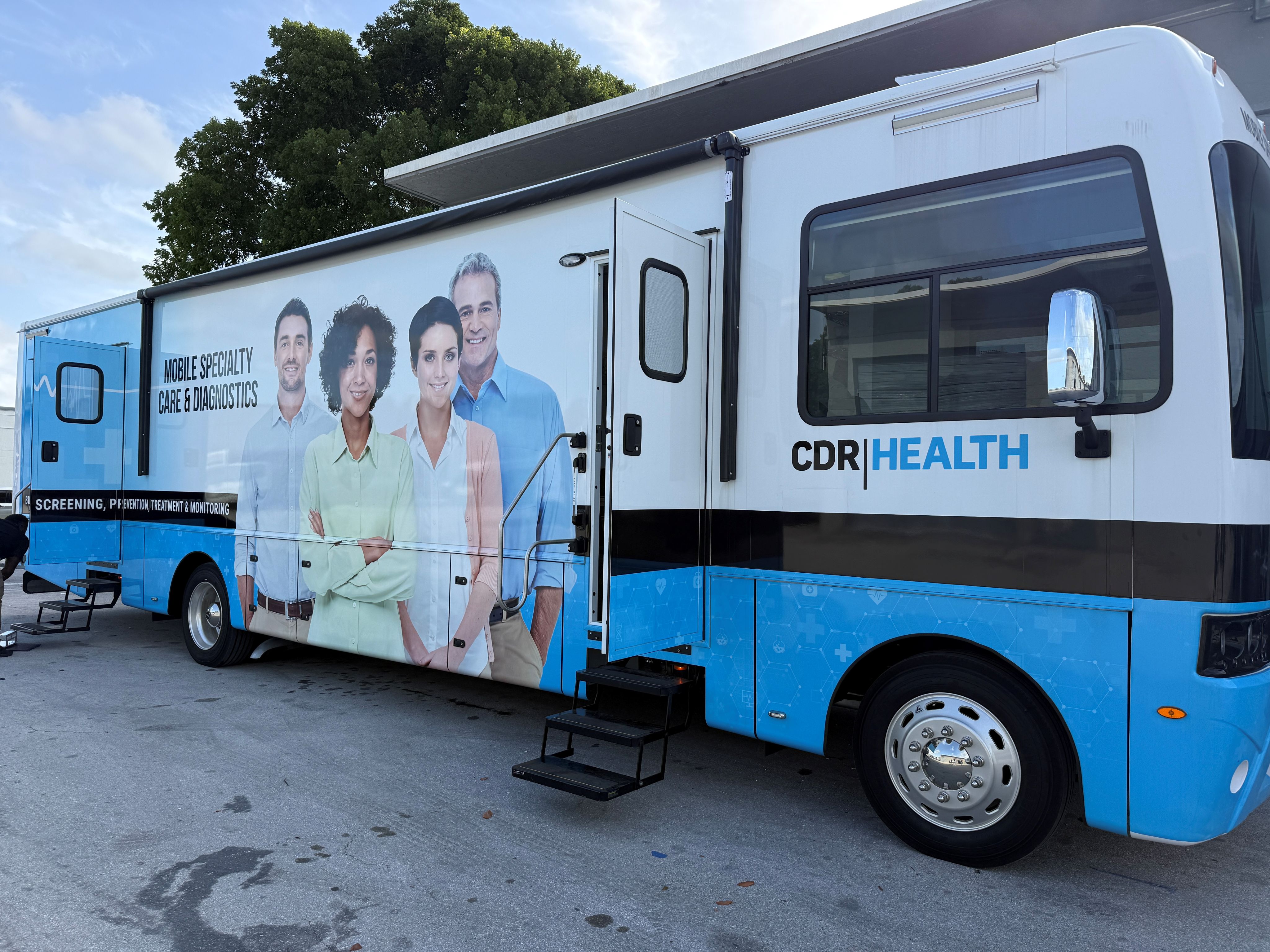
CDR Health Care Mobile Medical Unit
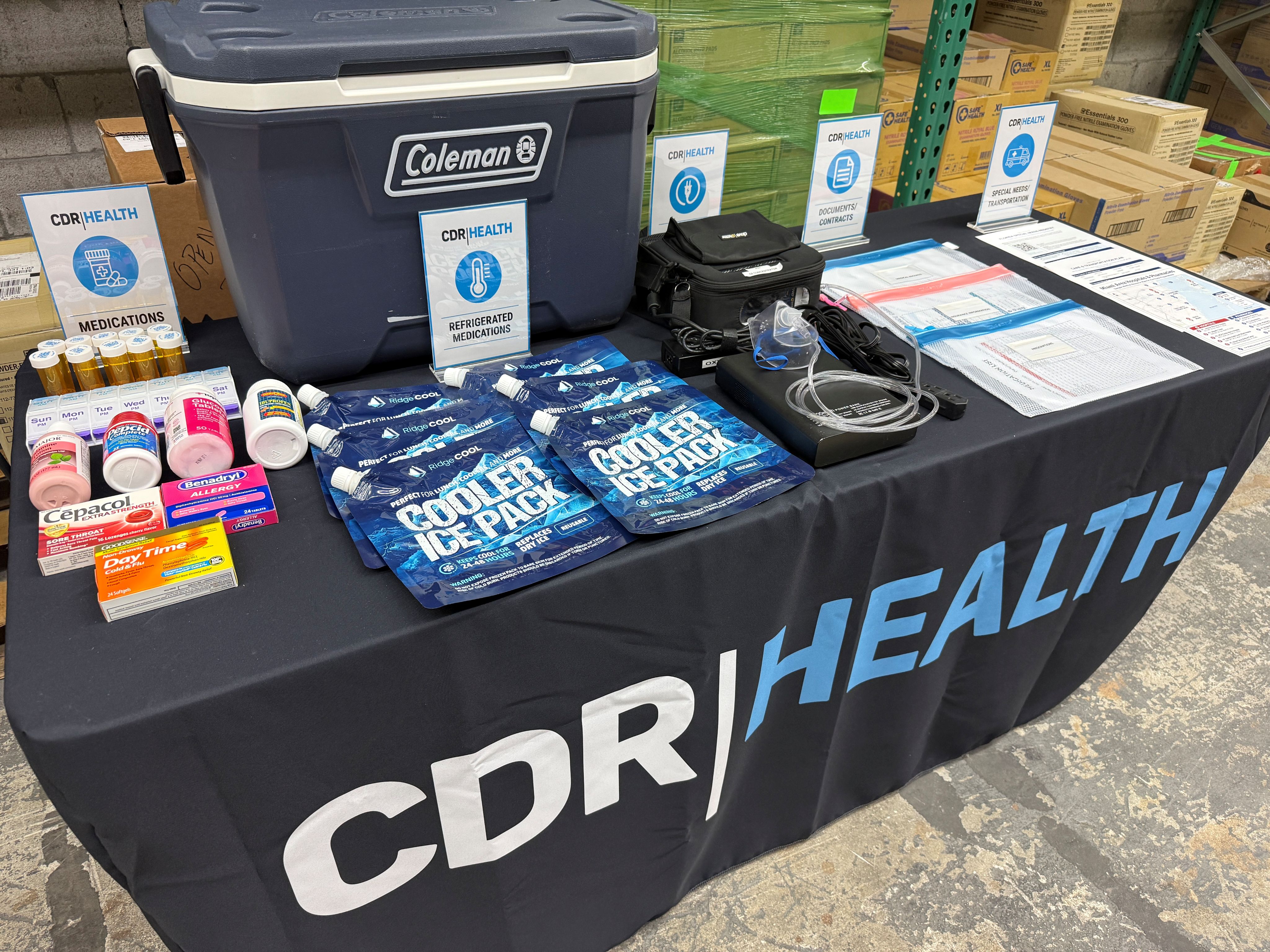
CDR health Care Home Preparedness Display
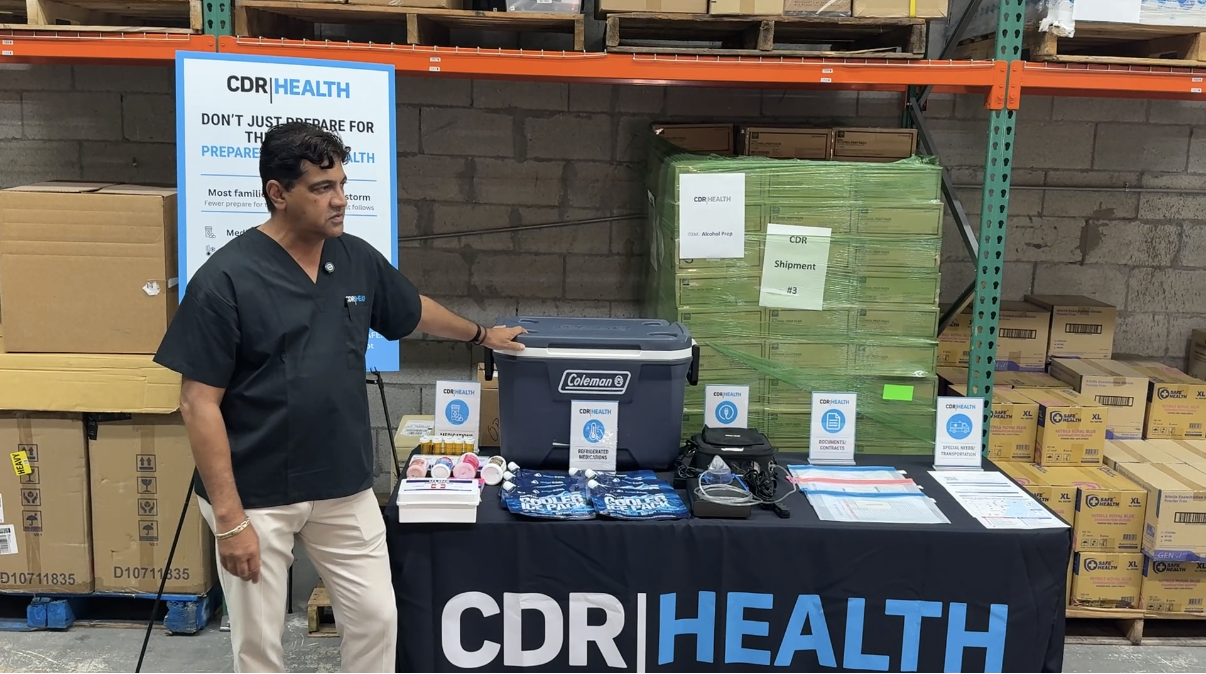
Dr. Narendra Kini, Medical Director for CDR Health Care
Florida families are being urged to add medications, medical devices, transportation and care plans to their hurricane preparations
MIAMI, FL, UNITED STATES, July 14, 2026 /EINPresswire.com/ -- Long before a hurricane threatens Florida, emergency healthcare teams are already preparing for what may happen after landfall.
Inside CDR Health Care’s Miami preparedness warehouse on Tuesday, that work was on display: medical supplies staged for deployment, rapid-response pallets organized for transport, logistics teams reviewing readiness plans and a mobile medical unit prepared to support communities if storms disrupt access to care.
The event, Behind the Scenes of Hurricane Healthcare Preparedness, was designed to show a side of hurricane season most families never see: the healthcare planning that happens before a storm is named.
It also carried a message for Florida residents preparing at home: hurricane readiness should not stop at water, batteries, flashlights, shutters and evacuation routes. For many families, the most serious challenges after a storm may involve prescriptions, refrigerated medications, power-dependent medical devices, chronic conditions, mobility, transportation or access to care.
“The work that protects communities during and after a storm does not begin when a storm is already approaching land,” said Tina Vidal-Duart, Chief Executive Officer of CDR Health Care. “That work begins before a storm is named, before the phones start ringing and before hospitals, clinics and pharmacies are under pressure. This hurricane season, we encourage all Floridians to add healthcare to the same list as bottled water, sandbags and flashlights.”
CDR Health Care has supported state-led emergency healthcare operations following major Florida storms including Hurricane Ian, Hurricane Idalia, Hurricane Debby, Hurricane Helene and Hurricane Milton. Its work has included alternate care sites, low-acuity medical field hospitals, mobile medical missions, special needs shelter support, clinical staffing augmentation and healthcare access support for displaced and medically vulnerable residents.
That experience has shaped the company’s public message this hurricane season: families should prepare for medical disruption before conditions become urgent.
After a storm, healthcare access can change quickly. Roads may be blocked. Pharmacies may be closed. Power may be out. Hospitals may be under pressure. A routine refill, a refrigerated medication, a CPAP machine, a mobility issue or a chronic condition can become a serious concern if families do not have a plan.
The mobile medical unit displayed Tuesday was one example of how CDR Health Care prepares to support healthcare access when normal systems are strained. The units are staffed by trained medical personnel and can support basic and urgent medical needs after a storm, including treatment for cuts, burns and minor injuries, as well as diagnostic services such as X-rays, ultrasound and other on-site evaluations.
“Readiness before the storm creates speed after the storm,” said Danny Duart, Director of Logistics for CDR Health Care. “For us, hurricane readiness comes down to three things: supplies, assets and people. CDR Health Care maintains preparedness warehouses across Florida and a fleet of mobile medical units that can be deployed when communities need healthcare support.”
The event also included a family medical hurricane preparedness display, showing how residents can organize prescriptions, medical documents, refrigerated medication plans, backup power options and transportation information before a storm threatens.
For physicians, that planning can be just as important as other emergency supplies.
“The wind may stop and the water may subside, but the medical challenges may just be beginning,” said Dr. Narendra Kini, Medical Director for CDR Health Care. “Families should not be answering medical questions for the first time during an emergency. Preparedness means knowing what someone needs, where it is and who can help.”
CDR Health Care is encouraging families to focus on three steps.
First, make a medication plan. Families should know what medications are needed, how much is available, how they should be stored and who to call for refills.
Second, make a power and refrigeration plan. Anyone relying on refrigerated medications or power-dependent medical devices should speak with a doctor, pharmacist or healthcare provider before a storm threatens.
Third, make a care plan. Families should know who is checking on seniors, who can help with transportation and where important medical documents are stored.
For CDR Health Care, the larger takeaway is simple: a hurricane kit is not complete if it does not account for medical needs.
Jay Bennett
CDR Health Care
email us here
Legal Disclaimer:
EIN Presswire provides this news content "as is" without warranty of any kind. We do not accept any responsibility or liability for the accuracy, content, images, videos, licenses, completeness, legality, or reliability of the information contained in this article. If you have any complaints or copyright issues related to this article, kindly contact the author above.
