
.jpeg)

Accessibility involves more than selecting a vehicle with the appropriate equipment”
NEW ORLEANS, LA, UNITED STATES, September 25, 2026 /EINPresswire.com/ -- Group transportation planning often involves coordinating passenger counts, pickup locations, schedules, routes, luggage, and arrival times. Accessibility adds another important consideration: making certain that transportation arrangements account for passengers with mobility-related needs as part of the overall plan rather than as a separate issue addressed at the last minute.— Milton Walker Jr.
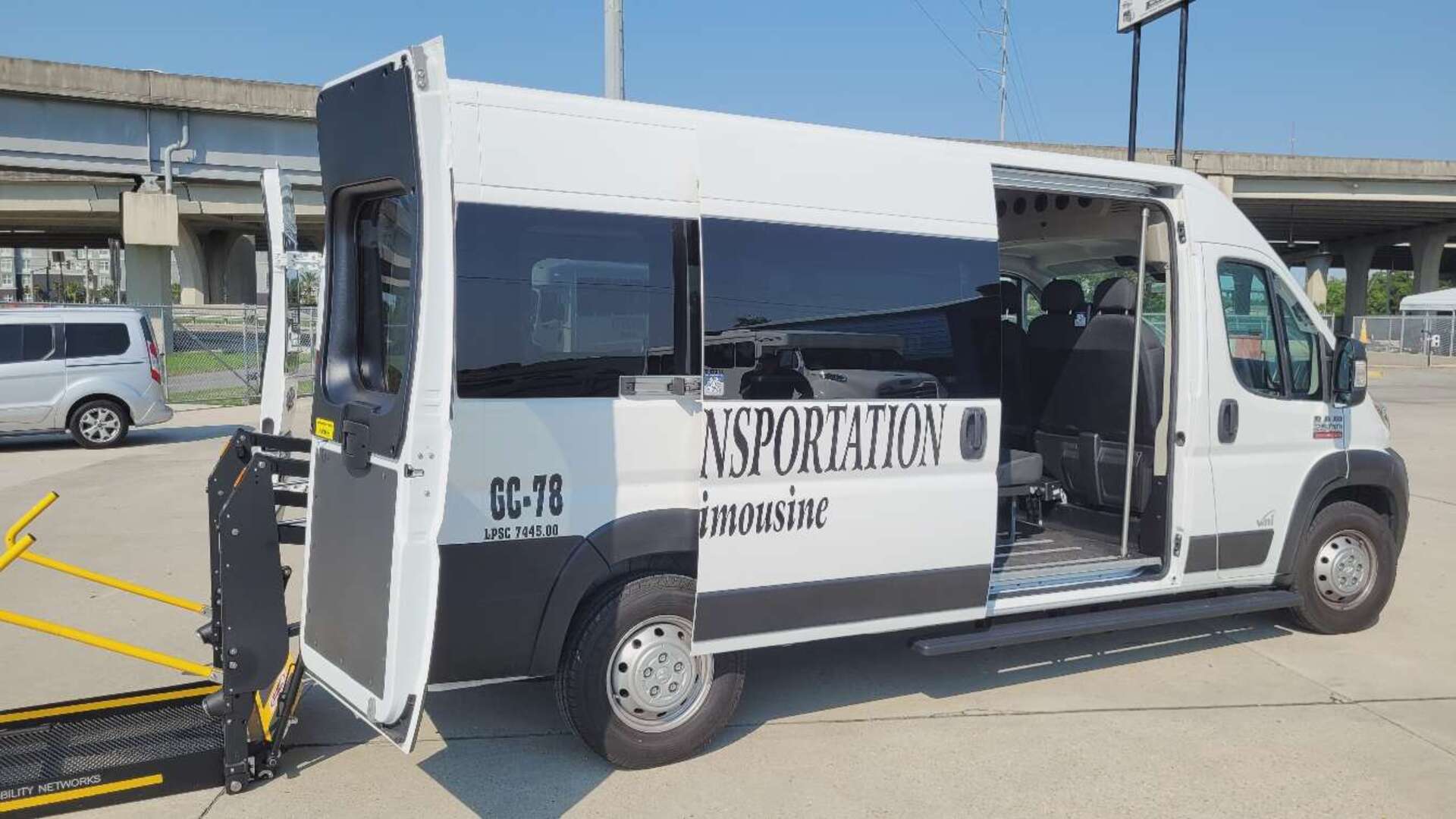
Alert Transportation, serving the Greater New Orleans Area, is providing information about the role accessible transportation can play when coordinating transportation for conventions, weddings, corporate gatherings, cruise groups, family events, airport transfers, tours, and other activities involving multiple passengers.
Accessible transportation planning can involve wheelchair accommodations, mobility devices, boarding requirements, additional loading time, vehicle selection, pickup locations, and communication between transportation coordinators and passengers.
“Accessible transportation works most effectively when accessibility is considered from the beginning of the planning process,” said Milton Walker Jr., owner of Alert Transportation, who takes pride in providing top-quality transportation services in the Greater New Orleans Area. “Passenger needs, vehicle requirements, loading locations, timing, and the overall transportation schedule all connect. Early planning helps those pieces fit into the larger transportation plan.”
Accessibility Begins With Understanding the Passenger Group
A group of 50 passengers cannot always be treated simply as 50 seats.
Individual transportation requirements can vary considerably.
Some passengers may use wheelchairs or scooters. Others may use walkers, canes, or other mobility devices. Certain passengers may have difficulty climbing steps or walking long distances between a vehicle and an entrance.
Transportation planning therefore begins with understanding the composition of the group.
Identifying accessibility requirements early allows appropriate vehicle arrangements and schedules to be incorporated into the transportation plan.
Waiting until vehicles arrive at the pickup location can create delays if equipment, boarding requirements, or vehicle configurations do not match passenger needs.
Vehicle Selection Is Part of the Planning Process
Different vehicles have different passenger capacities and accessibility features.
A transportation plan may involve several types of vehicles rather than a single vehicle configuration for every passenger.
Wheelchair lifts, ramps, securement areas, entry heights, aisle dimensions, and available storage for mobility devices can affect vehicle selection.
Passenger capacity can also change depending on vehicle configuration. Space occupied by a wheelchair securement area, for example, may affect the number of conventional passenger seats available.
Accurate passenger information helps transportation coordinators determine how the group can be distributed among available vehicles.
Loading Time Can Affect the Entire Schedule
Boarding a large group already takes time.
Accessible boarding can require additional time depending on passenger needs, vehicle configuration, and the number of mobility devices involved.
That additional time should be included in the transportation schedule rather than treated as an unexpected delay.
A five-minute difference at one pickup location can affect later departures, venue arrival times, reservations, flight schedules, cruise embarkation, and other time-sensitive activities.
For larger events involving several vehicles, those small timing differences can multiply.
Building realistic loading and unloading periods into the schedule helps keep transportation movements coordinated.
Pickup Locations Need to Be Accessible Too
An accessible vehicle does not automatically create an accessible transportation experience.
The pickup and drop-off locations also matter.
Curbs, stairs, uneven surfaces, narrow loading zones, heavy pedestrian traffic, construction, limited parking areas, and long distances between the vehicle and building entrance can create additional challenges.
New Orleans presents particular considerations because many areas contain historic streets, narrow roadways, busy hotel entrances, convention activity, entertainment districts, and locations where large vehicles have limited loading space.
The transportation plan should consider the entire path between the passenger and the destination, not simply the vehicle ride.
Group Transportation Often Involves Multiple Stops
Large transportation plans may include hotels, airports, restaurants, event venues, cruise terminals, convention facilities, and entertainment destinations.
Accessibility requirements can affect how those stops are organized.
A loading area suitable at one location may not be practical at another. Some venues may have designated accessible entrances or loading areas located away from the primary entrance.
Route planning may therefore require coordination with venue personnel or event organizers.
“Accessibility involves more than selecting a vehicle with the appropriate equipment,” Walker said. “The pickup point, destination, loading area, schedule, and route all have to work together. Transportation planning becomes much easier when those details are identified before the day of the event.”
Mobility Devices Require Space and Coordination
Wheelchairs, scooters, walkers, and other mobility devices vary in size and weight.
Some passengers remain in a wheelchair during transportation, while others transfer to a vehicle seat and store the mobility device.
Those differences can affect vehicle capacity and storage requirements.
Larger groups may also travel with luggage, event materials, medical equipment, or personal belongings, creating additional space considerations.
Transportation planning should account for both passengers and accompanying equipment rather than calculating capacity solely according to the number of people traveling.
Communication Helps Prevent Last-Minute Problems
Clear information between event organizers, passengers, venues, and transportation providers can reduce confusion.
Important details may include the number of passengers requiring accessible transportation, types of mobility devices, pickup addresses, accessible entrances, requested arrival times, and any known loading restrictions.
Changes should also be communicated when possible.
A passenger list can change. A venue may alter an entrance. Construction may affect a loading zone. An event schedule may shift.
Transportation plans need enough flexibility to account for those changes while maintaining coordination across the larger group.
Accessibility Should Not Be an Afterthought
Accessible transportation is sometimes treated as a separate transportation problem to solve after the primary group schedule has already been created.
That approach can create unnecessary complications.
Accessibility works more naturally when incorporated into the same planning process used for passenger counts, routes, vehicle assignments, luggage, departure times, and destinations.
The objective is not to create two transportation plans.
The objective is to create one transportation plan that accounts for the needs of the entire group.
For conventions, weddings, corporate events, airport movements, cruise groups, tours, and other large gatherings, early accessibility planning can help coordinate vehicles, schedules, loading locations, and passenger requirements before transportation begins.
A successful group transportation plan accounts for more than how many people need a ride.
It accounts for how every passenger can make the trip.
Morgan Thomas
Rhino Digital, LLC
+1 504-875-5036
email us here
Visit us on social media:
Facebook
Legal Disclaimer:
EIN Presswire provides this news content "as is" without warranty of any kind. We do not accept any responsibility or liability for the accuracy, content, images, videos, licenses, completeness, legality, or reliability of the information contained in this article. If you have any complaints or copyright issues related to this article, kindly contact the author above.
