


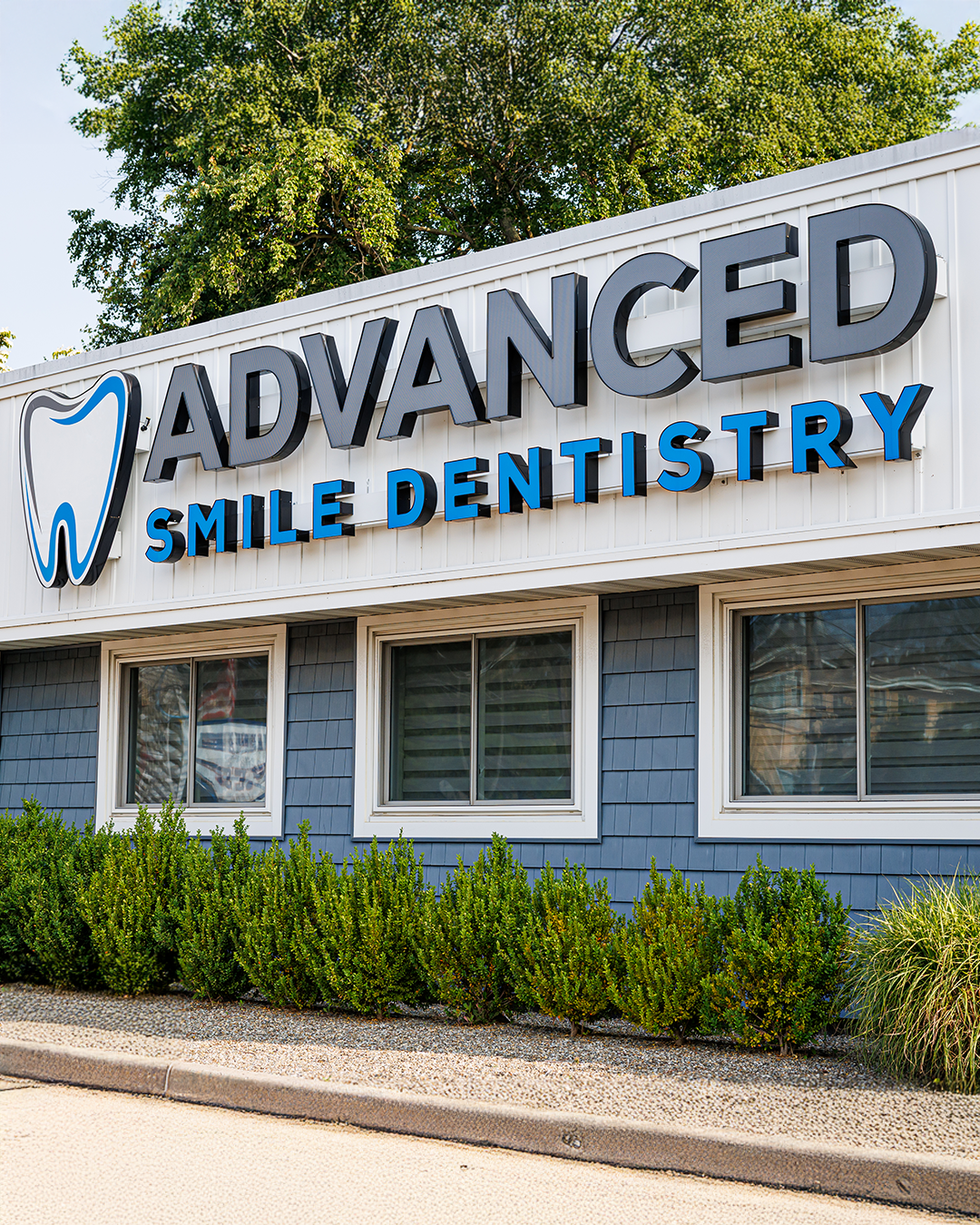
Advanced Smile Dentistry
Advance Smile Dentistry Toms River Billboard
Advanced Smile Dentistry Billboard
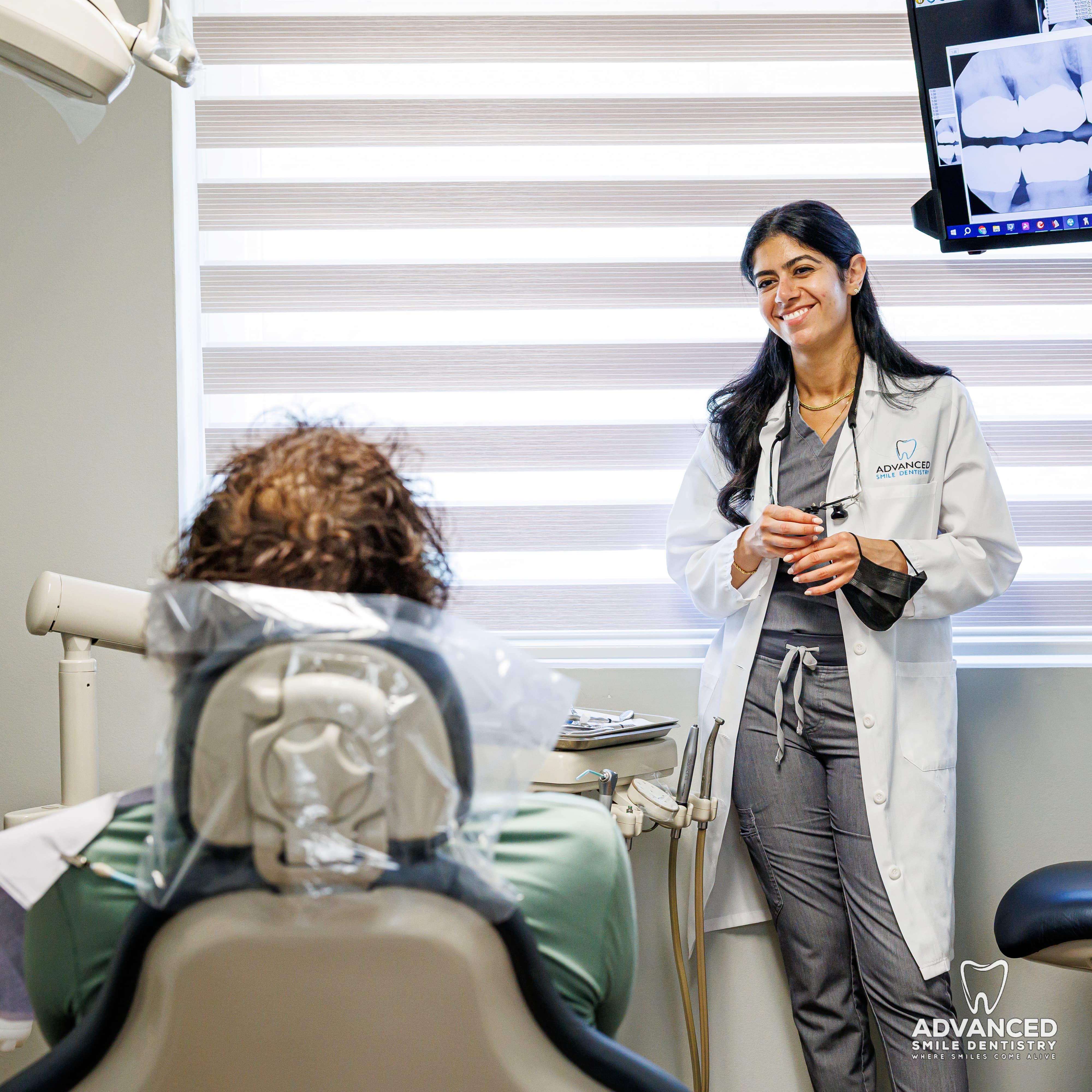
Advanced Smile Dentistry High-Level Customer Service

Dr. David Basar - Advance Smile Dentistry
Advanced Smile Dentistry explains dental implant healing stages, osseointegration, recovery milestones, and factors influencing long-term implant success.
TOMS RIVER, NJ, UNITED STATES, July 17, 2026 /EINPresswire.com/ -- Advanced Smile Dentistry is helping patients better understand the healing process after dental implant surgery by explaining why recovery occurs in stages, what influences healing, and what patients can expect before receiving their final restoration.
Although many patients begin feeling better within the first several days after dental implant surgery, complete healing continues well beyond the initial recovery period. While swelling and tenderness typically improve first, the dental implant continues integrating with the jawbone over time through a natural biological process that supports long-term stability.
Why Does Healing After Dental Implant Surgery Take Time?
Healing after dental implant surgery occurs in stages because the gums, jawbone, and titanium dental implant each recover or integrate at different rates. As a result, patients may notice that discomfort improves long before healing is fully complete.
The gums begin repairing themselves shortly after surgery, while the jawbone requires additional time to bond with the dental implant through a process called osseointegration. This gradual healing process creates the stable foundation needed to support long-term implant function.
Understanding these stages helps patients know what to expect throughout recovery and why regular follow-up visits remain an important part of successful dental implant treatment.
* Stage One: Initial Recovery
The first stage of healing typically involves mild swelling, tenderness, and minor bleeding as the surgical site begins to recover. These symptoms generally improve during the first several days following dental implant surgery.
Patients receive individualized post-operative instructions that may include recommendations for oral hygiene, dietary modifications, physical activity, and follow-up care. Following these instructions helps protect the surgical site and supports healthy early healing.
* Stage Two: Soft Tissue Healing
As healing continues, the gums gradually close and form healthy tissue around the dental implant. This soft tissue creates a protective seal that helps support long-term implant health.
Although the gums may appear healed within the first few weeks, healing beneath the surface continues. Feeling better does not necessarily mean the implant has fully healed.
* Stage Three: Osseointegration
Osseointegration is the most important stage of dental implant healing because it determines whether the implant becomes a stable, long-term replacement for the missing tooth root.
During this stage, the titanium dental implant gradually bonds with the surrounding jawbone through a natural biological process. Successful osseointegration provides the stable foundation needed to support a dental crown, bridge, implant-supported denture, or full-mouth dental implant restoration.
The length of this healing phase varies depending on factors such as bone quality, overall oral health, and the complexity of treatment. Because every patient heals differently, recovery timelines are individualized.
* Stage Four: Final Restoration
The final restoration is placed only after the dental implant has successfully integrated with the jawbone.
Depending on the patient's treatment plan, the final restoration may include a custom dental crown, bridge, implant-supported denture, or full-mouth dental implant restoration.
Waiting until healing is complete helps provide long-term stability, function, and support for the final restoration, which is why permanent teeth are not typically placed immediately after implant surgery.
What Can Affect Dental Implant Healing?
Dental implant healing varies from patient to patient. Several factors may influence how quickly and successfully recovery progresses, including:
- Overall oral health
- Bone quality and bone volume
- Smoking or tobacco use
- Certain medical conditions
- Daily oral hygiene habits
- Following post-operative instructions
Every treatment plan and healing timeline is personalized according to each patient's individual clinical needs.
How Long Does Dental Implant Healing Take?
Initial recovery after dental implant surgery typically occurs during the first several days to weeks, while complete healing continues over several months as osseointegration occurs.
Although patients often resume normal daily activities relatively quickly, complete healing depends on the implant successfully bonding with the jawbone. Recovery timelines vary based on the treatment performed, the patient's overall health, and individual healing response.
"One of the biggest misconceptions about dental implant recovery is that healing ends when the discomfort disappears," said Dr. David Basar, DDS, Founder and Lead Dentist at Advanced Smile Dentistry. "In reality, the most important stage of healing happens beneath the gums as the implant gradually bonds with the jawbone. Understanding this process helps patients know what to expect throughout recovery and why patience plays an important role in long-term treatment success."
Why Are Follow-Up Visits Important?
Follow-up appointments allow the dental team to monitor healing, evaluate osseointegration, answer patient questions, and determine when the implant is ready for the final restoration.
Regular evaluations help confirm that healing is progressing as expected and allow treatment recommendations to be adjusted when necessary throughout the recovery process.
When Should Patients Contact Their Dentist?
Mild swelling, tenderness, and temporary discomfort are expected during the early stages of recovery. However, patients should contact their dental provider if swelling or discomfort worsen rather than improve, if bleeding persists, or if they develop symptoms that may indicate a complication.
Prompt communication with the dental team allows concerns to be evaluated and helps support a healthy recovery.
Supporting a Successful Recovery
Patient education remains an important part of successful dental implant treatment. Advanced Smile Dentistry helps patients understand every stage of healing through personalized consultations, digital diagnostics, individualized treatment planning, and ongoing follow-up care.
By helping patients understand how recovery progresses, the practice supports informed treatment decisions and realistic expectations throughout the dental implant journey.
About Advanced Smile Dentistry
Advanced Smile Dentistry is a dental implant practice based in Toms River, New Jersey, led by Dr. David Basar. The practice focuses on full-mouth dental implants, full-arch dental implants, implant-supported dentures, dental implant surgery, and advanced restorative dentistry. Advanced Smile Dentistry utilizes digital diagnostics, 3D imaging, and personalized treatment planning to support predictable treatment outcomes and long-term oral function. The practice is known for helping patients with extensive tooth loss, failing teeth, and complex restorative needs through comprehensive implant-based solutions and patient-centered care.
Dr. David Basar
Advanced Smile Dentistry
+1 732-561-1770
office@advanceddentalsmile.com
Visit us on social media:
Instagram
Facebook
YouTube
Other
Legal Disclaimer:
EIN Presswire provides this news content "as is" without warranty of any kind. We do not accept any responsibility or liability for the accuracy, content, images, videos, licenses, completeness, legality, or reliability of the information contained in this article. If you have any complaints or copyright issues related to this article, kindly contact the author above.
