



armed guard. (2)

armed guards..
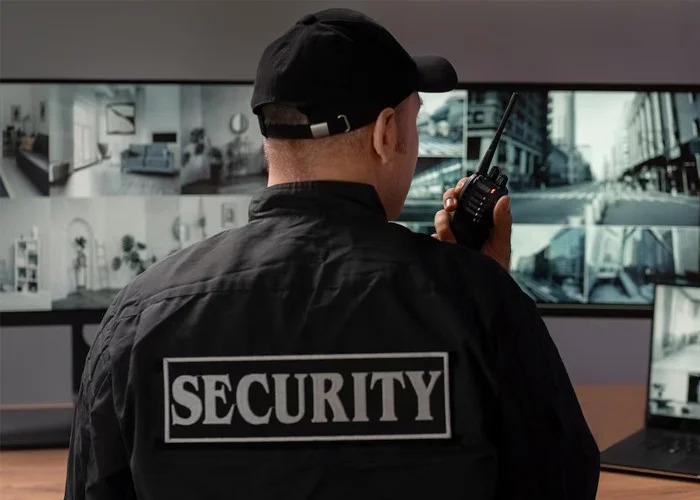
security services..

high-quality-security.

security-guard-Orange-County-CA
Expanding security responsibilities across Orange County reflect a proactive approach to protecting businesses, communities, and public spaces.
ORANGE COUNTY, CA, UNITED STATES, June 22, 2026 /EINPresswire.com/ -- A review of current field operations within Orange County’s private security infrastructure highlights the evolving role of professional security personnel in maintaining public safety, supporting businesses, and assisting residential communities. As population density, commercial activity, and public events continue to increase across the region, the responsibilities assigned to private security teams have expanded beyond traditional guarding duties. Today, security personnel are often integrated into broader safety frameworks that emphasize prevention, observation, and timely response.The analysis focuses on operational practices related to security service deployment, the use of guard personnel, and the growing demand for security guards in Orange County. Deployment strategies are typically based on site-specific risk assessments, which consider factors such as location type, hours of operation, visitor volume, and prior incident patterns. These assessments guide decisions on staffing levels, patrol frequency, and whether static or mobile coverage is more appropriate for a given environment.
Guard personnel are generally responsible for a range of tasks that include monitoring access points, conducting routine patrols, documenting incidents, and communicating with property managers or local authorities when necessary. In many cases, their presence serves as a visible deterrent to unauthorized activities while also providing reassurance to employees, residents, and visitors. The emphasis on detailed reporting and adherence to established procedures reflects an industry-wide focus on accountability and consistency.
The growing demand for security guards in Orange County can be attributed to several factors, including increased awareness of safety risks, regulatory requirements in certain industries, and the need for continuous monitoring in both public-facing and private spaces. This demand has led to a more structured approach to scheduling, training, and supervision, with organizations placing importance on maintaining operational standards across different sites.
Overview of Private Security Operations in Orange County
Private security services in Orange County continue to play a significant role in supplementing public law enforcement efforts. Their presence is often structured to support safety measures across a wide range of settings, including commercial centers, residential neighborhoods, healthcare facilities, educational institutions, and event venues. Each of these environments presents different operational challenges, requiring security providers to assess risks carefully and apply measures that are appropriate for the specific location. Factors such as population density, hours of operation, property layout, and prior incident history are commonly considered when determining how a security service should be deployed.
Field operations generally consist of several core functions that contribute to maintaining order and reducing potential risks. These include mobile patrols that monitor larger areas, static guarding at designated entry or exit points, access control procedures to regulate who enters a property, and surveillance monitoring through camera systems or other tools. Incident reporting is also a standard responsibility, ensuring that any unusual activity or security concern is documented in a clear and consistent manner. These operational elements are often guided by pre-established protocols designed to maintain accountability and compliance with applicable regulations.
Deployment decisions are typically based on structured risk assessments. These assessments evaluate variables such as location-specific vulnerabilities, patterns of foot traffic, time-sensitive risks, and any available historical data related to past incidents. By using this information, security teams can determine appropriate coverage levels and adjust their presence as conditions change.
The presence of trained security guard personnel is intended to deter unauthorized activities while maintaining a visible and organized security structure. In environments where elevated risks are identified, the use of an armed guard may be considered. Such deployment is subject to state licensing requirements and regulatory oversight, ensuring that all actions remain within the legal framework governing private security operations.
Training and Compliance Standards
Security personnel operating in Orange County are required to meet licensing and training standards set by the State of California. These requirements apply across the private security service sector and are intended to establish a consistent baseline for professional conduct. Standard entry procedures typically include criminal background checks, fingerprinting through authorized systems, and completion of state-mandated training programs. These programs generally cover fundamental topics such as powers of arrest, legal limitations, observation and reporting, and public interaction. For individuals seeking to work as an armed guard, additional layers of certification are required. This includes firearm permit approval, range qualification, and coursework focused on safe weapon handling, situational awareness, and use-of-force policies aligned with California law.
Ongoing training is considered a necessary part of maintaining operational readiness for any security guard in Orange County, CA. Refresher courses and continuing education modules may address updates in legal requirements, revisions in local ordinances, and evolving best practices in risk management. Training may also include emergency response procedures such as evacuation coordination, first aid awareness, and communication during critical incidents. De-escalation techniques are often emphasized to help personnel manage conflicts without unnecessary escalation. In addition, customer interaction practices are included to support professional and neutral engagement with the public in a range of settings.
Supervision and performance evaluation are commonly integrated into daily operations. Field supervisors or site managers may conduct routine inspections, review incident reports, and monitor adherence to post orders. Documentation plays a key role in this process, as accurate reporting ensures accountability and provides a record of actions taken during shifts. These evaluations are generally used to confirm compliance with established procedures rather than to promote specific outcomes.
Security service providers are also subject to regulatory oversight at the state level, which governs licensing status, permissible activities, and reporting obligations. Regulatory bodies may conduct audits or investigations to verify compliance. These measures are designed to ensure that private security functions operate within defined legal boundaries and coordinate appropriately with public safety agencies when situations require escalation or official intervention.
Technology Integration in Field Operations
Modern private security infrastructure increasingly incorporates technology to enhance field operations. Surveillance systems, access control technologies, and real-time reporting tools are commonly used to support on-site personnel. These systems are typically installed at entry points, high-traffic areas, and sensitive zones to monitor activity and document events. Access control mechanisms, such as keycard systems and biometric verification, are used to regulate entry and exit, helping to maintain secure environments. Real-time reporting tools allow security personnel to record incidents as they occur, creating time-stamped records that can be reviewed if needed.
Mobile applications have become a standard part of many security service operations. These tools allow guards to log incidents, track patrol routes, and communicate with supervisors in real time. Patrol tracking systems, often supported by GPS technology, provide an additional layer of oversight by confirming that assigned routes are completed according to schedule. Communication features within these applications enable faster coordination between team members, particularly in situations that require immediate attention.
In some cases, security operations centers monitor multiple sites simultaneously, enabling coordinated responses to incidents. These centers receive live feeds from surveillance systems and alerts from on-site personnel. By centralizing information, they support more consistent monitoring across different locations. This structure can assist in identifying patterns, managing incidents, and ensuring that responses follow established protocols. It also allows supervisors to review activities across multiple sites without being physically present at each location.
While technology enhances efficiency, it does not replace the role of trained personnel. Security guards in Orange County, CA continue to perform essential duties that require observation, judgment, and direct interaction with the public. An armed guard, where deployed, operates under strict regulatory requirements that emphasize responsible conduct and situational awareness. The combination of human presence and technological tools is considered a balanced approach to addressing security challenges in both public and private environments.
Operational Roles and Responsibilities
Security guards in Orange County, CA are generally responsible for maintaining order, observing and reporting incidents, and enforcing site-specific rules. Their duties may vary depending on the assignment, but typically include monitoring entry points, verifying credentials, conducting patrols, and responding to emergencies. In many settings, guards are positioned at access points to ensure that only authorized individuals enter restricted areas. This may involve checking identification, maintaining visitor logs, and coordinating with management or tenants. Patrol duties can include both foot and vehicle rounds, during which personnel observe surroundings for irregular activity, safety hazards, or policy violations.
In addition to routine monitoring, security guards are often required to respond to incidents such as medical emergencies, fire alarms, or disturbances. Their response is guided by established procedures, which may include contacting emergency services, securing the area, and documenting the situation in detailed reports. Accurate and timely reporting is considered a key part of the role, as it supports accountability and provides a record for further review if needed.
Armed guard personnel are deployed in situations where a higher level of deterrence is required. Their responsibilities are subject to stricter regulations, and their presence is often limited to locations where there is a demonstrated need based on risk assessments. These personnel are typically assigned to environments such as financial institutions, high-value properties, or sites with specific security concerns. Their training includes firearm safety, legal limitations, and situational judgment to ensure that their role remains within the scope of applicable laws.
Security service providers are expected to maintain clear protocols regarding incident response, communication with law enforcement, and documentation. These procedures are designed to ensure that operations are conducted in a consistent and legally compliant manner. Coordination with local authorities may occur when incidents escalate beyond the scope of on-site personnel, requiring clear communication and adherence to reporting standards. Overall, structured procedures and defined responsibilities help maintain consistency across different assignments and contribute to effective security operations.
Challenges in the Current Landscape
The private security sector in Orange County faces several operational challenges, including workforce retention, evolving security threats, and the need for continuous training. Retaining qualified personnel remains a consistent concern, as the role of a security guard in Orange County, CA often involves long hours, variable shifts, and high levels of responsibility. Turnover can affect continuity in field operations, making it necessary for security service providers to regularly recruit and train new staff. At the same time, the nature of security risks continues to shift, requiring both entry-level and experienced personnel to stay informed about new threat patterns, changes in public behavior, and emerging safety concerns.
As urban environments grow more complex, security service providers are required to adjust their operational strategies. Increased population density, mixed-use developments, and expanded commercial activity create environments where risks may vary significantly within a single location. This complexity requires security teams, including those assigned as armed guard personnel where appropriate, to remain alert and adaptable. Training programs often need to be updated to reflect these changing conditions, ensuring that personnel are prepared to respond effectively while adhering to established procedures.
Another consideration is the balance between maintaining a visible security presence and ensuring that interactions with the public remain professional and respectful. Security personnel are often the first point of contact in controlled environments such as office buildings, residential communities, and event venues. Their role extends beyond observation and reporting, as they may also provide directions, manage access, and address general inquiries. This makes communication skills an essential part of their responsibilities, requiring a measured approach that supports both safety and positive public interaction.
Compliance with state and local regulations requires ongoing attention. Security service providers must ensure that all personnel are properly licensed and that operational practices align with legal requirements. This includes adherence to guidelines related to training, documentation, and the use of force. Regular audits, updated certifications, and clear internal protocols are typically necessary to maintain compliance. Failure to meet these standards can affect both operational credibility and legal standing, making regulatory awareness a critical component of private security operations.
Coordination with Public Safety Agencies
Private security operations often function in coordination with local law enforcement and emergency services, forming a structured but clearly defined relationship within the broader public safety framework. Although private security personnel do not hold the same legal authority as sworn police officers, their presence on-site allows them to observe, document, and report incidents as they occur. This role is particularly relevant in environments where continuous monitoring is necessary, such as commercial properties, residential communities, and event venues. A security service may establish protocols that outline when and how to contact law enforcement, ensuring that information is relayed accurately and without delay.
In practice, security guards in Orange County, CA may be responsible for identifying irregular activities, maintaining incident logs, and securing areas until public authorities arrive. These actions can contribute to preserving the integrity of a scene by limiting unnecessary access and maintaining order. Armed guard personnel, when deployed in accordance with regulatory standards, may also be involved in maintaining a controlled environment during higher-risk situations, although their responsibilities remain subject to legal limitations and company policies.
Clear communication channels between private security teams and public agencies are essential for an effective and coordinated response. This includes the use of established reporting procedures, radio communication systems, and, in some cases, shared incident management protocols. Timely and accurate communication helps reduce confusion during emergencies and supports a more organized response effort. Security personnel are generally trained to provide factual, concise information to dispatchers and responding officers, avoiding speculation or interpretation.
In many situations, private security personnel serve as an additional layer of observation. Their continuous presence allows them to notice patterns, behavioral changes, or environmental risks that might otherwise go unreported. By identifying potential concerns early, they can initiate appropriate reporting procedures or preventative measures within the scope of their role. This function supports a collaborative approach to safety, where private security and public agencies operate within their respective boundaries while contributing to overall situational awareness.
About Allied Nationwide Security
Allied Nationwide Security is a private security guard company based in California that has been operating since 2003. The organization indicates that its personnel are subject to ongoing training programs designed to address both regulatory requirements and operational responsibilities. These processes include background checks, criminal record verification, and fingerprint screening, which are standard practices within the private security sector in California. The company states that customer service is incorporated into its operational framework, reflecting the expectation that security personnel interact regularly with the public, employees, and residents across different environments.
According to the company, it provides both armed and unarmed security services to a range of clients, including commercial establishments and residential communities. These services may involve duties such as monitoring premises, controlling access points, conducting routine patrols, and documenting incidents. The deployment of armed personnel is reported to follow applicable state regulations and is typically determined by site-specific risk assessments. The company also states that it is licensed, insured, and bonded, which aligns with compliance requirements for private security service providers operating in California.
A J Nomair
Allied Nationwide Security
+1 800-955-8417
contact@alliednationwide.com
Visit us on social media:
Facebook
YouTube
Legal Disclaimer:
EIN Presswire provides this news content "as is" without warranty of any kind. We do not accept any responsibility or liability for the accuracy, content, images, videos, licenses, completeness, legality, or reliability of the information contained in this article. If you have any complaints or copyright issues related to this article, kindly contact the author above.
