

FU'AN, FUJIAN , CHINA, August 24, 2026 /EINPresswire.com/ -- The growing interest in wellness services is influencing how businesses approach equipment purchasing and facility development. According to the Global Wellness Institute, the global wellness economy has expanded significantly in recent years, reflecting rising consumer interest in health, fitness, relaxation, and preventive well-being. This development has encouraged businesses to evaluate purchasing strategies that can support service expansion while keeping operating costs under control.
For many businesses, wholesale wellness equipment provides an alternative to purchasing individual units at retail prices. Products such as commercial massage chairs, fitness equipment, and relaxation devices can be sourced in larger quantities, potentially reducing average acquisition costs. This purchasing model may be relevant to wellness centers, spas, gyms, hotels, rehabilitation facilities, and other businesses that require multiple pieces of equipment.
However, purchasing wellness equipment wholesale involves more than comparing unit prices. Businesses also need to consider product specifications, durability, maintenance requirements, supplier capabilities, warranty terms, and after-sales support. A lower purchase price does not necessarily represent better overall value. Careful supplier evaluation and product assessment remain important factors when developing a wholesale purchasing strategy.
Benefits of Wholesale Wellness Equipment for Businesses
Purchasing wellness equipment in larger quantities can influence both operating costs and inventory planning. For example, businesses that purchase massage chairs in bulk may have greater flexibility when establishing treatment areas, relaxation zones, or customer service spaces. The purchasing model can also make it easier to maintain consistent equipment across multiple locations or service areas.
Cost management is another consideration. Wholesale purchasing may provide lower per-unit costs than individual retail purchases, depending on order volume, supplier terms, transportation expenses, and product specifications. These factors can influence how businesses calculate equipment budgets and expected operating expenses.
Equipment quality also affects the customer experience. Well-maintained and appropriately selected equipment can contribute to a more consistent service environment. At the same time, businesses need to avoid selecting products solely on the basis of price. Equipment that requires frequent repairs or replacement may increase long-term operating costs and affect service continuity.
Supplier reliability therefore remains an important consideration. Businesses should review product documentation, manufacturing capabilities, quality control procedures, warranty policies, and customer feedback before placing larger orders. A balanced assessment can help reduce purchasing risks while supporting more predictable equipment management.
Understanding the Cost-Effectiveness of Buying Wholesale
Cost-effectiveness is an important factor when businesses evaluate wholesale wellness equipment. Purchasing several units in a single order may reduce the average purchase cost and simplify procurement. However, the actual financial outcome depends on factors such as order quantity, shipping costs, storage requirements, maintenance expenses, and expected equipment lifespan.
Wholesale compact massage chairs are one example of equipment that may be considered by wellness studios, spas, gyms, hotels, and other commercial facilities. When comparing different products, businesses should examine not only the initial price but also construction quality, operating functions, maintenance requirements, and expected service life.
Long-term value is particularly important when equipment is used frequently. Products with appropriate materials and reliable components may require fewer repairs and replacements over time. Businesses can therefore evaluate total ownership costs rather than focusing exclusively on the initial purchasing price.
At the same time, wholesale purchasing can involve certain risks. Product consistency, delivery schedules, technical support, and replacement-part availability can vary between suppliers. Businesses should conduct supplier checks before placing large orders and establish clear purchasing terms. Evaluating these factors can help companies determine whether wholesale purchasing is appropriate for their operational requirements.
Wholesale Wellness Equipment Cost-Effectiveness Analysis
This analysis compares the potential unit costs of different wellness equipment categories under wholesale purchasing conditions. Such comparisons can help businesses estimate procurement budgets, evaluate inventory requirements, and consider the relationship between equipment costs and expected usage.
Essential Types of Wellness Equipment for Business Needs
Wellness equipment can support different functions within commercial and workplace environments. Common categories include ergonomic furniture, fitness equipment, massage products, and relaxation devices. The appropriate combination depends on the type of business, available space, customer requirements, and intended usage.
Ergonomic furniture, including adjustable desks and supportive chairs, can be used in office and workplace environments where posture and comfort are considerations. Businesses may evaluate these products when developing employee wellness areas or improving workplace facilities.
Fitness equipment provides another option. Products such as yoga mats, resistance bands, compact exercise equipment, and stretching accessories can support physical activity without requiring extensive floor space. These products may be suitable for offices, hotels, fitness centers, and wellness facilities with limited room.
Relaxation equipment can also be incorporated into customer or employee areas. Water features, sound systems, massage equipment, and other relaxation-oriented products may contribute to the overall environment. However, businesses should consider available space, installation requirements, noise levels, maintenance, and user demand before making purchasing decisions.
How Wholesale Purchases Enhance Product Variety and Quality
Wholesale purchasing can give businesses greater flexibility when developing equipment portfolios. Rather than relying on a limited number of products, businesses can evaluate different equipment categories according to customer preferences and operational needs.
The expansion of the global wellness economy has also increased interest in products associated with fitness, relaxation, recovery, and personal well-being. For businesses operating in this sector, maintaining an appropriate product range can help address different usage scenarios.
However, product variety needs to be balanced with inventory management. Carrying too many product categories may increase storage requirements and create slower-moving inventory. Businesses can review sales records, customer feedback, equipment utilization, and seasonal demand when deciding which products to purchase in larger quantities.
Supplier diversification may also be considered. Working with more than one qualified supplier can provide access to different product specifications and reduce dependence on a single source. At the same time, maintaining consistent quality standards across suppliers is important for businesses operating under the same brand.
Regular inventory reviews can further improve purchasing decisions. Products with low demand can be reassessed, while frequently used equipment can receive greater purchasing attention. This approach allows businesses to align wholesale purchasing with actual market requirements.
The Role of Wellness Equipment in Attracting Customers
The equipment available in a wellness facility can influence how customers perceive its services. A clean, functional, and appropriately equipped environment may contribute to customer confidence and overall service experience. Equipment selection should therefore be considered as part of facility planning rather than simply as an inventory decision.
Wholesale purchasing can also influence pricing strategies by reducing average equipment acquisition costs. Depending on operating expenses and service models, businesses may use these savings when planning service prices or facility investments.
Space planning is another practical consideration. Large equipment may require substantial floor space, electrical connections, maintenance access, or specific installation conditions. Businesses should assess the physical characteristics of their facilities before purchasing equipment in volume.
Equipment should also be reviewed periodically. Changes in safety requirements, technology, customer preferences, and operating conditions may affect whether existing products remain suitable. Customer feedback can provide useful information when businesses assess equipment performance and determine future purchasing priorities.
Navigating Supplier Relationships for Wholesale Success
Supplier relationships can influence the efficiency of wholesale equipment procurement. Clear communication about product specifications, order quantities, delivery schedules, packaging, warranties, and technical support can reduce misunderstandings during transactions.
Before selecting a supplier, businesses can review manufacturing experience, quality management procedures, product documentation, export capabilities, and feedback from existing customers. These factors can provide a broader picture of supplier reliability than price comparisons alone.
A clear purchasing agreement is also important. Contract terms should define product specifications, delivery requirements, payment conditions, inspection procedures, warranty responsibilities, and procedures for handling defective products. Establishing these details in advance can make subsequent cooperation more predictable.
Long-term supplier relationships may also provide operational advantages. As purchasing volumes become more predictable, businesses may be able to improve procurement planning and communication. Nevertheless, suppliers should continue to be evaluated according to product quality, service performance, delivery reliability, and changing business requirements.
Evaluating the Impact of Wellness Equipment on Branding and Marketing
Wellness equipment can contribute to the physical presentation of a business and may therefore influence brand perception. Businesses operating in wellness-related sectors often use equipment, interior design, service processes, and customer experience together to communicate their positioning.
Wholesale wellness equipment can support this process when businesses need multiple products with consistent specifications or appearance. Consistency can be particularly relevant for companies operating several locations or developing standardized service environments.
However, equipment should correspond with the company's actual service positioning. A premium-looking product may not be appropriate for every business model, while highly specialized equipment may not provide sufficient value if customer demand is limited.
Businesses can therefore assess equipment choices through several factors, including customer expectations, facility design, service categories, maintenance requirements, and operating costs. Customer feedback and usage data can also help identify which equipment contributes most effectively to the overall service experience.
As wellness preferences continue to change, businesses may need to periodically review their equipment portfolios. Products that align with current customer requirements can be retained or expanded, while underused equipment can be reassessed. This data-based approach can help connect equipment purchasing with broader branding and operational decisions.
Exploring the Features of the A7 Rocking Massage Recliner Chair for Relaxation Applications
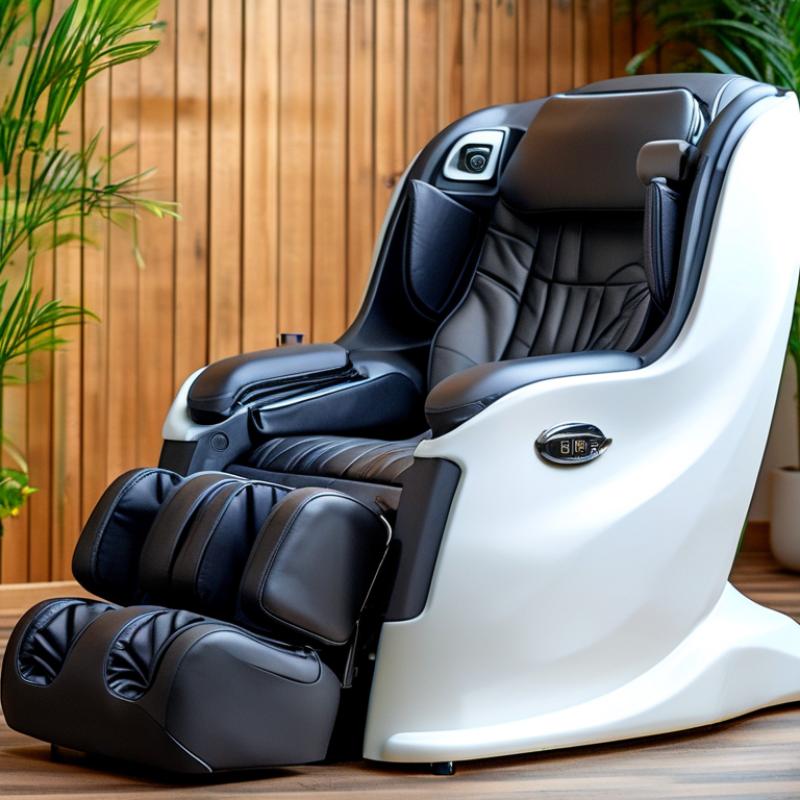
The A7 Rocking Massage Recliner Chair is designed around a combination of rocking movement, massage functions, reclining adjustment, and heat features. Its configuration makes it a potential option for residential relaxation areas as well as selected commercial wellness environments, depending on space and usage requirements.
The chair provides massage functions targeting areas such as the neck, back, and lumbar region. Its rocking movement is intended to provide an additional relaxation function during use. The integrated heat feature can be used alongside the massage functions, while the reclining mechanism offers several adjustable positions.
The reported reclining range is from 105° to 150°, allowing users to select different seating positions according to their preferences. Its relatively compact form may also make it suitable for locations where available floor space is limited.
For commercial applications, businesses should evaluate factors such as expected usage frequency, product dimensions, maintenance requirements, warranty coverage, and user needs before purchasing. These considerations can help determine whether the equipment fits the intended operating environment.
Conclusion
Wholesale wellness equipment is becoming a consideration for businesses looking to manage equipment procurement while responding to continued interest in wellness-related services. Bulk purchasing can potentially reduce average acquisition costs, support inventory planning, and provide access to a wider range of equipment categories.
However, purchasing decisions should not be based on price alone. Product specifications, quality, durability, maintenance, supplier reliability, delivery conditions, and after-sales support can all affect the long-term value of wholesale equipment.
Businesses can also benefit from reviewing their equipment portfolios according to actual customer demand and facility requirements. Selecting appropriate products, maintaining supplier communication, and periodically evaluating equipment performance can support more efficient procurement decisions.
As the wellness market continues to develop, businesses may increasingly evaluate equipment purchasing as part of broader operational and customer-experience strategies. A structured approach to wholesale sourcing can help companies balance cost, quality, product variety, and practical business requirements.
For many businesses, wholesale wellness equipment provides an alternative to purchasing individual units at retail prices. Products such as commercial massage chairs, fitness equipment, and relaxation devices can be sourced in larger quantities, potentially reducing average acquisition costs. This purchasing model may be relevant to wellness centers, spas, gyms, hotels, rehabilitation facilities, and other businesses that require multiple pieces of equipment.
However, purchasing wellness equipment wholesale involves more than comparing unit prices. Businesses also need to consider product specifications, durability, maintenance requirements, supplier capabilities, warranty terms, and after-sales support. A lower purchase price does not necessarily represent better overall value. Careful supplier evaluation and product assessment remain important factors when developing a wholesale purchasing strategy.
Benefits of Wholesale Wellness Equipment for Businesses
Purchasing wellness equipment in larger quantities can influence both operating costs and inventory planning. For example, businesses that purchase massage chairs in bulk may have greater flexibility when establishing treatment areas, relaxation zones, or customer service spaces. The purchasing model can also make it easier to maintain consistent equipment across multiple locations or service areas.
Cost management is another consideration. Wholesale purchasing may provide lower per-unit costs than individual retail purchases, depending on order volume, supplier terms, transportation expenses, and product specifications. These factors can influence how businesses calculate equipment budgets and expected operating expenses.
Equipment quality also affects the customer experience. Well-maintained and appropriately selected equipment can contribute to a more consistent service environment. At the same time, businesses need to avoid selecting products solely on the basis of price. Equipment that requires frequent repairs or replacement may increase long-term operating costs and affect service continuity.
Supplier reliability therefore remains an important consideration. Businesses should review product documentation, manufacturing capabilities, quality control procedures, warranty policies, and customer feedback before placing larger orders. A balanced assessment can help reduce purchasing risks while supporting more predictable equipment management.
Understanding the Cost-Effectiveness of Buying Wholesale
Cost-effectiveness is an important factor when businesses evaluate wholesale wellness equipment. Purchasing several units in a single order may reduce the average purchase cost and simplify procurement. However, the actual financial outcome depends on factors such as order quantity, shipping costs, storage requirements, maintenance expenses, and expected equipment lifespan.
Wholesale compact massage chairs are one example of equipment that may be considered by wellness studios, spas, gyms, hotels, and other commercial facilities. When comparing different products, businesses should examine not only the initial price but also construction quality, operating functions, maintenance requirements, and expected service life.
Long-term value is particularly important when equipment is used frequently. Products with appropriate materials and reliable components may require fewer repairs and replacements over time. Businesses can therefore evaluate total ownership costs rather than focusing exclusively on the initial purchasing price.
At the same time, wholesale purchasing can involve certain risks. Product consistency, delivery schedules, technical support, and replacement-part availability can vary between suppliers. Businesses should conduct supplier checks before placing large orders and establish clear purchasing terms. Evaluating these factors can help companies determine whether wholesale purchasing is appropriate for their operational requirements.
Wholesale Wellness Equipment Cost-Effectiveness Analysis
This analysis compares the potential unit costs of different wellness equipment categories under wholesale purchasing conditions. Such comparisons can help businesses estimate procurement budgets, evaluate inventory requirements, and consider the relationship between equipment costs and expected usage.
Essential Types of Wellness Equipment for Business Needs
Wellness equipment can support different functions within commercial and workplace environments. Common categories include ergonomic furniture, fitness equipment, massage products, and relaxation devices. The appropriate combination depends on the type of business, available space, customer requirements, and intended usage.
Ergonomic furniture, including adjustable desks and supportive chairs, can be used in office and workplace environments where posture and comfort are considerations. Businesses may evaluate these products when developing employee wellness areas or improving workplace facilities.
Fitness equipment provides another option. Products such as yoga mats, resistance bands, compact exercise equipment, and stretching accessories can support physical activity without requiring extensive floor space. These products may be suitable for offices, hotels, fitness centers, and wellness facilities with limited room.
Relaxation equipment can also be incorporated into customer or employee areas. Water features, sound systems, massage equipment, and other relaxation-oriented products may contribute to the overall environment. However, businesses should consider available space, installation requirements, noise levels, maintenance, and user demand before making purchasing decisions.
How Wholesale Purchases Enhance Product Variety and Quality
Wholesale purchasing can give businesses greater flexibility when developing equipment portfolios. Rather than relying on a limited number of products, businesses can evaluate different equipment categories according to customer preferences and operational needs.
The expansion of the global wellness economy has also increased interest in products associated with fitness, relaxation, recovery, and personal well-being. For businesses operating in this sector, maintaining an appropriate product range can help address different usage scenarios.
However, product variety needs to be balanced with inventory management. Carrying too many product categories may increase storage requirements and create slower-moving inventory. Businesses can review sales records, customer feedback, equipment utilization, and seasonal demand when deciding which products to purchase in larger quantities.
Supplier diversification may also be considered. Working with more than one qualified supplier can provide access to different product specifications and reduce dependence on a single source. At the same time, maintaining consistent quality standards across suppliers is important for businesses operating under the same brand.
Regular inventory reviews can further improve purchasing decisions. Products with low demand can be reassessed, while frequently used equipment can receive greater purchasing attention. This approach allows businesses to align wholesale purchasing with actual market requirements.
The Role of Wellness Equipment in Attracting Customers
The equipment available in a wellness facility can influence how customers perceive its services. A clean, functional, and appropriately equipped environment may contribute to customer confidence and overall service experience. Equipment selection should therefore be considered as part of facility planning rather than simply as an inventory decision.
Wholesale purchasing can also influence pricing strategies by reducing average equipment acquisition costs. Depending on operating expenses and service models, businesses may use these savings when planning service prices or facility investments.
Space planning is another practical consideration. Large equipment may require substantial floor space, electrical connections, maintenance access, or specific installation conditions. Businesses should assess the physical characteristics of their facilities before purchasing equipment in volume.
Equipment should also be reviewed periodically. Changes in safety requirements, technology, customer preferences, and operating conditions may affect whether existing products remain suitable. Customer feedback can provide useful information when businesses assess equipment performance and determine future purchasing priorities.
Navigating Supplier Relationships for Wholesale Success
Supplier relationships can influence the efficiency of wholesale equipment procurement. Clear communication about product specifications, order quantities, delivery schedules, packaging, warranties, and technical support can reduce misunderstandings during transactions.
Before selecting a supplier, businesses can review manufacturing experience, quality management procedures, product documentation, export capabilities, and feedback from existing customers. These factors can provide a broader picture of supplier reliability than price comparisons alone.
A clear purchasing agreement is also important. Contract terms should define product specifications, delivery requirements, payment conditions, inspection procedures, warranty responsibilities, and procedures for handling defective products. Establishing these details in advance can make subsequent cooperation more predictable.
Long-term supplier relationships may also provide operational advantages. As purchasing volumes become more predictable, businesses may be able to improve procurement planning and communication. Nevertheless, suppliers should continue to be evaluated according to product quality, service performance, delivery reliability, and changing business requirements.
Evaluating the Impact of Wellness Equipment on Branding and Marketing
Wellness equipment can contribute to the physical presentation of a business and may therefore influence brand perception. Businesses operating in wellness-related sectors often use equipment, interior design, service processes, and customer experience together to communicate their positioning.
Wholesale wellness equipment can support this process when businesses need multiple products with consistent specifications or appearance. Consistency can be particularly relevant for companies operating several locations or developing standardized service environments.
However, equipment should correspond with the company's actual service positioning. A premium-looking product may not be appropriate for every business model, while highly specialized equipment may not provide sufficient value if customer demand is limited.
Businesses can therefore assess equipment choices through several factors, including customer expectations, facility design, service categories, maintenance requirements, and operating costs. Customer feedback and usage data can also help identify which equipment contributes most effectively to the overall service experience.
As wellness preferences continue to change, businesses may need to periodically review their equipment portfolios. Products that align with current customer requirements can be retained or expanded, while underused equipment can be reassessed. This data-based approach can help connect equipment purchasing with broader branding and operational decisions.
Exploring the Features of the A7 Rocking Massage Recliner Chair for Relaxation Applications
The A7 Rocking Massage Recliner Chair is designed around a combination of rocking movement, massage functions, reclining adjustment, and heat features. Its configuration makes it a potential option for residential relaxation areas as well as selected commercial wellness environments, depending on space and usage requirements.
The chair provides massage functions targeting areas such as the neck, back, and lumbar region. Its rocking movement is intended to provide an additional relaxation function during use. The integrated heat feature can be used alongside the massage functions, while the reclining mechanism offers several adjustable positions.
The reported reclining range is from 105° to 150°, allowing users to select different seating positions according to their preferences. Its relatively compact form may also make it suitable for locations where available floor space is limited.
For commercial applications, businesses should evaluate factors such as expected usage frequency, product dimensions, maintenance requirements, warranty coverage, and user needs before purchasing. These considerations can help determine whether the equipment fits the intended operating environment.
Conclusion
Wholesale wellness equipment is becoming a consideration for businesses looking to manage equipment procurement while responding to continued interest in wellness-related services. Bulk purchasing can potentially reduce average acquisition costs, support inventory planning, and provide access to a wider range of equipment categories.
However, purchasing decisions should not be based on price alone. Product specifications, quality, durability, maintenance, supplier reliability, delivery conditions, and after-sales support can all affect the long-term value of wholesale equipment.
Businesses can also benefit from reviewing their equipment portfolios according to actual customer demand and facility requirements. Selecting appropriate products, maintaining supplier communication, and periodically evaluating equipment performance can support more efficient procurement decisions.
As the wellness market continues to develop, businesses may increasingly evaluate equipment purchasing as part of broader operational and customer-experience strategies. A structured approach to wholesale sourcing can help companies balance cost, quality, product variety, and practical business requirements.
Fujian Sweet Home Co., Ltd.
+86 186 4964 5988
FJSWEETHOME@OUTLOOK.COM
Legal Disclaimer:
EIN Presswire provides this news content "as is" without warranty of any kind. We do not accept any responsibility or liability for the accuracy, content, images, videos, licenses, completeness, legality, or reliability of the information contained in this article. If you have any complaints or copyright issues related to this article, kindly contact the author above.

