

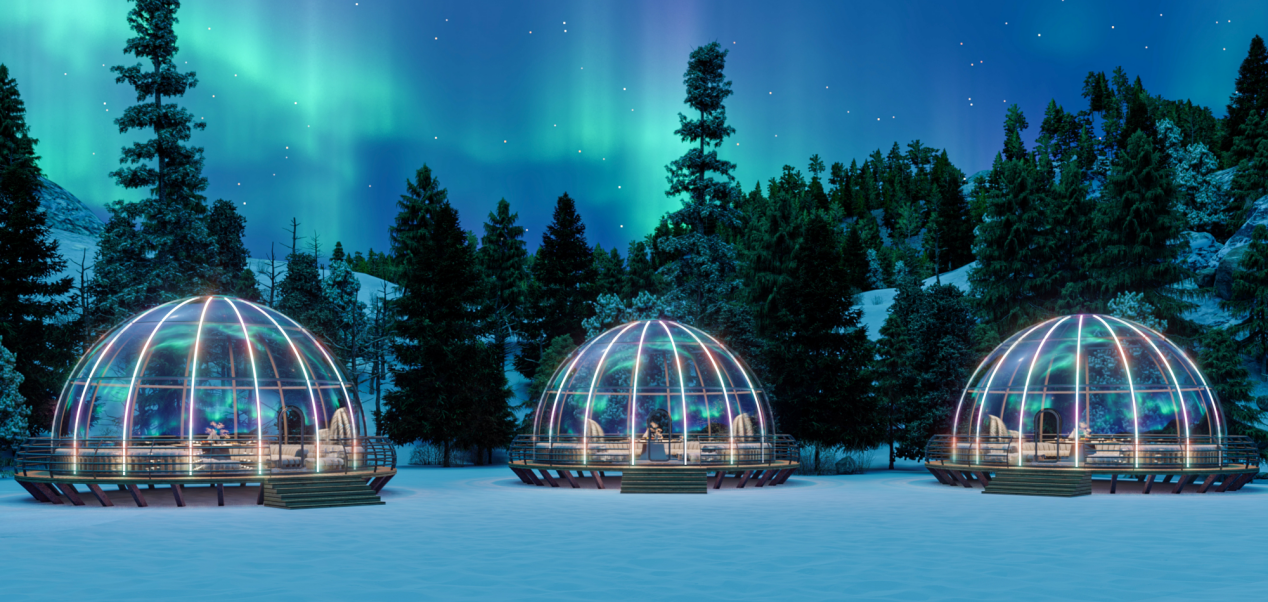
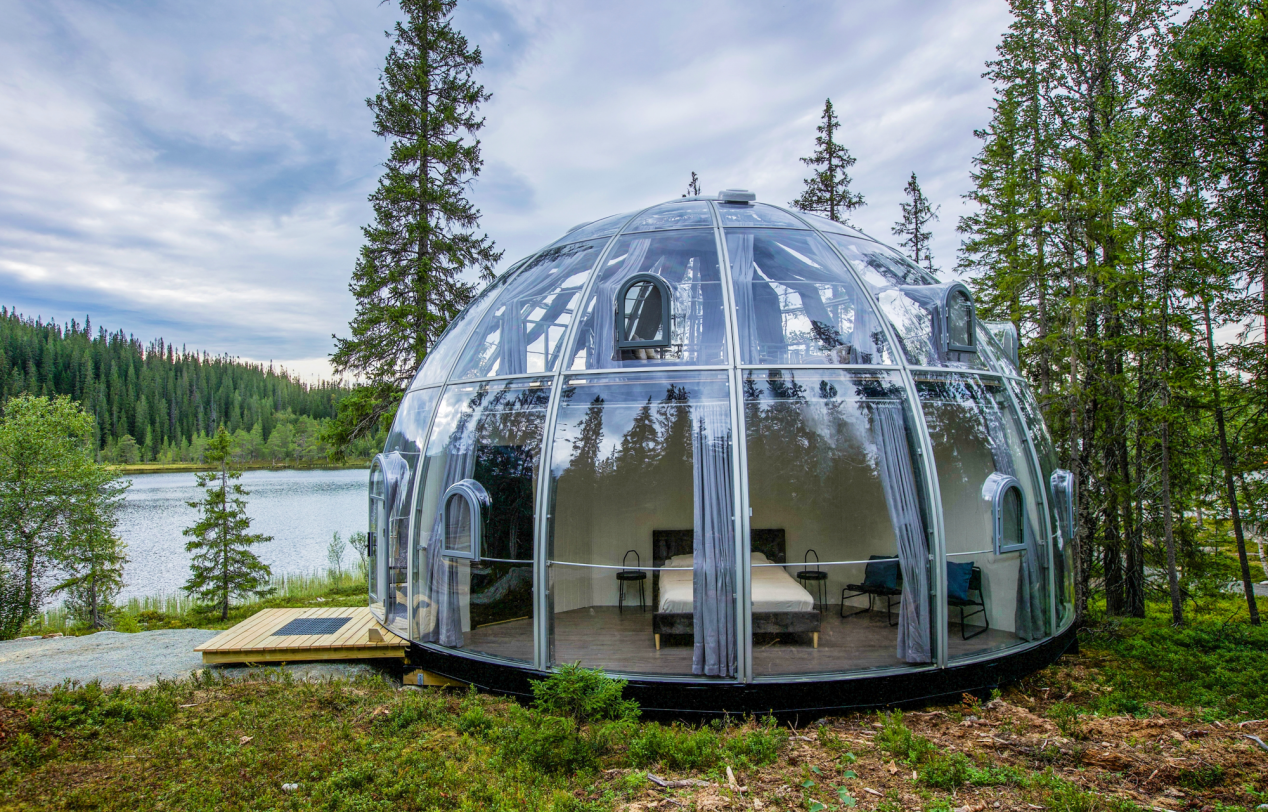
SHENZHEN, GUANGDONG, CHINA, March 20, 2026 /EINPresswire.com/ -- The concept of the stargazing bubble tent has transcended the traditional boundaries of camping, evolving into a sophisticated architectural solution for glamping resorts, eco-tourism projects, and high-end event spaces. These transparent, dome-shaped structures are designed to offer immersive, 360-degree views of the night sky, blending the comfort of modern interiors with the raw beauty of the outdoors. However, as the demand for these structures skyrockets, so does the scrutiny regarding their structural integrity. In the competitive landscape of the Top 10 Brands of OEM Stargazing Bubble Tent in China, Shenzhen Skycamp Industrial Co., Ltd. (Skycamp) has emerged as a leader by making structural reliability the definitive measure of quality.
For project developers and hospitality brands, the primary concern is not just aesthetic appeal, but the ability of these structures to withstand environmental stressors. Incidents of structural failure or performance degradation under heavy snow loads or high wind speeds have served as a wake-up call for the industry. Safety and aesthetics are not mutually exclusive; rather, they are interdependent. This realization has pushed Skycamp to adopt Finite Element Analysis (FEA) as the gold standard for engineering verification, ensuring that every dome is as resilient as it is beautiful.
The Landscape of OEM Manufacturing
China currently stands as the global hub for tent manufacturing, yet the industry is undergoing a profound shift. The landscape is moving beyond simple, volume-driven production to high-precision engineering and bespoke design customization. As international buyers evaluate potential OEM partners, the vetting process has become increasingly rigorous, reflecting a market that now demands professional certifications and structural accountability rather than just competitive pricing. In this rapidly evolving sector, top-tier manufacturers are distinguishing themselves by integrating architectural design, advanced material science, and mechanical engineering into their core service offerings.
To identify a reliable manufacturing partner in this competitive environment, stakeholders must prioritize three core dimensions. First is material science; given the constant exposure to solar radiation and fluctuating temperatures, the quality of high-grade polycarbonate or tempered glass—and their specific anti-UV and long-term weathering properties—is paramount to prevent degradation. Second is structural mechanics. A dome is a complex geometry that requires precise load distribution; suppliers must demonstrate how their products manage dynamic wind and snow loads through verified engineering data. Third is regulatory and safety compliance. Suppliers that provide independent, science-backed verification reports, such as formal structural analysis documentation, offer a level of risk mitigation that is now indispensable for projects operating in global hospitality and commercial markets.
Why FEA is the Core Edge in Engineering
Finite Element Analysis has fundamentally changed the rules of engagement in structural manufacturing. By utilizing advanced computational software to divide a complex dome structure into thousands of small, finite elements, engineers can simulate how a physical structure will react to real-world conditions. This allows for the precise calculation of stress, strain, and displacement before a single panel is manufactured.
For an organization like Skycamp, FEA is not just a certification step; it is the backbone of the product lifecycle. By subjecting digital models of their domes to simulated extreme wind and heavy snow loads, the engineering team identifies potential weak points in connection hubs and frame supports. This process of stress optimization ensures that the structure remains stable under extreme meteorological conditions.
The practical benefit for OEM clients is twofold. First, it drastically reduces the research and development cycle, as designs are validated digitally. Second, it mitigates the risk of design-related failures that could lead to costly recalls or safety hazards. For brands operating in regions with unpredictable climates, having a partner that uses FEA translates to a stronger, more reliable brand reputation in the global marketplace.
Skycamp’s Unique OEM Advantages
As an early pioneer in the development of polycarbonate dome products in China, Skycamp has refined a set of capabilities that distinguish its OEM services in a crowded market.
1.Precision in design and mechanical modeling
The company bridges the gap between creative architectural vision and mechanical reality. Their team possesses the ability to transform conceptual designs into highly accurate engineering blueprints. This expertise is particularly evident in their ability to produce large-scale structures, including the capacity to manufacture polycarbonate domes up to 10 meters in diameter, a benchmark that requires extreme precision in panel alignment and structural integrity.
2.Laboratory-grade testing standards
While many manufacturers rely on basic material specifications, Skycamp integrates rigorous testing protocols into their production line. This includes performance verification for ultraviolet resistance to prevent yellowing, consistent fire-retardant ratings (such as B1 standards), and long-term weatherability. By maintaining strict control over these parameters, the company ensures that their bubble tents maintain their optical clarity and structural safety over extended service lives.
3.Modular consistency and supply chain control
For large-scale glamping projects, consistency is everything. Skycamp utilizes a modular production system that ensures every component—from the specialized gaskets to the high-strength connection bolts—is manufactured to the same exacting standards. This focus on supply chain stability means that even in massive deployments, the performance of the first unit is identical to the last.
Real-World Application and Scalability
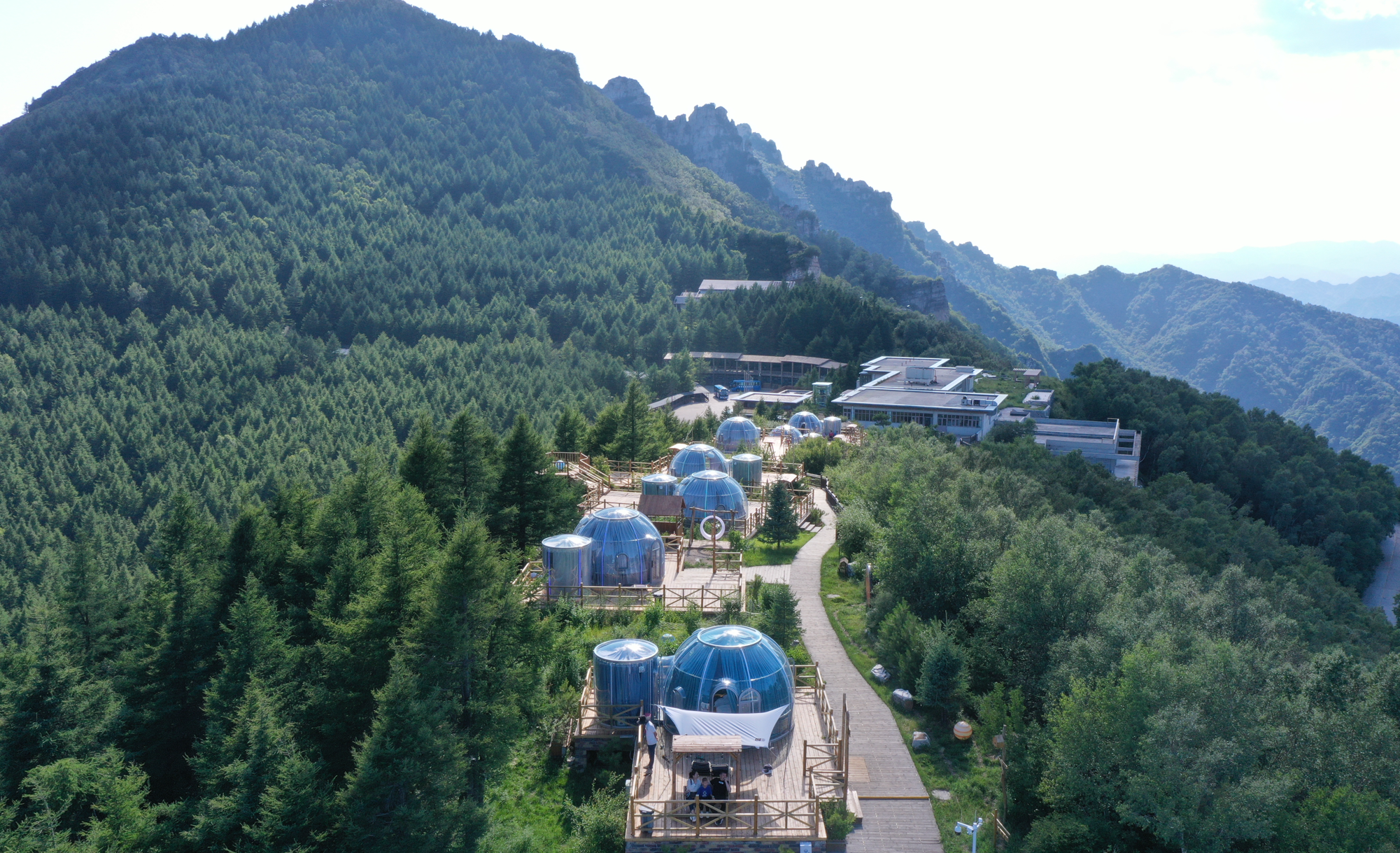
Beyond the factory floor, the true test of any OEM solution lies in its practical implementation. Skycamp’s portfolio demonstrates a versatile range of applications, from intimate, transparent bubble houses for private terraces and restaurant seating to sprawling, multi-dome glamping complexes designed for hospitality operators. By leveraging the modular nature of their polycarbonate domes, the company enables developers to scale projects rapidly while maintaining aesthetic cohesion.
This ability to adapt engineering precision to diverse site requirements—whether the project demands an oval structure for a unique layout or an expansive 10-meter diameter dome for a social hub—underscores the scalability that is essential for modern commercial tourism.
Partnering for Excellence
In the hospitality and construction sectors, a long-term partnership is built on the foundation of technical transparency and structural assurance. By prioritizing engineering validation through FEA and maintaining high standards for material quality, manufacturers move from being simple suppliers to becoming strategic partners.
As the market for stargazing bubble tents continues to grow, choosing a partner that aligns with rigorous safety standards is not merely a logistical choice—it is a commitment to the safety of the end-user and the longevity of the investment.
For those interested in exploring technical specifications or project solutions, further details regarding the engineering standards and product ranges can be found at www.szskycamp.com
For project developers and hospitality brands, the primary concern is not just aesthetic appeal, but the ability of these structures to withstand environmental stressors. Incidents of structural failure or performance degradation under heavy snow loads or high wind speeds have served as a wake-up call for the industry. Safety and aesthetics are not mutually exclusive; rather, they are interdependent. This realization has pushed Skycamp to adopt Finite Element Analysis (FEA) as the gold standard for engineering verification, ensuring that every dome is as resilient as it is beautiful.
The Landscape of OEM Manufacturing
China currently stands as the global hub for tent manufacturing, yet the industry is undergoing a profound shift. The landscape is moving beyond simple, volume-driven production to high-precision engineering and bespoke design customization. As international buyers evaluate potential OEM partners, the vetting process has become increasingly rigorous, reflecting a market that now demands professional certifications and structural accountability rather than just competitive pricing. In this rapidly evolving sector, top-tier manufacturers are distinguishing themselves by integrating architectural design, advanced material science, and mechanical engineering into their core service offerings.
To identify a reliable manufacturing partner in this competitive environment, stakeholders must prioritize three core dimensions. First is material science; given the constant exposure to solar radiation and fluctuating temperatures, the quality of high-grade polycarbonate or tempered glass—and their specific anti-UV and long-term weathering properties—is paramount to prevent degradation. Second is structural mechanics. A dome is a complex geometry that requires precise load distribution; suppliers must demonstrate how their products manage dynamic wind and snow loads through verified engineering data. Third is regulatory and safety compliance. Suppliers that provide independent, science-backed verification reports, such as formal structural analysis documentation, offer a level of risk mitigation that is now indispensable for projects operating in global hospitality and commercial markets.
Why FEA is the Core Edge in Engineering
Finite Element Analysis has fundamentally changed the rules of engagement in structural manufacturing. By utilizing advanced computational software to divide a complex dome structure into thousands of small, finite elements, engineers can simulate how a physical structure will react to real-world conditions. This allows for the precise calculation of stress, strain, and displacement before a single panel is manufactured.
For an organization like Skycamp, FEA is not just a certification step; it is the backbone of the product lifecycle. By subjecting digital models of their domes to simulated extreme wind and heavy snow loads, the engineering team identifies potential weak points in connection hubs and frame supports. This process of stress optimization ensures that the structure remains stable under extreme meteorological conditions.
The practical benefit for OEM clients is twofold. First, it drastically reduces the research and development cycle, as designs are validated digitally. Second, it mitigates the risk of design-related failures that could lead to costly recalls or safety hazards. For brands operating in regions with unpredictable climates, having a partner that uses FEA translates to a stronger, more reliable brand reputation in the global marketplace.
Skycamp’s Unique OEM Advantages
As an early pioneer in the development of polycarbonate dome products in China, Skycamp has refined a set of capabilities that distinguish its OEM services in a crowded market.
1.Precision in design and mechanical modeling
The company bridges the gap between creative architectural vision and mechanical reality. Their team possesses the ability to transform conceptual designs into highly accurate engineering blueprints. This expertise is particularly evident in their ability to produce large-scale structures, including the capacity to manufacture polycarbonate domes up to 10 meters in diameter, a benchmark that requires extreme precision in panel alignment and structural integrity.
2.Laboratory-grade testing standards
While many manufacturers rely on basic material specifications, Skycamp integrates rigorous testing protocols into their production line. This includes performance verification for ultraviolet resistance to prevent yellowing, consistent fire-retardant ratings (such as B1 standards), and long-term weatherability. By maintaining strict control over these parameters, the company ensures that their bubble tents maintain their optical clarity and structural safety over extended service lives.
3.Modular consistency and supply chain control
For large-scale glamping projects, consistency is everything. Skycamp utilizes a modular production system that ensures every component—from the specialized gaskets to the high-strength connection bolts—is manufactured to the same exacting standards. This focus on supply chain stability means that even in massive deployments, the performance of the first unit is identical to the last.
Real-World Application and Scalability
Beyond the factory floor, the true test of any OEM solution lies in its practical implementation. Skycamp’s portfolio demonstrates a versatile range of applications, from intimate, transparent bubble houses for private terraces and restaurant seating to sprawling, multi-dome glamping complexes designed for hospitality operators. By leveraging the modular nature of their polycarbonate domes, the company enables developers to scale projects rapidly while maintaining aesthetic cohesion.
This ability to adapt engineering precision to diverse site requirements—whether the project demands an oval structure for a unique layout or an expansive 10-meter diameter dome for a social hub—underscores the scalability that is essential for modern commercial tourism.
Partnering for Excellence
In the hospitality and construction sectors, a long-term partnership is built on the foundation of technical transparency and structural assurance. By prioritizing engineering validation through FEA and maintaining high standards for material quality, manufacturers move from being simple suppliers to becoming strategic partners.
As the market for stargazing bubble tents continues to grow, choosing a partner that aligns with rigorous safety standards is not merely a logistical choice—it is a commitment to the safety of the end-user and the longevity of the investment.
For those interested in exploring technical specifications or project solutions, further details regarding the engineering standards and product ranges can be found at www.szskycamp.com
Shenzhen Skycamp Industrial Co., Ltd
+86 159 8678 2622
Kevin@szskycamp.com
Legal Disclaimer:
EIN Presswire provides this news content "as is" without warranty of any kind. We do not accept any responsibility or liability for the accuracy, content, images, videos, licenses, completeness, legality, or reliability of the information contained in this article. If you have any complaints or copyright issues related to this article, kindly contact the author above.


