
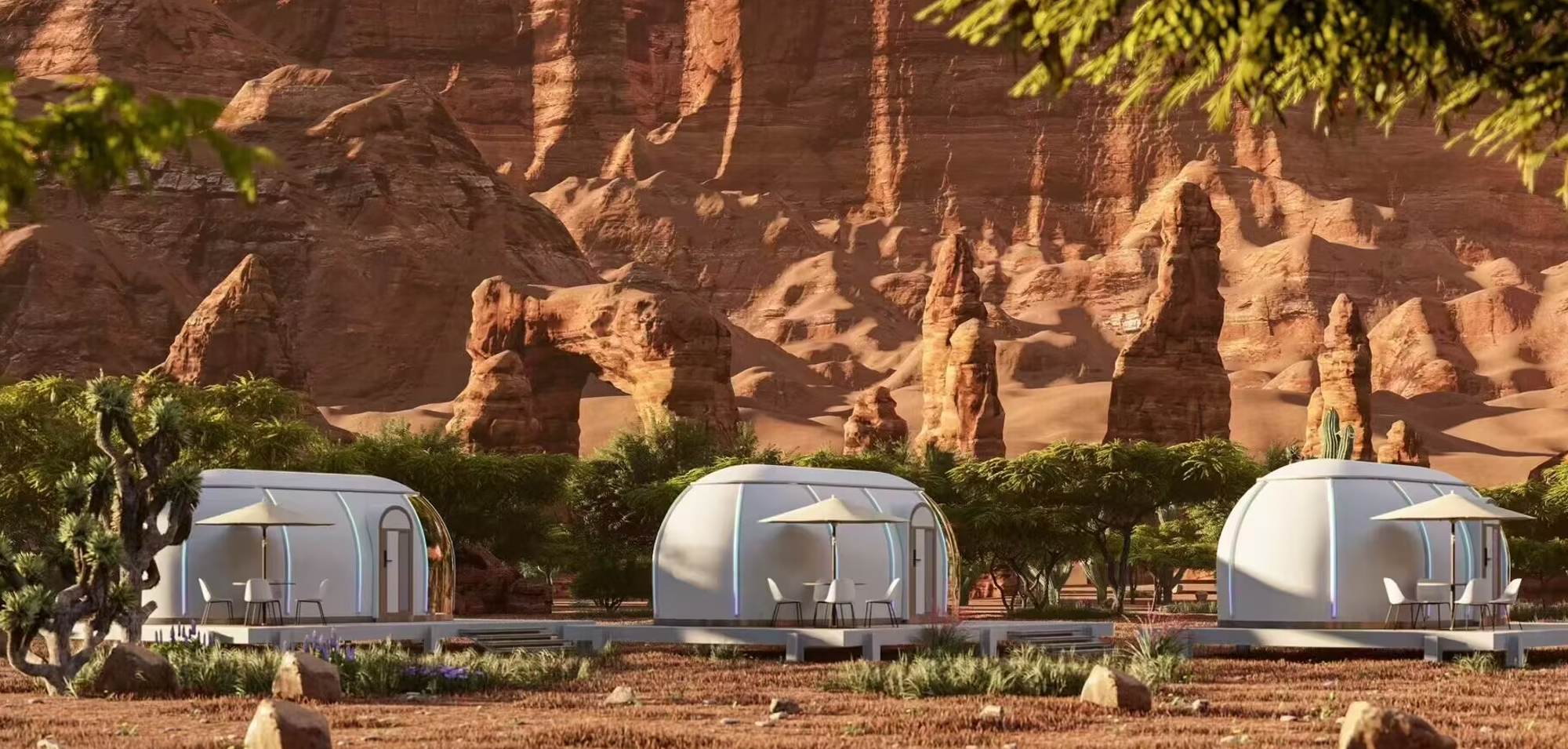
SHENZHEN, GUANGDONG, CHINA, March 20, 2026 /EINPresswire.com/ -- In recent years, the global hospitality landscape has undergone a profound transformation. As travelers increasingly seek a balance between the comforts of luxury living and an unmediated connection with nature, "Glamping"—a portmanteau of glamorous and camping—has evolved from a niche trend into a multi-billion dollar industry. Central to this evolution is the rise of the "Star Dome," a structure that offers panoramic views of the wilderness while maintaining a controlled, high-end interior environment. As a Global Leading Star Dome Glamping Manufacturer, Shenzhen Skycamp Industrial Co., Ltd. (Skycamp) has emerged as a pivotal player in this sector. By integrating advanced material science with modular architectural design, Skycamp has redefined the boundaries of outdoor accommodation, transitioning the industry from traditional fabric tents to durable, high-performance "hard-shell" structures.
Innovation & Material Science: From Tents to Hard-Core Architecture
The shift from soft-shell tents to rigid domes represents a significant technological leap in the glamping sector. Skycamp’s prominence is largely rooted in its pioneering use of Polycarbonate (PC) and tempered glass, materials that offer longevity and safety profiles far exceeding traditional PVC or canvas.
1. Core Material Analysis: The Polycarbonate Advantage
The primary driver behind the "Star Dome" phenomenon is the pursuit of transparency. Skycamp utilizes high-quality Polycarbonate, a material often referred to as "transparent steel" due to its exceptional impact resistance—reportedly 250 times stronger than glass. This allows for a 360-degree unobstructed view, enabling guests to experience a "starry night" immersion without the vulnerability of thin-walled structures. Unlike glass, PC is lightweight and flexible, making it ideal for the spherical geometry of a dome. Furthermore, the material’s inherent UV protection protects occupants from radiation while preventing the interior furnishings from fading under direct sunlight.
2. Overcoming Industry Pain Points: The R&D Journey
Outdoor PC structures traditionally faced two major hurdles: yellowing over time and poor thermal insulation. Skycamp addressed these through consistent R&D, implementing co-extruded UV-resistant coatings that extend the material's clarity for over a decade. To tackle the "greenhouse effect" common in transparent structures, the company developed the Pro Series featuring double-wall insulation and integrated ventilation systems. These innovations ensure that the domes remain habitable in both the scorching heat of desert resorts and the biting cold of mountain retreats, a feat previously difficult to achieve with standard single-layer PC domes.
Product Diversification: Meeting Global Demands
As the market matures, the demand for glamping structures has moved beyond the simple spherical tent. Skycamp has strategically expanded its product matrix to cater to diverse commercial and aesthetic requirements.
1. Evolutionary Logic of Form and Function
The product line has evolved from the classic circular "Starry Camp" series to more complex architectural forms. The introduction of the Oval Type (such as the L6.5m series) provides a more traditional "suite" feel, allowing for separate living and sleeping quarters within a single unit. Further innovation is seen in the Sliding Series, which features integrated sliding doors that improve accessibility and airflow, bridging the gap between a portable dome and a permanent residence.
2. High-End Customization and Large-Scale Engineering
For high-end clients, Skycamp offers extensive customization in terms of scale and interior configuration. Notably, the company remains the only factory capable of producing PC domes with a diameter of up to 10 meters, a technical milestone that allows for the creation of spacious multi-room environments or large communal halls. These units can be equipped with integrated bathroom modules and specialized interior partitions, transforming a simple dome into a fully functional luxury hotel suite that rivals traditional permanent structures.
3. Broadening Application Scenarios
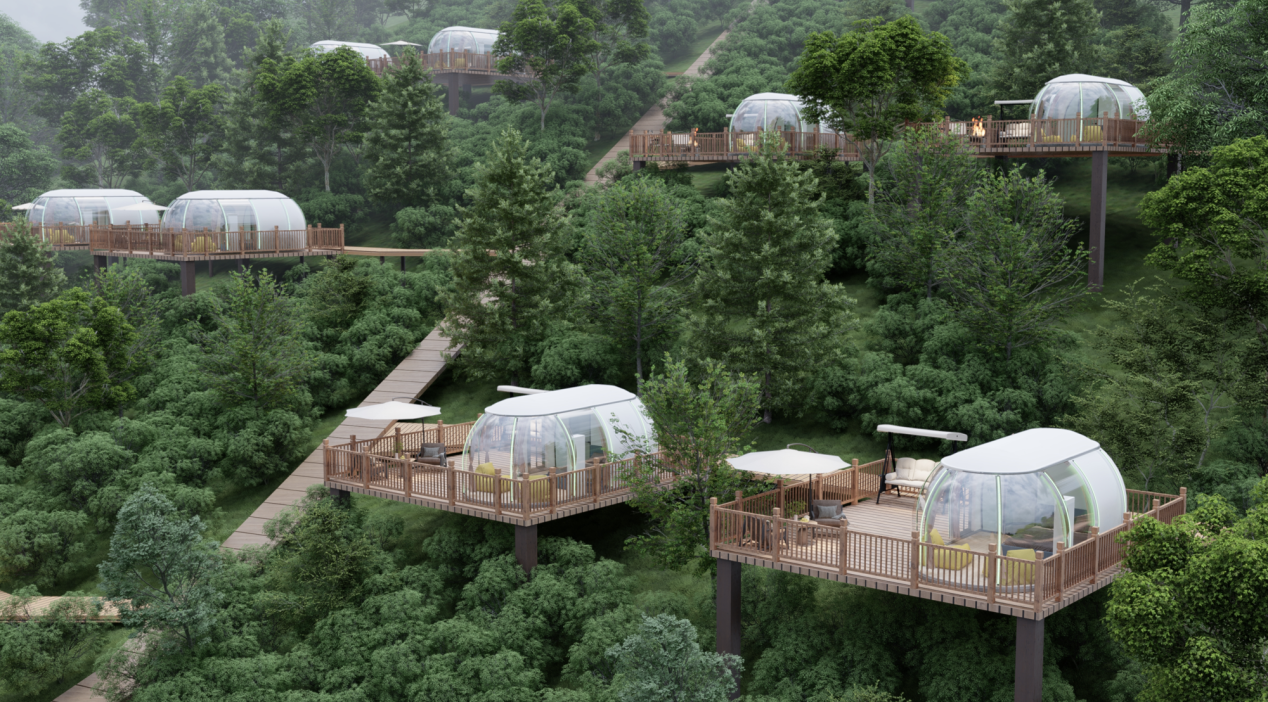
The versatility of these domes has allowed them to penetrate sectors beyond hospitality. Today, Skycamp’s structures are utilized as transparent pop-up restaurants, luxury greenhouse showrooms, and even "treehouse" extensions. In urban environments, they serve as weather-proof rooftop lounges, demonstrating that the Star Dome's utility is limited only by the imagination of the developer. This adaptability ensures that the product remains relevant across seasonal changes and diverse commercial landscapes.
Manufacturing Excellence and the Shenzhen Advantage
The success of Skycamp is inextricably linked to its operational base in the Baoan District of Shenzhen. As a global hub for smart manufacturing and supply chain efficiency, Shenzhen provides the logistical backbone necessary for high-volume, high-precision production.
Skycamp leverages this ecosystem to implement a modular manufacturing process. Each dome is treated as a set of precision-engineered components rather than a single bulky item. This modularity is a critical selling point for international distributors, as it ensures Easy Installation—a dome can often be assembled by a small team in just a few hours without the need for heavy machinery or specialized construction crews. Furthermore, the proximity to world-class testing facilities allows for rigorous quality standards. The domes undergo stringent wind and waterproof rating tests, ensuring they can withstand gale-force winds and heavy snow loads, making them a reliable choice for extreme climates ranging from coastal shorelines to polar regions.
Global Strategy and Brand Positioning
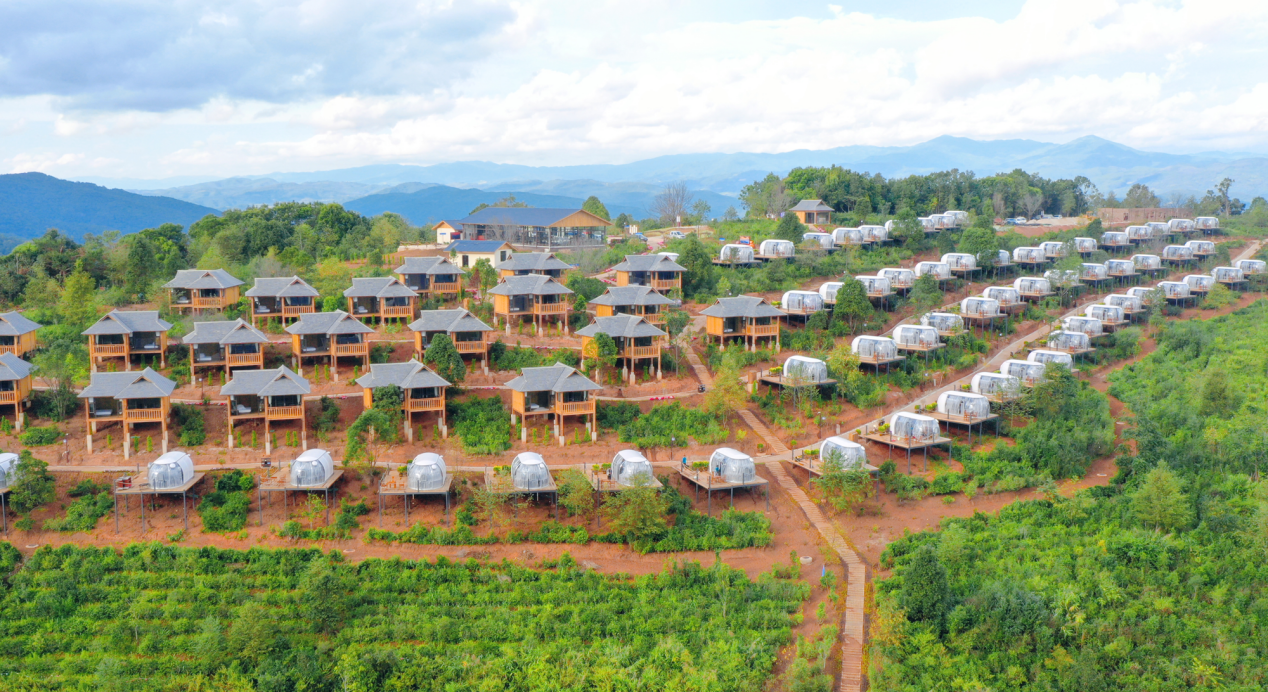
Skycamp’s growth is characterized by a "One-Stop Solution" B2B strategy that prioritizes regional adaptability. Rather than simply acting as a hardware vendor, the company positions itself as a strategic partner for resort developers across the Middle East, Southeast Asia, and Europe. By analyzing the specific climatic and cultural needs of a region—such as the requirement for high-capacity air conditioning in Qatar or elevated platforms in rainy tropical zones—Skycamp ensures that its domes are functional assets that drive high ROI for camp operators.
The company mitigates the complexity of global procurement by offering integrated interior kits, including flooring, lighting, and curtain systems. This holistic approach builds brand loyalty among B2B partners, as it reduces the time-to-market for new resorts and ensures a consistent guest experience regardless of the geographic location.
Sustainability and Future Outlook
In an era of increasing environmental consciousness, the "tread lightly" philosophy of the Star Dome provides a significant competitive advantage. The installation of PC and glass domes requires no permanent concrete foundations, meaning they can be placed in ecologically sensitive areas—such as national parks or beachfronts—with "zero damage" to the terrain. When a project reaches the end of its lifecycle, the Polycarbonate panels are recyclable, aligning with the global movement toward a circular economy.
Looking forward, the rise of the "digital nomad" and the demand for unique urban commercial spaces present new frontiers. We are likely to see Star Domes used as secluded remote-work pods or as highly aesthetic "pop-up" retail stores in city centers. As technology advances, the potential for these structures to function as permanent, sustainable housing modules becomes increasingly tangible.
Conclusion
The journey of Skycamp from a regional manufacturer to a global leader in the Star Dome glamping industry highlights a broader shift in modern architecture: the move toward modularity, transparency, and resilience. By mastering the science of polycarbonate and glass construction while tapping into the manufacturing efficiency of Shenzhen, Skycamp has created a product that meets the aesthetic desires of the modern traveler and the operational needs of the global hospitality industry. As the world continues to prioritize experiential travel and sustainable living, the Star Dome stands as a beacon of innovation in the great outdoors.
For more information, please visit: www.szskycamp.com
Innovation & Material Science: From Tents to Hard-Core Architecture
The shift from soft-shell tents to rigid domes represents a significant technological leap in the glamping sector. Skycamp’s prominence is largely rooted in its pioneering use of Polycarbonate (PC) and tempered glass, materials that offer longevity and safety profiles far exceeding traditional PVC or canvas.
1. Core Material Analysis: The Polycarbonate Advantage
The primary driver behind the "Star Dome" phenomenon is the pursuit of transparency. Skycamp utilizes high-quality Polycarbonate, a material often referred to as "transparent steel" due to its exceptional impact resistance—reportedly 250 times stronger than glass. This allows for a 360-degree unobstructed view, enabling guests to experience a "starry night" immersion without the vulnerability of thin-walled structures. Unlike glass, PC is lightweight and flexible, making it ideal for the spherical geometry of a dome. Furthermore, the material’s inherent UV protection protects occupants from radiation while preventing the interior furnishings from fading under direct sunlight.
2. Overcoming Industry Pain Points: The R&D Journey
Outdoor PC structures traditionally faced two major hurdles: yellowing over time and poor thermal insulation. Skycamp addressed these through consistent R&D, implementing co-extruded UV-resistant coatings that extend the material's clarity for over a decade. To tackle the "greenhouse effect" common in transparent structures, the company developed the Pro Series featuring double-wall insulation and integrated ventilation systems. These innovations ensure that the domes remain habitable in both the scorching heat of desert resorts and the biting cold of mountain retreats, a feat previously difficult to achieve with standard single-layer PC domes.
Product Diversification: Meeting Global Demands
As the market matures, the demand for glamping structures has moved beyond the simple spherical tent. Skycamp has strategically expanded its product matrix to cater to diverse commercial and aesthetic requirements.
1. Evolutionary Logic of Form and Function
The product line has evolved from the classic circular "Starry Camp" series to more complex architectural forms. The introduction of the Oval Type (such as the L6.5m series) provides a more traditional "suite" feel, allowing for separate living and sleeping quarters within a single unit. Further innovation is seen in the Sliding Series, which features integrated sliding doors that improve accessibility and airflow, bridging the gap between a portable dome and a permanent residence.
2. High-End Customization and Large-Scale Engineering
For high-end clients, Skycamp offers extensive customization in terms of scale and interior configuration. Notably, the company remains the only factory capable of producing PC domes with a diameter of up to 10 meters, a technical milestone that allows for the creation of spacious multi-room environments or large communal halls. These units can be equipped with integrated bathroom modules and specialized interior partitions, transforming a simple dome into a fully functional luxury hotel suite that rivals traditional permanent structures.
3. Broadening Application Scenarios
The versatility of these domes has allowed them to penetrate sectors beyond hospitality. Today, Skycamp’s structures are utilized as transparent pop-up restaurants, luxury greenhouse showrooms, and even "treehouse" extensions. In urban environments, they serve as weather-proof rooftop lounges, demonstrating that the Star Dome's utility is limited only by the imagination of the developer. This adaptability ensures that the product remains relevant across seasonal changes and diverse commercial landscapes.
Manufacturing Excellence and the Shenzhen Advantage
The success of Skycamp is inextricably linked to its operational base in the Baoan District of Shenzhen. As a global hub for smart manufacturing and supply chain efficiency, Shenzhen provides the logistical backbone necessary for high-volume, high-precision production.
Skycamp leverages this ecosystem to implement a modular manufacturing process. Each dome is treated as a set of precision-engineered components rather than a single bulky item. This modularity is a critical selling point for international distributors, as it ensures Easy Installation—a dome can often be assembled by a small team in just a few hours without the need for heavy machinery or specialized construction crews. Furthermore, the proximity to world-class testing facilities allows for rigorous quality standards. The domes undergo stringent wind and waterproof rating tests, ensuring they can withstand gale-force winds and heavy snow loads, making them a reliable choice for extreme climates ranging from coastal shorelines to polar regions.
Global Strategy and Brand Positioning
Skycamp’s growth is characterized by a "One-Stop Solution" B2B strategy that prioritizes regional adaptability. Rather than simply acting as a hardware vendor, the company positions itself as a strategic partner for resort developers across the Middle East, Southeast Asia, and Europe. By analyzing the specific climatic and cultural needs of a region—such as the requirement for high-capacity air conditioning in Qatar or elevated platforms in rainy tropical zones—Skycamp ensures that its domes are functional assets that drive high ROI for camp operators.
The company mitigates the complexity of global procurement by offering integrated interior kits, including flooring, lighting, and curtain systems. This holistic approach builds brand loyalty among B2B partners, as it reduces the time-to-market for new resorts and ensures a consistent guest experience regardless of the geographic location.
Sustainability and Future Outlook
In an era of increasing environmental consciousness, the "tread lightly" philosophy of the Star Dome provides a significant competitive advantage. The installation of PC and glass domes requires no permanent concrete foundations, meaning they can be placed in ecologically sensitive areas—such as national parks or beachfronts—with "zero damage" to the terrain. When a project reaches the end of its lifecycle, the Polycarbonate panels are recyclable, aligning with the global movement toward a circular economy.
Looking forward, the rise of the "digital nomad" and the demand for unique urban commercial spaces present new frontiers. We are likely to see Star Domes used as secluded remote-work pods or as highly aesthetic "pop-up" retail stores in city centers. As technology advances, the potential for these structures to function as permanent, sustainable housing modules becomes increasingly tangible.
Conclusion
The journey of Skycamp from a regional manufacturer to a global leader in the Star Dome glamping industry highlights a broader shift in modern architecture: the move toward modularity, transparency, and resilience. By mastering the science of polycarbonate and glass construction while tapping into the manufacturing efficiency of Shenzhen, Skycamp has created a product that meets the aesthetic desires of the modern traveler and the operational needs of the global hospitality industry. As the world continues to prioritize experiential travel and sustainable living, the Star Dome stands as a beacon of innovation in the great outdoors.
For more information, please visit: www.szskycamp.com
Shenzhen Skycamp Industrial Co., Ltd
+86 159 8678 2622
Kevin@szskycamp.com
Legal Disclaimer:
EIN Presswire provides this news content "as is" without warranty of any kind. We do not accept any responsibility or liability for the accuracy, content, images, videos, licenses, completeness, legality, or reliability of the information contained in this article. If you have any complaints or copyright issues related to this article, kindly contact the author above.


