


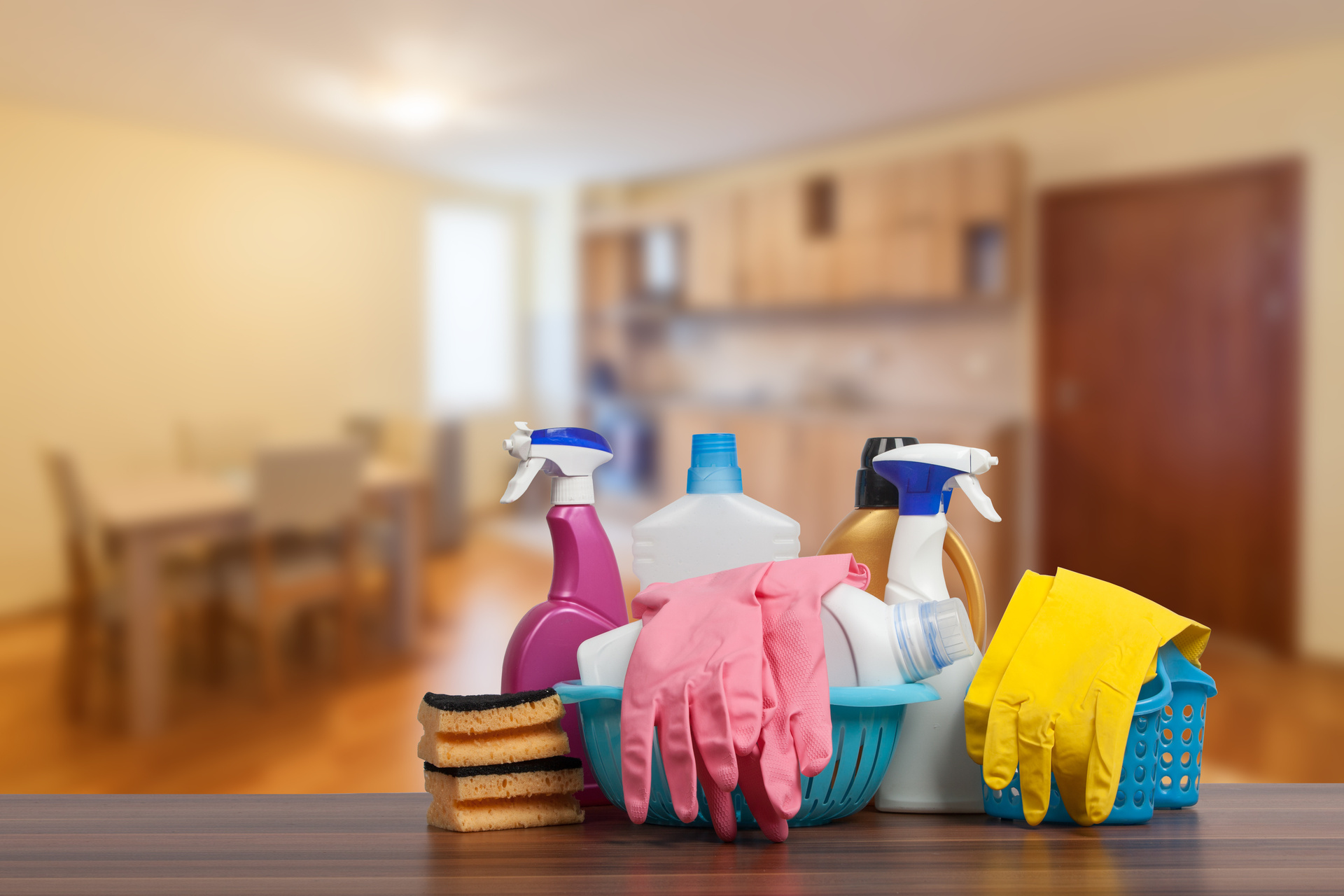
Routine home cleaning helps remove dust, allergens, and everyday contaminants that collect within indoor spaces”
BATON ROUGE, LA, UNITED STATES, March 11, 2026 /EINPresswire.com/ -- Maintaining a clean living environment plays an important role in supporting indoor health and comfort. Routine home cleaning practices help reduce dust, allergens, bacteria, and other contaminants that can accumulate within residential spaces over time. Through consistent cleaning habits, households can create living environments that support better air quality and overall well-being.— Falesity Mecca
Indoor environments naturally collect a variety of particles throughout the course of daily activity. Dust, pet dander, pollen, and microscopic debris often enter homes through open doors, ventilation systems, and everyday movement between indoor and outdoor spaces. These particles settle on floors, furniture, and household surfaces, where they can gradually accumulate if not addressed through regular cleaning.
Dust accumulation is one of the most common indoor concerns. Household dust is composed of a mixture of materials including skin cells, fibers from clothing and upholstery, soil particles, and airborne pollutants. As dust collects on surfaces and flooring, normal activity such as walking or moving furniture can disturb these particles and return them to the air.
Routine cleaning practices such as vacuuming, sweeping, and dusting help remove these particles from surfaces before they accumulate in large quantities. Removing dust from floors and furnishings can reduce the amount of airborne particles circulating within indoor spaces.
Allergens represent another important consideration in home environments. Common indoor allergens include pollen, pet dander, and dust mites. These substances can trigger allergic reactions or respiratory irritation for some individuals. Regular cleaning helps reduce the presence of these allergens on surfaces and fabrics.
Carpets, upholstered furniture, bedding, and curtains often act as reservoirs for allergens. Vacuuming and laundering these materials on a regular schedule can help limit the buildup of allergenic particles. Hard surfaces such as countertops, tables, and shelves may also collect allergens that settle from the air over time.
Moisture management is another factor associated with indoor cleanliness. Kitchens, bathrooms, and laundry areas often experience higher humidity levels due to cooking, bathing, and appliance use. When moisture remains on surfaces for extended periods, conditions may become favorable for mold and mildew growth.
Cleaning and drying surfaces regularly can help reduce the likelihood of mold formation. Areas around sinks, showers, and appliances benefit from periodic attention to remove moisture and maintain sanitary conditions.
High-touch surfaces represent another area of focus within routine cleaning practices. Door handles, light switches, appliance controls, and countertops are frequently contacted throughout the day. These surfaces may accumulate bacteria and other microorganisms through normal household use.
Cleaning these high-contact areas regularly can help reduce microbial presence and support overall hygiene within the home. Many cleaning routines incorporate disinfecting solutions designed to remove or neutralize bacteria from commonly touched surfaces.
Kitchen spaces often require particular attention due to the presence of food preparation activities. Countertops, cutting boards, stovetops, and sinks may come into contact with raw ingredients, oils, and food residues during meal preparation. Cleaning these surfaces after use helps maintain sanitary conditions and prevents residue buildup.
Bathrooms also benefit from regular cleaning due to exposure to moisture and frequent use. Fixtures such as sinks, toilets, and bathtubs may develop mineral deposits, soap residue, and bacterial growth if left unattended for extended periods. Routine cleaning helps maintain hygienic conditions and prevents accumulation of these substances.
Floor care is another component of maintaining indoor cleanliness. Dirt, debris, and outdoor particles are often tracked into homes on shoes and clothing. Entryways, hallways, and living areas may collect these materials during everyday movement through the house.
Sweeping, vacuuming, and mopping floors remove debris before it becomes embedded in carpets or spreads throughout the home. These practices also help preserve flooring materials by preventing abrasive particles from wearing down surfaces over time.
Falesity Mecca, owner of Mid City Cleaning of Baton Rouge in Baton Rouge, Louisiana, notes that consistent cleaning habits help maintain healthier indoor environments.
“Routine home cleaning helps remove dust, allergens, and everyday contaminants that collect within indoor spaces,” said Falesity Mecca, owner of Mid City Cleaning of Baton Rouge in Baton Rouge, Louisiana. “Regular attention to surfaces, floors, and frequently used areas contributes to maintaining a cleaner living environment.”
Air quality inside the home is closely related to cleaning practices. As dust and particles accumulate within living spaces, indoor air may contain higher concentrations of airborne debris. Removing these materials from surfaces reduces the number of particles available to circulate through the air.
Ventilation systems also play a role in indoor cleanliness. Air filters within heating and cooling systems capture airborne particles before they circulate through living areas. Regular replacement of air filters supports the effectiveness of these systems in maintaining cleaner indoor air.
Cleaning routines often vary depending on the size of the home, number of occupants, and presence of pets. Homes with higher levels of activity may require more frequent attention to floors, furniture, and shared surfaces.
Seasonal changes can also influence cleaning patterns. During spring and fall, increased outdoor pollen levels may lead to higher concentrations of allergens entering the home. Regular cleaning during these periods can help manage pollen accumulation indoors.
Routine home cleaning remains an important practice for maintaining indoor hygiene and comfort. By addressing dust, allergens, moisture, and surface contaminants on a consistent basis, households can support healthier living conditions and create environments that promote daily well-being.
Morgan Thomas
Rhino Digital, LLC
+1 504-875-5036
email us here
Visit us on social media:
Facebook
Legal Disclaimer:
EIN Presswire provides this news content "as is" without warranty of any kind. We do not accept any responsibility or liability for the accuracy, content, images, videos, licenses, completeness, legality, or reliability of the information contained in this article. If you have any complaints or copyright issues related to this article, kindly contact the author above.
