


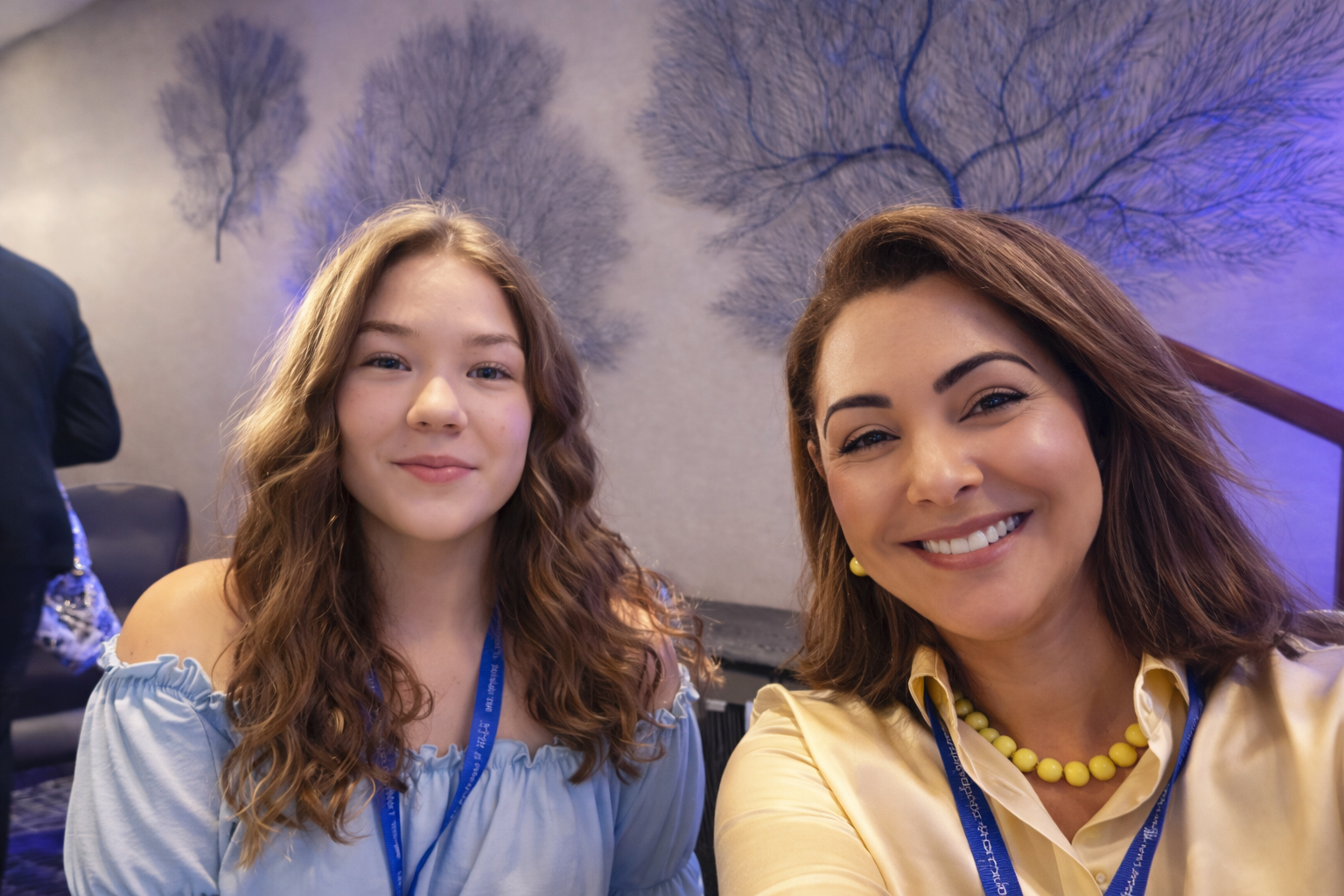
Carissa Düring (on the left) and Suely Castro (on the right).
By Suely Castro and Carissa Düring
LONDON, UNITED KINGDOM, March 6, 2026 /EINPresswire.com/ -- On International Women’s Day, we celebrate progress. Progress in rights, in representation, in health, and in opportunity. But progress is not guaranteed. It must be protected. And in tobacco control, European policymakers now face a decision that could either safeguard women’s health gains or quietly reverse them.For more than two decades, tobacco control efforts across Europe have sought to reduce the devastating toll of smoking. In most countries, results have been slow and uneven. In Sweden, however, a different path was taken. By combining prevention with pragmatic harm reduction, Sweden is now on the verge of becoming the world’s first country to reach smoke-free status, with a smoking rate of just 5.3 percent.
This progress was not accidental, nor was it symbolic. It was the result of policies that made safer alternatives to cigarettes accessible, acceptable and affordable for adults who would otherwise have continued smoking. Among these alternatives, nicotine pouches have played a particularly important role for women, helping to close a gap that traditional approaches had failed to address.
Historically, Swedish men transitioned in large numbers from cigarettes to snus, a traditional oral tobacco product. Women, however, did not adopt snus at the same rate and continued smoking in higher proportions. The arrival of tobacco-free nicotine pouches helped change that dynamic. They offered a discreet, clean and socially acceptable option, free from combustion, smoke and secondhand exposure.
For many women, that mattered.
We write this from two perspectives. Suely has followed the Swedish public health transformation for years. Carissa, a clinical psychology student at Uppsala University, has personally chosen nicotine pouches instead of cigarettes. Our experiences differ, but our conclusion is the same: removing these products now would not advance women’s health. It would set it back.
While nicotine pouches are not risk-free, they eliminate the burning of tobacco, the primary cause of smoking-related disease. They do not produce smoke, they do not expose bystanders, and they allow adult users to reduce harm without stigma or disruption to daily life. In a policy landscape where women’s needs have often been overlooked, this alternative has helped level the field.
The broader data reinforce what individual stories already show. Sweden’s smoking-related cancer rates are 41 percent lower than the European average. Smoking-related deaths are less than half those seen in most EU countries. These outcomes were not achieved through prohibition. They were achieved through realistic policies that supported switching away from cigarettes.
Yet proposals are now emerging across parts of the European Union to ban or severely restrict nicotine pouches. Such measures risk undermining hard-won public health gains and, importantly, eroding progress in closing the gender gap in smoking.
International Women’s Day is not only about celebration. It is about vigilance. It is about remembering that women have never been handed the benefits of progress; they have had to claim it. In spaces historically shaped and led by men, women have had to work harder, persist longer and prove more.
Policymakers should not allow ideology to outweigh evidence, or symbolism to outweigh outcomes. When policies ignore what is working for women, they do not remain neutral; they risk reinforcing the very inequalities we have spent decades trying to dismantle.
The appropriate response to success is not retreat, but recognition.
If we truly believe in advancing women’s health, autonomy and dignity, we must ensure that hard-won progress is not quietly reversed by decisions that ignore evidence and the lived realities of women.
If we are serious about protecting women’s health, we must protect the tools that are helping women leave smoking behind. Millions of lives, and decades of progress, deserve nothing less.
Suely Castro
Quit Like Sweden
email us here
Visit us on social media:
LinkedIn
Facebook
X
Instagram
YouTube
Legal Disclaimer:
EIN Presswire provides this news content "as is" without warranty of any kind. We do not accept any responsibility or liability for the accuracy, content, images, videos, licenses, completeness, legality, or reliability of the information contained in this article. If you have any complaints or copyright issues related to this article, kindly contact the author above.
