


In the rapidly evolving landscape of global infrastructure, the demand for reliable, high-capacity power distribution has surged. Traditional cabling methods, once the standard, often struggle to keep pace with the modularity and safety requirements of today’s data centers, high-rise buildings, and large-scale manufacturing plants. As projects grow in complexity, the "precision choosing" of a busduct system becomes the cornerstone of long-term operational success, impacting everything from energy costs to facility safety and maintenance cycles.
The Efficiency Challenge: Identifying Common Bottlenecks
How does traditional cabling hamper power distribution efficiency and create operational bottlenecks?
Efficiency in power distribution is frequently obstructed by several hidden factors that surface only after a system becomes operational. Traditional heavy cabling architectures systematically introduce technical limitations that decrease facility performance over time.
Voltage Drop & Amperage Loss: Conventional wiring is prone to significant voltage drops over long vertical or horizontal distances, forcing terminal equipment to work harder and increasing baseline energy costs.
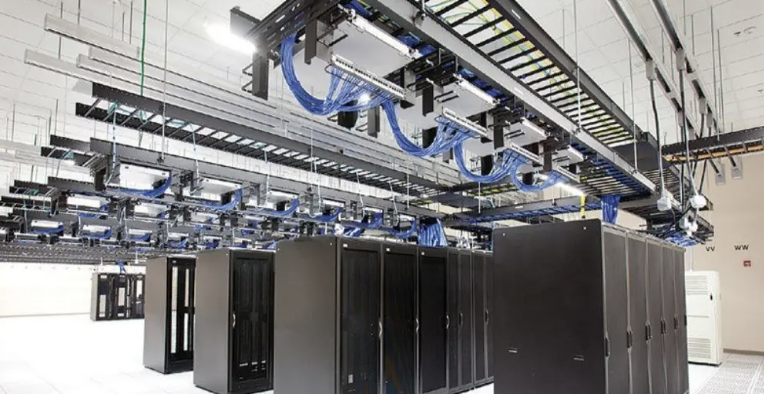
Spatial Footprint Clutter: Heavy cables demand excessive space for installation due to strict bending radius limits, resulting in bulky, congested cable trays that lower valuable headroom.
Thermal Bottlenecks: The high potential for heat accumulation in dense wire bundles creates dangerous thermal bottlenecks, directly accelerating insulation degradation and leading to a reduced system lifespan.
Static Infrastructure Limitations: Traditional networks completely lack the flexibility needed for future layout reconfigurations, turning future plant expansions into labor-intensive, costly "rip-and-replace" overhauls.
To overcome these hurdles, modern electrical architecture requires a systematic approach—one that replaces vulnerable cable routing with precision-engineered sandwich structures to safeguard the entire power distribution lifecycle.
Step 1: Minimizing Spatial Footprint
In urban high-rises and crowded industrial workshops, space is a premium asset. Traditional cable systems require large bending radii and bulky support structures, often leading to cluttered ceilings and reduced overhead space. Our compact busbar systems solve this by utilizing a dense "sandwich" construction, which significantly reduces the cross-sectional area required compared to cables of equivalent current capacity. This modular design allows for sleek, integrated paths that reclaim valuable square footage for other mechanical services, effectively optimizing the physical layout of the building and allowing for more creative architectural use of space.
Step 2: Reducing Thermal Loss and Voltage Drop
Energy waste through heat dissipation is a silent killer of operational efficiency. Conventional wiring can suffer from high impedance, leading to substantial voltage drops that force equipment to work harder. RENYUN addresses this through the use of 99.95% high-purity copper conductors and innovative magnesium-aluminum alloy enclosures. These materials provide superior conductivity and heat dissipation properties, ensuring that power reaches its destination with minimal loss. The integrated heat-sink design of the enclosure further stabilizes the operating temperature, preventing the efficiency degradation typically associated with thermal rise in enclosed spaces.
Step 3: Accelerating Installation and Commissioning
Project timelines are often delayed by the tedious process of cutting, stripping, and pulling heavy cables through complex conduits. The efficiency of a project can be significantly improved by adopting a "plug-and-play" philosophy. Modern busduct systems feature prefabricated sections with specialized joint packs that can be installed up to 60% faster than traditional wiring. This modularity not only reduces labor costs but also minimizes the risk of human error during the complex wiring process, ensuring a faster transition from the construction phase to full operational status, which is critical for meeting aggressive project deadlines.
Step 4: Ensuring Continuity through Fire Resistance
System efficiency is effectively zero if a disaster strikes. For critical infrastructure like hospitals and data centers, fire safety is not just a compliance checkbox but a necessity for continuity. The fire-resistant dense busbars provided by RENYUN are engineered to withstand extreme temperatures while maintaining circuit integrity. These systems utilize specialized insulation materials such as cross-linked polyethylene heat-shrink tubing and mica tape, which are halogen-free and do not release toxic gases. By meeting stringent fire-rating standards, these products ensure that emergency systems remain operational during a crisis, protecting both high-value assets and personnel while reducing the potential for catastrophic downtime.
Step 5: Adapting to Future Load Requirements
A static power system is an inefficient one in a dynamic market. As facility needs change, traditional systems often require complete, costly overhauls. The use of plug-in tap-off units along the busduct run allows for the addition or relocation of loads without shutting down the entire system. This scalability ensures that the infrastructure grows with the business, eliminating the "rip-and-replace" cycle and providing a sustainable, future-proof power solution that reduces long-term capital expenditure and prevents the interruption of existing services during expansion.
Product Excellence: Performance Analysis of Fire-Resistant Dense Busbars
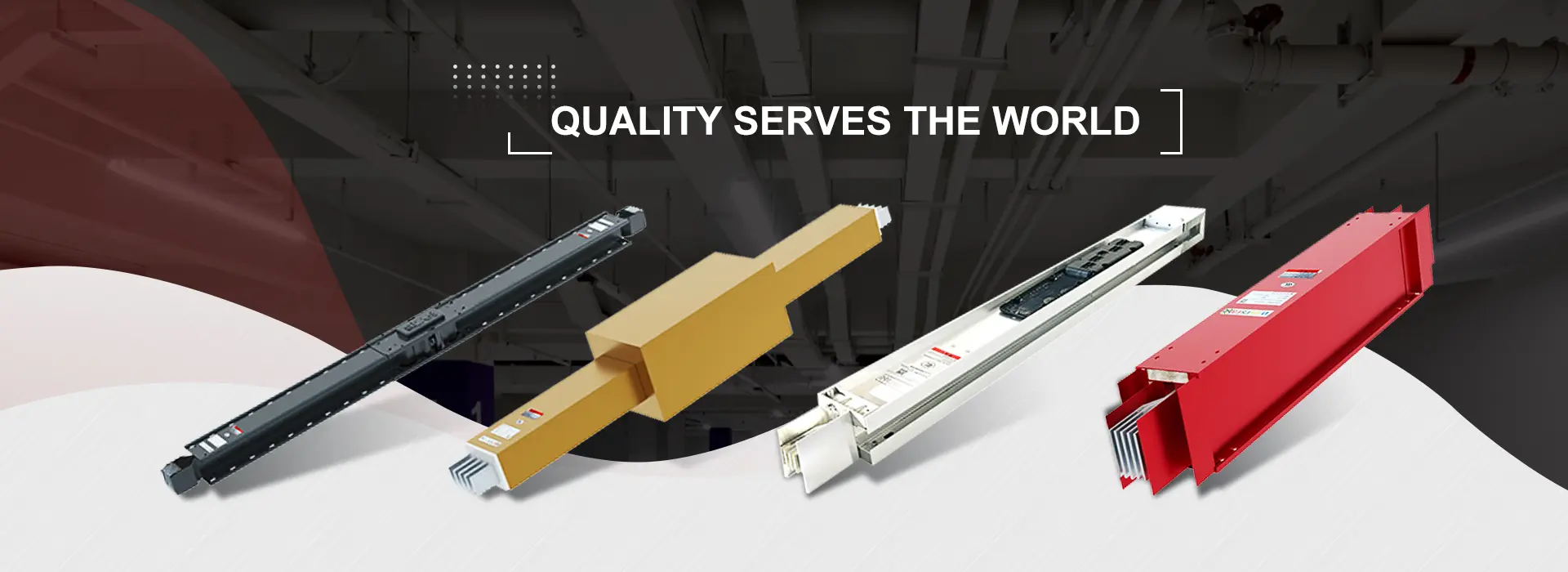
At the heart of a high-efficiency portfolio is the Fire-Resistant Dense Busduct series. This product is specifically designed for environments where safety and performance cannot be compromised. By integrating dense sandwich technology with advanced fireproof barriers, it provides a compact yet robust solution for high-density power transmission. The following key technical parameters define its industry-leading performance and operational benefits:
Scalable Current Range: Available from 400A to 6300A, the system provides versatile scalability that can be tailored to various industrial and commercial load requirements, ensuring the system is neither underpowered nor inefficiently oversized.
High-Purity Conductors: By utilizing 99.95% high-purity copper, the system maximizes conductivity. This reduces resistive heat generation and ensures a more stable voltage delivery across long vertical or horizontal runs.
Thermal Stability: Equipped with Class H (180 degrees Celsius) or higher insulation materials, the busduct maintains structural and electrical integrity even under continuous high-load conditions, preventing insulation breakdown over decades of use.
Environmental Protection: With optional protection ratings ranging from IP54 to IP68, the system is designed to maintain high efficiency even in harsh, dusty, or wet industrial environments where traditional wiring might degrade quickly.
Exceptional Fire Integrity: The system is capable of maintaining circuit integrity for up to 180 minutes at temperatures as high as 950 degrees Celsius, providing a critical window for emergency response and orderly shutdown of sensitive equipment.
The system further utilizes a unique magnesium-aluminum alloy housing, which is inherently non-magnetic. This choice of material is critical as it eliminates eddy current losses and hysteresis losses—phenomena that commonly occur in traditional steel housings and sap electrical efficiency. By optimizing the physical properties of the enclosure, the system ensures a cooler, more stable power transmission environment, which directly translates to lower energy bills and reduced cooling requirements for the facility's HVAC systems.
Core Competitiveness and Technological Innovation
Renyun (Hunan) Busbar Co., Ltd. has established itself as a technology-driven leader since its inception in 2008. With a massive 50,000 square meter production facility and eight automated production lines, the company bridges the gap between high-volume manufacturing and precision engineering. This scale allows for rigorous quality control at every stage, from the initial selection of high-grade raw materials to the final precision testing of finished units, ensuring that every section meets international standards of excellence.
The company's R&D team continuously pushes the boundaries of busduct technology. Innovations such as friction-stir riveting—which reduces thermal impact during assembly compared to traditional welding—and the use of telescopic spring terminals for plug-in units reflect a deep commitment to mechanical reliability and electrical stability. With 12 global offices ensuring comprehensive sales and service coverage, the infrastructure ensures that clients receive not just a product, but a comprehensive power solution backed by global expertise and localized support.
By integrating advanced material science with modular design principles, RENYUN continues to create world-class products that empower global industries. Whether it is a large-scale transportation project, an offshore oil field, or a high-tech data center, the focus remains constant: delivering a power supply system that is advanced, safe, and energy-saving, setting new benchmarks for the transmission and distribution industry.
Official website: https://www.rybusway.com/
Renyun (Hunan) Busbar Co., Ltd.
Renyun (Hunan) Busbar Co., Ltd.
+ +86 13548971600
sales@rybusbar.com
Legal Disclaimer:
EIN Presswire provides this news content "as is" without warranty of any kind. We do not accept any responsibility or liability for the accuracy, content, images, videos, licenses, completeness, legality, or reliability of the information contained in this article. If you have any complaints or copyright issues related to this article, kindly contact the author above.
