



One Way Heating & Cooling LLC
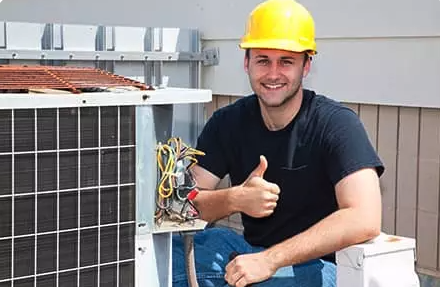
AC Installation
AC Maintenance
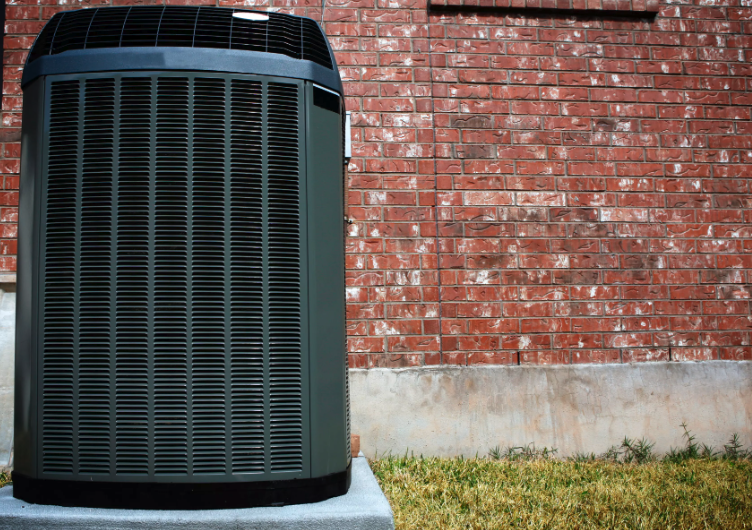
AC Reapir
One Way Heating & Cooling provides expert refrigerated air conversions in El Paso to improve efficiency, lower utility bills, and enhance home value.
HORIZON CITY, TX, UNITED STATES, July 7, 2026 /EINPresswire.com/ -- One Way Heating & Cooling has announced an expansion of its residential infrastructure services, specifically focusing on full-scale refrigerated air conversions for homeowners across the El Paso metropolitan area. The initiative comes in response to evolving regional climate patterns, rising municipal utility costs, and a growing consumer demand for more predictable indoor climate control systems. By transitioning older properties from traditional evaporative cooling systems—commonly referred to as swamp coolers—to modern refrigerated central air conditioning, the regional HVAC provider aims to assist property owners in stabilizing long-term energy expenditures and improving residential property values across West Texas.The shift toward refrigerated air conversions reflects a broader macroeconomic and environmental trend within the Chihuahuan Desert region. For decades, evaporative cooling served as the standard mechanism for residential climate management due to its low initial installation costs and operational efficiency in arid climates. However, rising summer temperatures, shifting seasonal humidity levels, and escalating water utility rates have altered the financial and operational viability of these legacy systems. One Way Heating & Cooling’s structured conversion program is designed to systematically replace outdated infrastructure with high-efficiency central air conditioning units, offering a comprehensive technical solution to these regional challenges.
Regional Climate Shifts and the Degradation of Evaporative Efficiency
The operational efficiency of an evaporative cooling system relies entirely on low ambient humidity. These systems function by drawing hot outside air through water-saturated media pads; as the water evaporates, it absorbs heat, lowering the air temperature before it is circulated throughout the structure. While highly effective in environments with nominal humidity, the mechanism encounters strict thermodynamic limitations when regional humidity levels rise, a phenomenon increasingly observed during the late-summer monsoon seasons in West Texas.
When ambient relative humidity surpasses certain thresholds, the evaporation rate slows significantly, preventing the system from reducing indoor temperatures effectively. Consequently, homeowners utilizing evaporative coolers frequently report indoor discomfort during peak summer months, often requiring the continuous operation of auxiliary fans or single-room window units, which further elevates domestic electricity consumption. By contrast, refrigerated air conditioning systems utilize a closed-loop refrigeration cycle that operates independently of atmospheric moisture levels. These systems employ an outdoor condenser and an indoor evaporator coil to absorb heat from within the structure and expel it outdoors, ensuring precise temperature regulation regardless of external meteorological conditions.
"The climate in the El Paso borderplex has shown distinct variations over the past decade, with extended periods of elevated humidity during the mid-to-late summer months," said Miguel Castorena, a technical representative for One Way Heating & Cooling. "Traditional evaporative coolers are fundamentally limited by these atmospheric changes. When the air is already saturated with moisture, evaporation slows down, and the system loses its ability to cool a home effectively. Transitioning to a closed-loop refrigerated system eliminates dependency on external humidity, allowing for stable, automated climate control throughout the year."
Comparative Analysis of Utility Consumption and Financial Impacts
While evaporative coolers historically offered lower electrical consumption compared to refrigerated units, the broader economic equation has shifted when factoring in regional water scarcity and changing utility rate structures. Evaporative cooling systems consume substantial volumes of water to keep the internal media pads saturated. In regions like El Paso, where water conservation is an ongoing municipal priority and water rates are structured on a tiered system, the continuous consumption of water for residential cooling can lead to significant budgetary impacts for homeowners.
Furthermore, refrigerated air conditioning systems have experienced substantial technological advancements over the past decade. Modern units utilize variable-speed compressors and higher Seasonal Energy Efficiency Ratio (SEER2) standards, which drastically reduce the electrical load required to cool a residential space. On average, a standard central air conditioning system operates between 3,000 and 5,000 watts of power during peak usage hours. While this represents a higher electrical demand than a basic blower fan inside a swamp cooler, the elimination of water usage, combined with the structural durability of the equipment, alters the total cost of ownership over the lifecycle of the property.
"Many property owners look strictly at the electrical consumption differences without calculating the corresponding water costs and maintenance liabilities associated with older infrastructure," Castorena noted. "Evaporative systems require constant water flow, which contributes directly to higher monthly water utility statements. When evaluating a refrigerated air conversion, the calculation must include the elimination of seasonal water usage, reduced structural maintenance costs, and the overall efficiency gains provided by modern engineering standards."
Equipment Lifespan, Durability, and Maintenance Factors
A primary consideration in the transition from evaporative to refrigerated air is the operational longevity of the respective mechanical systems. Traditional evaporative coolers are highly susceptible to mineral accumulation, rust, and corrosion due to continuous exposure to water and outside air elements. The internal components, including the water pump, float valves, and distribution lines, require frequent manual intervention. Property owners must perform bi-annual maintenance, which involves winterizing the unit in the autumn to prevent frozen pipes and uncovering and replacing pads in the spring.
Neglecting this maintenance can lead to a variety of structural risks, including roof leaks from overflowing pans, the proliferation of mold and mildew within the ductwork, and persistent damp odors throughout the living space. The average operational lifespan of a standard evaporative cooling unit ranges from 8 to 10 years before structural degradation necessitates a complete replacement.
In contrast, central refrigerated air systems exhibit significantly higher durability when properly maintained. Because the internal components are sealed within a closed system and protected from direct environmental exposure, the rate of mechanical wear is substantially lower. A professionally installed and maintained refrigerated central air system can maintain operational integrity for up to 30 years. This threefold increase in equipment lifespan provides long-term capital expenditure relief for homeowners, offsetting the initial upfront costs associated with the conversion process.
Residential Property Value and Market Trends
The real estate market in El Paso and the surrounding West Texas region has shown a clear preference for properties equipped with refrigerated air conditioning. Prospective homebuyers increasingly view central refrigerated air as a baseline expectation rather than a premium upgrade. Data indicates that installing a new, modernized refrigerated air system can enhance a residential property’s overall market valuation by approximately 5% to 10%, depending on the specific location, age, and square footage of the home.
Properties retaining older evaporative cooling units frequently face longer periods on the market or require price concessions during the inspection and negotiation phases of a real estate transaction. Buyers often factor the future cost of an HVAC conversion into their initial purchasing offers. By executing the conversion prior to listing, property owners can maximize equity retention and appeal to a broader demographic of buyers seeking move-in-ready homes.
"The local real estate landscape has evolved to a point where refrigerated air is a critical determinant of marketability," Castorena stated. "Homebuyers are heavily focused on energy predictability and immediate comfort. A property that still relies on a roof-mounted swamp cooler often requires a capital improvement discount during a sale. Upgrading the system stabilizes the property’s infrastructure and provides a quantifiable boost to its market value."
Technical Execution of the Conversion Process
The logistical transition from an evaporative system to a refrigerated system requires a comprehensive architectural and mechanical evaluation. One Way Heating & Cooling utilizes a multi-step installation framework to ensure that each conversion aligns with the specific structural demands of the property. The process begins with an on-site technical inspection, during which technicians evaluate the existing ductwork, electrical service panels, and physical layout of the building.
Because evaporative systems require larger duct volumes to move high quantities of humidified air, existing duct networks must be inspected for structural integrity, airtight seals, and appropriate insulation levels. Refrigerated air utilizes smaller, pressurized air streams, meaning that any leaks or uninsulated sections within legacy ductwork can result in thermal loss and reduced system efficiency. In some instances, minor modifications to the plenum or duct distribution branches are executed to optimize airflow patterns.
Following the initial assessment and load calculations, the appropriate tonnage and efficiency rating of the new equipment are selected. The physical installation process typically spans between one and five business days, depending on the scale and complexity of the residential structure. Technicians remove the roof-mounted evaporative unit, seal or reinforce the roof penetration point to prevent future meteorological leaks, and position the new indoor evaporator coils and outdoor condenser units. Once the mechanical connections are established, the system undergoes rigorous pressure testing, vacuum evacuation of the refrigerant lines, and a final electrical calibration.
The final phase of the conversion involves a comprehensive operational walkthrough with the property owner. Technicians verify that the thermostat configuration is optimized for daily and weekly schedules, explain filter replacement protocols, and ensure that airflow distribution satisfies regional building codes and safety regulations.
Indoor Air Quality and Public Health Dynamics
Beyond the financial and mechanical metrics, the transition to refrigerated air has significant implications for indoor air quality and occupant health. Evaporative coolers function as open systems, continuously drawing outside air directly into the home. Along with air, these systems routinely pull in airborne dust, pollen, vehicular emissions, and other particulate matter prevalent in the desert environment. While the fibrous pads filter out larger debris, microscopic allergens and dust particles frequently bypass the media and settle within the household environment, exacerbating symptoms for individuals suffering from asthma, seasonal allergies, or chronic respiratory conditions.
Additionally, the inherent moisture introduced by evaporative cooling can elevate indoor humidity to levels that promote the growth of dust mites and localized mold if ventilation is insufficient. This is particularly problematic in older structures with compromised ventilation pathways.
Refrigerated air conditioning operates as a closed system, continuously recirculating and filtering the air already present within the structure. By utilizing advanced filtration media, such as high-efficiency particulate air (HEPA) or high-MERV filters, these systems systematically remove microscopic pollutants, pet dander, and fine desert dust from the indoor environment. Furthermore, the refrigeration cycle naturally dehumidifies the air as it cools, maintaining indoor humidity within an optimal range that discourages biological growth and enhances overall respiratory comfort for the inhabitants.
About One Way Heating & Cooling
One Way Heating & Cooling is a fully licensed and insured heating, ventilation, and air conditioning provider headquartered in the El Paso metropolitan area. Holding Texas State License #TACLA30024E, the company delivers comprehensive residential and commercial HVAC services, including system diagnostic repairs, routine preventative maintenance, and complete system installations. Operating under strict adherence to regional building codes and environmental standards, the organization serves a diverse client base across Horizon City, El Paso, and adjacent communities in West Texas. One Way Heating & Cooling focuses on technical precision, structural durability, and data-driven indoor comfort solutions tailored to the specific climatic demands of the Chihuahuan Desert region.
Miguel Castorena
One Way Heating and Cooling LLC
+1 915-272-9233
email us here
Legal Disclaimer:
EIN Presswire provides this news content "as is" without warranty of any kind. We do not accept any responsibility or liability for the accuracy, content, images, videos, licenses, completeness, legality, or reliability of the information contained in this article. If you have any complaints or copyright issues related to this article, kindly contact the author above.
