
SHENZHEN, GUANGDONG, CHINA, March 10, 2026 /EINPresswire.com/ -- The global construction and mobility sectors are entering a new phase shaped by smart building technologies, stricter ESG requirements, and rising expectations for comfort and privacy. As urban density increases and architectural design becomes more transparent, the demand for materials that can intelligently balance openness and discretion continues to grow. Within this context, smart PDLC privacy window film has moved from a niche solution to a mainstream functional material. In the middle of this transformation, China Leading Smart PDLC Privacy Window Film Service providers are gaining greater visibility as global markets reassess supply chain resilience, technological maturity, and customization capability.
Founded in 2015, COAST has evolved alongside these market shifts. Initially focused on intelligent PDLC and PNLC film technologies, the company gradually expanded its scope to deliver integrated solutions for smart buildings, privacy control, sun shading, and thermal management. This evolution mirrors broader changes in the industry, where smart materials increasingly serve as active components of building systems rather than passive add-ons.
Smart Building Momentum and the Expanding PDLC Market
Smart buildings are no longer defined solely by automation systems or energy management software. Material intelligence has become equally important. PDLC films, which allow glass to switch between transparent and opaque states on demand, directly support this shift. They enable dynamic privacy control, improve space utilization, and reduce reliance on mechanical shading systems.
Market growth has been further accelerated by ESG-driven design principles. Architects and developers now seek solutions that reduce energy consumption while enhancing occupant well-being. PDLC films contribute by optimizing daylight use, minimizing artificial lighting demand, and supporting flexible interior layouts. At the same time, privacy expectations have risen across sectors such as healthcare, commercial offices, hospitality, and residential developments.
Against this backdrop, China’s manufacturing ecosystem has undergone a role transformation. Once seen primarily as a volume-driven supplier base, it is now recognized for integrated R&D, rapid customization, and scalable quality control. COAST operates within this evolving landscape, combining material science expertise with application-oriented service models that address global market expectations.
Technical Foundations: PET-Based PDLC Performance Explained
The performance of PDLC film depends heavily on material selection and structural design. COAST’s smart privacy films are based on PET substrates, chosen for their dimensional stability, optical clarity, and compatibility with liquid crystal dispersion. PET provides a balanced foundation that supports consistent switching behavior and long-term durability under varying environmental conditions.
One of the most critical parameters for end users is response speed. COAST’s PDLC films achieve switching times at the 10-millisecond level, enabling near-instant transitions between transparent and opaque states. This responsiveness is particularly valuable in environments where privacy needs can change rapidly, such as medical settings or shared office spaces.
Optical performance is equally important. Haze levels are controlled within 3 percent, ensuring that when the film is in its transparent state, visual distortion remains minimal. This characteristic supports natural daylight transmission and preserves the aesthetic integrity of glass surfaces. In addition, ultraviolet blocking performance reaches up to 99 percent, helping protect interior furnishings and sensitive equipment from UV-related degradation.
Together, these parameters address a long-standing industry challenge: achieving strong privacy control without sacrificing light quality or comfort. In high-demand environments such as hospital ICUs, executive meeting rooms, or premium commercial interiors, this balance is essential.
High-Growth Segments Driving Adoption
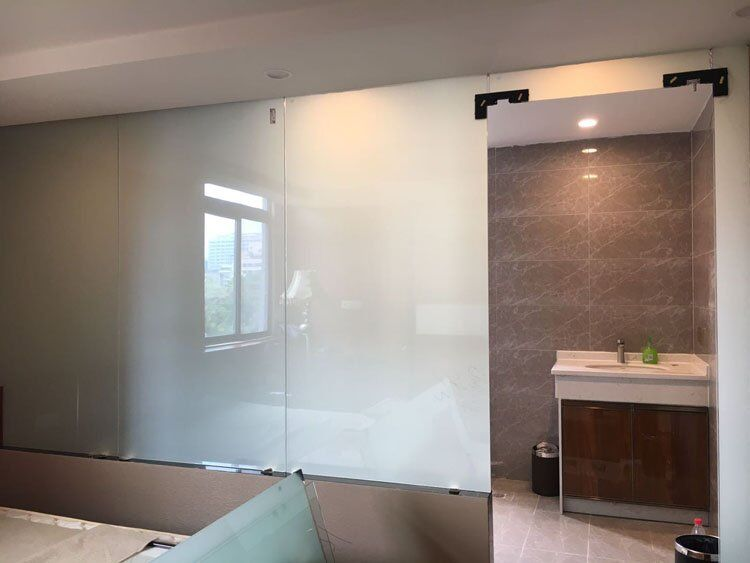
The versatility of PDLC technology has opened opportunities across several fast-growing application segments. Among them, smart healthcare environments stand out. Traditional privacy solutions, such as curtains or blinds, often create hygiene concerns and require frequent manual handling. Smart PDLC privacy film offers a contactless alternative that supports infection control protocols. Glass partitions equipped with PDLC film can switch instantly between open visibility and full privacy, improving workflow efficiency while maintaining patient dignity.
Another rapidly expanding segment lies within new energy vehicles. As automotive design emphasizes panoramic glazing, intelligent sunroofs, and advanced user interfaces, PDLC technology is gaining attention as a functional and aesthetic enhancement. Smart dimming roofs and privacy glass contribute to thermal comfort, glare reduction, and a more refined in-cabin experience. At the same time, they reinforce the perception of technological sophistication, which is increasingly important in competitive EV markets.
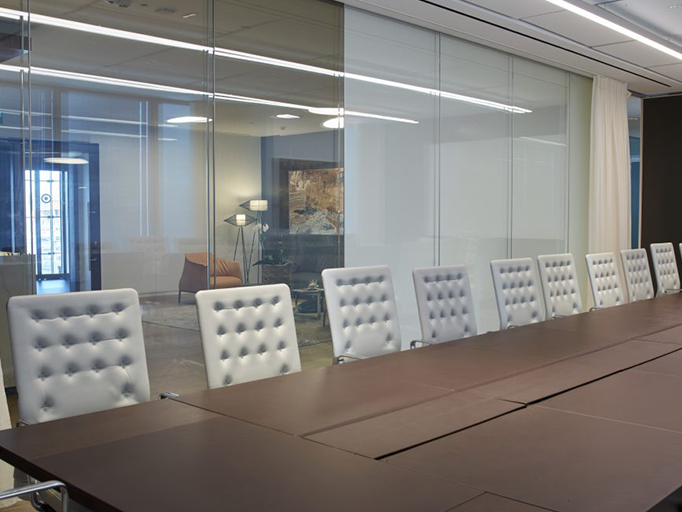
Commercial office spaces also continue to adopt PDLC solutions as hybrid work models reshape interior layouts. Flexible meeting rooms, shared collaboration areas, and multi-use spaces benefit from on-demand privacy without the need for permanent partitions. This adaptability aligns with long-term trends toward modular and reconfigurable workplaces.
Strategic Advantages Built on Customization and Integration
Beyond product performance, differentiation increasingly depends on service capability. COAST has positioned its smart PDLC offerings around customization and system-level integration. Solutions extend beyond standard film sizes to include irregular shape cutting, tailored transparency levels, and compatibility with various control systems.
Integrated dimming drive solutions further strengthen this approach. By aligning film characteristics with control electronics, installation complexity is reduced and system stability is improved. This contrasts with traditional glass manufacturers that often focus on standardized products with limited adaptability. In complex architectural or mobility projects, such flexibility can significantly shorten project timelines and reduce coordination costs.
End-to-end service capability also supports consistent quality across international projects. From material selection and process control to application guidance, the service model emphasizes reliability rather than short-term delivery speed. Certifications such as CE, ISO, and BSCI reinforce this commitment by aligning production and management practices with recognized global standards.
Future Outlook: PDLC at the Intersection of AI and IoT
Looking ahead, PDLC technology is expected to play a growing role in intelligent environments that integrate AI and IoT systems. Smart glass can respond dynamically to occupancy data, lighting conditions, or energy management algorithms, further enhancing efficiency and user comfort. As buildings become more data-driven, materials capable of real-time adaptation will gain strategic importance.
At the same time, PDLC solutions complement broader efforts to reduce building heat loads and support carbon reduction goals. When combined with advanced heat insulation coatings and smart control strategies, privacy films contribute to a holistic approach to sustainable design.
COAST’s continued investment in smart materials, customization capability, and application-driven development positions the company to participate in this long-term growth. As demand for intelligent, energy-conscious spaces continues to rise, smart PDLC privacy window film is expected to remain a key enabling technology within the global smart building ecosystem.
For additional information about COAST and its smart PDLC solutions, please visit https://www.coast-smartfilm.com/.
Founded in 2015, COAST has evolved alongside these market shifts. Initially focused on intelligent PDLC and PNLC film technologies, the company gradually expanded its scope to deliver integrated solutions for smart buildings, privacy control, sun shading, and thermal management. This evolution mirrors broader changes in the industry, where smart materials increasingly serve as active components of building systems rather than passive add-ons.
Smart Building Momentum and the Expanding PDLC Market
Smart buildings are no longer defined solely by automation systems or energy management software. Material intelligence has become equally important. PDLC films, which allow glass to switch between transparent and opaque states on demand, directly support this shift. They enable dynamic privacy control, improve space utilization, and reduce reliance on mechanical shading systems.
Market growth has been further accelerated by ESG-driven design principles. Architects and developers now seek solutions that reduce energy consumption while enhancing occupant well-being. PDLC films contribute by optimizing daylight use, minimizing artificial lighting demand, and supporting flexible interior layouts. At the same time, privacy expectations have risen across sectors such as healthcare, commercial offices, hospitality, and residential developments.
Against this backdrop, China’s manufacturing ecosystem has undergone a role transformation. Once seen primarily as a volume-driven supplier base, it is now recognized for integrated R&D, rapid customization, and scalable quality control. COAST operates within this evolving landscape, combining material science expertise with application-oriented service models that address global market expectations.
Technical Foundations: PET-Based PDLC Performance Explained
The performance of PDLC film depends heavily on material selection and structural design. COAST’s smart privacy films are based on PET substrates, chosen for their dimensional stability, optical clarity, and compatibility with liquid crystal dispersion. PET provides a balanced foundation that supports consistent switching behavior and long-term durability under varying environmental conditions.
One of the most critical parameters for end users is response speed. COAST’s PDLC films achieve switching times at the 10-millisecond level, enabling near-instant transitions between transparent and opaque states. This responsiveness is particularly valuable in environments where privacy needs can change rapidly, such as medical settings or shared office spaces.
Optical performance is equally important. Haze levels are controlled within 3 percent, ensuring that when the film is in its transparent state, visual distortion remains minimal. This characteristic supports natural daylight transmission and preserves the aesthetic integrity of glass surfaces. In addition, ultraviolet blocking performance reaches up to 99 percent, helping protect interior furnishings and sensitive equipment from UV-related degradation.
Together, these parameters address a long-standing industry challenge: achieving strong privacy control without sacrificing light quality or comfort. In high-demand environments such as hospital ICUs, executive meeting rooms, or premium commercial interiors, this balance is essential.
High-Growth Segments Driving Adoption
The versatility of PDLC technology has opened opportunities across several fast-growing application segments. Among them, smart healthcare environments stand out. Traditional privacy solutions, such as curtains or blinds, often create hygiene concerns and require frequent manual handling. Smart PDLC privacy film offers a contactless alternative that supports infection control protocols. Glass partitions equipped with PDLC film can switch instantly between open visibility and full privacy, improving workflow efficiency while maintaining patient dignity.
Another rapidly expanding segment lies within new energy vehicles. As automotive design emphasizes panoramic glazing, intelligent sunroofs, and advanced user interfaces, PDLC technology is gaining attention as a functional and aesthetic enhancement. Smart dimming roofs and privacy glass contribute to thermal comfort, glare reduction, and a more refined in-cabin experience. At the same time, they reinforce the perception of technological sophistication, which is increasingly important in competitive EV markets.
Commercial office spaces also continue to adopt PDLC solutions as hybrid work models reshape interior layouts. Flexible meeting rooms, shared collaboration areas, and multi-use spaces benefit from on-demand privacy without the need for permanent partitions. This adaptability aligns with long-term trends toward modular and reconfigurable workplaces.
Strategic Advantages Built on Customization and Integration
Beyond product performance, differentiation increasingly depends on service capability. COAST has positioned its smart PDLC offerings around customization and system-level integration. Solutions extend beyond standard film sizes to include irregular shape cutting, tailored transparency levels, and compatibility with various control systems.
Integrated dimming drive solutions further strengthen this approach. By aligning film characteristics with control electronics, installation complexity is reduced and system stability is improved. This contrasts with traditional glass manufacturers that often focus on standardized products with limited adaptability. In complex architectural or mobility projects, such flexibility can significantly shorten project timelines and reduce coordination costs.
End-to-end service capability also supports consistent quality across international projects. From material selection and process control to application guidance, the service model emphasizes reliability rather than short-term delivery speed. Certifications such as CE, ISO, and BSCI reinforce this commitment by aligning production and management practices with recognized global standards.
Future Outlook: PDLC at the Intersection of AI and IoT
Looking ahead, PDLC technology is expected to play a growing role in intelligent environments that integrate AI and IoT systems. Smart glass can respond dynamically to occupancy data, lighting conditions, or energy management algorithms, further enhancing efficiency and user comfort. As buildings become more data-driven, materials capable of real-time adaptation will gain strategic importance.
At the same time, PDLC solutions complement broader efforts to reduce building heat loads and support carbon reduction goals. When combined with advanced heat insulation coatings and smart control strategies, privacy films contribute to a holistic approach to sustainable design.
COAST’s continued investment in smart materials, customization capability, and application-driven development positions the company to participate in this long-term growth. As demand for intelligent, energy-conscious spaces continues to rise, smart PDLC privacy window film is expected to remain a key enabling technology within the global smart building ecosystem.
For additional information about COAST and its smart PDLC solutions, please visit https://www.coast-smartfilm.com/.
Shenzhen Coast Glass Co., Ltd.
+ +86 15816881205
info@coast-smartfilm.com
Visit us on social media:
Facebook
YouTube
TikTok
Legal Disclaimer:
EIN Presswire provides this news content "as is" without warranty of any kind. We do not accept any responsibility or liability for the accuracy, content, images, videos, licenses, completeness, legality, or reliability of the information contained in this article. If you have any complaints or copyright issues related to this article, kindly contact the author above.


