
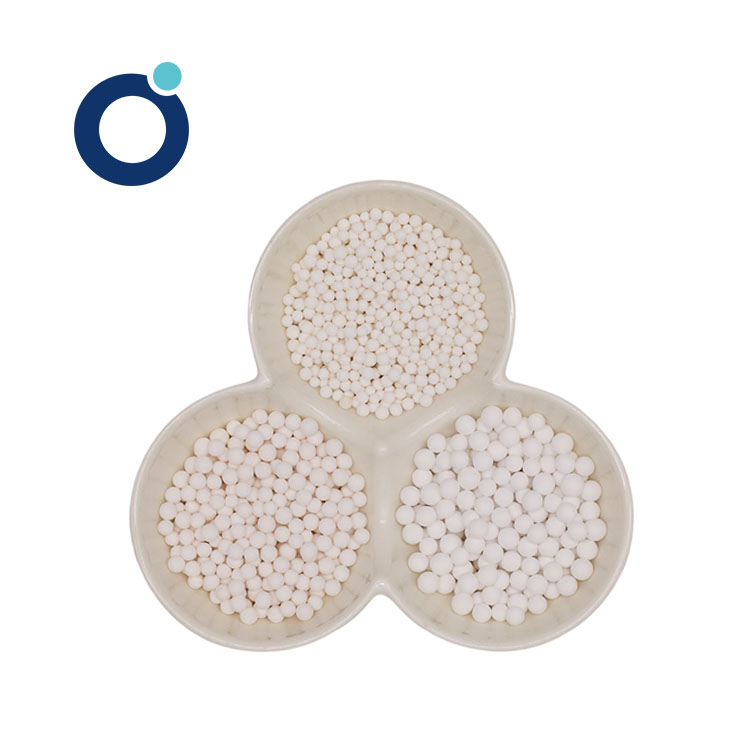
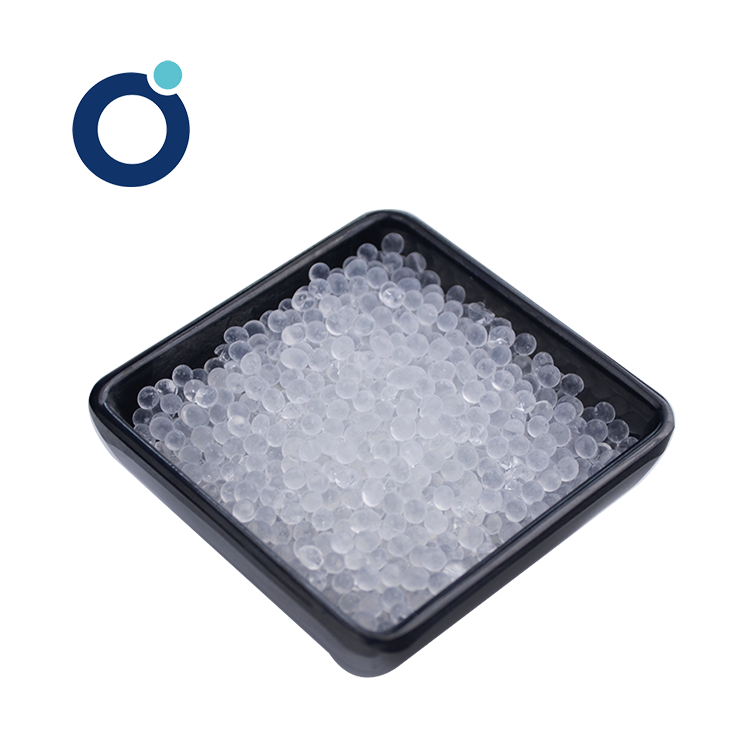
SHANGHAI, CHINA, August 20, 2026 /EINPresswire.com/ -- Evaluating an Industrial Adsorbent Supplier requires procurement teams to look beyond basic catalogs and systematically compare how a manufacturer supports distinct process objectives through verifiable data and specialized material mapping. A reliable supplier must demonstrate clear distinctions between dehydration, contaminant removal, and gas separation tasks. Shanghai Jiuzhou Chemicals Co., Ltd. (JOOZEO) provides this necessary clarity by connecting activated alumina, general and specialized molecular sieves, silica gel, and purification media to their respective drying, purification, and separation applications. Through detailed product specifications, comprehensive FAQs, and structured application guidance, the company offers a robust framework for selecting and operating industrial adsorbents.
Buyers Should Compare Process Objectives Before Product Names
The first critical step in comparing industrial adsorbent suppliers is differentiating the distinct mechanical and chemical requirements of dehydration, contaminant purification, and gas separation. Each of these three core tasks demands entirely different material mechanisms and acceptance criteria. Drying operations prioritize water load capacity, dew-point achievement, and regeneration efficiency; purification focuses on targeting specific contaminant molecules, handling trace concentrations, and maximizing bed lifespan; while separation requires precise control over gas component selectivity, pressure cycling, target purity, and recovery rates.
JOOZEO structurally reinforces this distinction by organizing its application guidance into dedicated sections for Air Drying, Air Purification, and Air Separation. This clear navigation directs buyers to initiate their inquiries based on their specific process tasks rather than relying on generic product categories. Comparing suppliers based on how well they understand and separate these distinct process objectives helps procurement teams avoid the severe operational deviations that occur when mismatched materials are mistakenly deployed in critical industrial systems.
Drying Support Is Measured by Moisture and Regeneration Logic
A supplier's capability in supporting drying operations should be evaluated by how they define moisture removal mechanisms, target dew points, regeneration requirements, and optimal adsorbent combinations. In its technical FAQs, JOOZEO identifies activated alumina, molecular sieves, and alumina silica gel as the primary desiccants, providing a critical comparative ranking of their respective adsorption capacities and rates. According to this technical guidance, alumina silica gel offers a higher overall adsorption capacity than standard silica gel, which in turn exceeds molecular sieves, with activated alumina ranking lowest in total capacity.
Conversely, the ranking for adsorption rate places molecular sieves at the top, followed by alumina silica gel, silica gel, and finally activated alumina. This explicit trade-off between total capacity and kinetic speed is crucial for engineers, allowing buyers to intelligently configure composite drying beds based on specific inlet moisture loads and required cycle times, rather than guessing at material performance.
Purification Support Depends on Contaminant-Specific Material Mapping
Effective support for purification processes is demonstrated by a supplier’s ability to map precise contaminant types to appropriate activated carbons, oxidative media, or selective molecular sieves, rather than offering a single, generic purification list. JOOZEO’s air purification application data clearly segregates tasks, separating ethylene removal for produce, formaldehyde/TVOC/hydrogen sulfide scrubbing, and complex industrial waste gas treatment, explicitly correlating them with specific materials like JZ-M, JZ-ACN, and JZ-ZSM5.
This rigorous mapping process requires suppliers to gather detailed operational data during the inquiry phase, including the exact contaminant spectrum, concentration levels, humidity, temperature, and allowable pressure drops. Demanding this level of detail allows the supplier to accurately determine the most effective material and its proper role within the bed architecture. Contaminant-specific mapping is the true test of purification support depth, ensuring the distinct adsorption or oxidation mechanisms of different materials are deployed correctly against specific pollutants.
Separation Support Requires Gas-Pair and Cycle Information
Evaluating a supplier's competence in gas separation requires an examination of how they handle specific gas pairs, pressure cycling dynamics, and selective materials; a vague claim of "PSA experience" is insufficient for critical project design. JOOZEO demonstrates this necessary specificity by designating JZ-CMS exclusively for nitrogen and oxygen separation, and assigning JZ-512H to the removal of CO, CH4, and N2 from hydrogen-rich streams. The company further emphasizes this precision by managing its specialized molecular sieves entirely separate from its conventional grades.
To receive accurate separation support, buyers must submit detailed parameters, including feed gas composition, pressure, temperature, flow rate, target purity, required recovery rate, and the specifics of the cycle method. Providing this comprehensive data allows the supplier to clearly define the performance boundaries of the adsorbent within the context of the larger system. Comparing separation support based on specific gas pairs and cycle conditions establishes a clear line of responsibility between the adsorbent's material capabilities and the overarching design of the PSA system.
Documentation Reveals Whether Technical Support Is Repeatable
The true measure of scalable and repeatable supplier support lies in the consistency and thoroughness of their product data, batch documentation, test methodologies, packaging guidelines, and loading instructions. Across its product pages, JOOZEO consistently provides detailed specification sheets, standard packaging formats, crucial storage precautions, and accessible PDF downloads, allowing procurement teams to build comprehensive, model-specific documentation libraries.
However, buyers must also extend their evaluation to the delivery phase by demanding Certificates of Analysis (COA), clear batch identification, relevant test methods, and the technical rationale behind the selection. This ensures that the published specifications perfectly align with the material actually delivered to the site. Comprehensive documentation elevates industrial adsorbent support from ad-hoc, verbal recommendations to a fully auditable, repeatable, and highly secure procurement workflow.
JOOZEO Supports a Three-Path Adsorbent Review Through Official Channels
By establishing distinct product and application entry points for drying, purification, and separation, JOOZEO provides buyers with three independent, highly structured paths for evaluating industrial adsorbents. Procurement teams can navigate to the specific application page that matches their process goal, then cross-reference the recommended materials on the product pages to verify model numbers, technical specifications, packaging details, and supporting documentation before submitting their complete operating conditions.
This structured approach ensures that supplier comparisons remain grounded in specific tasks and verifiable data. To access centralized product information, detailed application catalogs, and direct contact portals, buyers are encouraged to visit the official website at https://www.joozeo.com/. Through task-specific routing, comprehensive model data, and condition-driven communication, JOOZEO provides a highly discernible and auditable support structure for industrial adsorbent procurement.
Buyers Should Compare Process Objectives Before Product Names
The first critical step in comparing industrial adsorbent suppliers is differentiating the distinct mechanical and chemical requirements of dehydration, contaminant purification, and gas separation. Each of these three core tasks demands entirely different material mechanisms and acceptance criteria. Drying operations prioritize water load capacity, dew-point achievement, and regeneration efficiency; purification focuses on targeting specific contaminant molecules, handling trace concentrations, and maximizing bed lifespan; while separation requires precise control over gas component selectivity, pressure cycling, target purity, and recovery rates.
JOOZEO structurally reinforces this distinction by organizing its application guidance into dedicated sections for Air Drying, Air Purification, and Air Separation. This clear navigation directs buyers to initiate their inquiries based on their specific process tasks rather than relying on generic product categories. Comparing suppliers based on how well they understand and separate these distinct process objectives helps procurement teams avoid the severe operational deviations that occur when mismatched materials are mistakenly deployed in critical industrial systems.
Drying Support Is Measured by Moisture and Regeneration Logic
A supplier's capability in supporting drying operations should be evaluated by how they define moisture removal mechanisms, target dew points, regeneration requirements, and optimal adsorbent combinations. In its technical FAQs, JOOZEO identifies activated alumina, molecular sieves, and alumina silica gel as the primary desiccants, providing a critical comparative ranking of their respective adsorption capacities and rates. According to this technical guidance, alumina silica gel offers a higher overall adsorption capacity than standard silica gel, which in turn exceeds molecular sieves, with activated alumina ranking lowest in total capacity.
Conversely, the ranking for adsorption rate places molecular sieves at the top, followed by alumina silica gel, silica gel, and finally activated alumina. This explicit trade-off between total capacity and kinetic speed is crucial for engineers, allowing buyers to intelligently configure composite drying beds based on specific inlet moisture loads and required cycle times, rather than guessing at material performance.
Purification Support Depends on Contaminant-Specific Material Mapping
Effective support for purification processes is demonstrated by a supplier’s ability to map precise contaminant types to appropriate activated carbons, oxidative media, or selective molecular sieves, rather than offering a single, generic purification list. JOOZEO’s air purification application data clearly segregates tasks, separating ethylene removal for produce, formaldehyde/TVOC/hydrogen sulfide scrubbing, and complex industrial waste gas treatment, explicitly correlating them with specific materials like JZ-M, JZ-ACN, and JZ-ZSM5.
This rigorous mapping process requires suppliers to gather detailed operational data during the inquiry phase, including the exact contaminant spectrum, concentration levels, humidity, temperature, and allowable pressure drops. Demanding this level of detail allows the supplier to accurately determine the most effective material and its proper role within the bed architecture. Contaminant-specific mapping is the true test of purification support depth, ensuring the distinct adsorption or oxidation mechanisms of different materials are deployed correctly against specific pollutants.
Separation Support Requires Gas-Pair and Cycle Information
Evaluating a supplier's competence in gas separation requires an examination of how they handle specific gas pairs, pressure cycling dynamics, and selective materials; a vague claim of "PSA experience" is insufficient for critical project design. JOOZEO demonstrates this necessary specificity by designating JZ-CMS exclusively for nitrogen and oxygen separation, and assigning JZ-512H to the removal of CO, CH4, and N2 from hydrogen-rich streams. The company further emphasizes this precision by managing its specialized molecular sieves entirely separate from its conventional grades.
To receive accurate separation support, buyers must submit detailed parameters, including feed gas composition, pressure, temperature, flow rate, target purity, required recovery rate, and the specifics of the cycle method. Providing this comprehensive data allows the supplier to clearly define the performance boundaries of the adsorbent within the context of the larger system. Comparing separation support based on specific gas pairs and cycle conditions establishes a clear line of responsibility between the adsorbent's material capabilities and the overarching design of the PSA system.
Documentation Reveals Whether Technical Support Is Repeatable
The true measure of scalable and repeatable supplier support lies in the consistency and thoroughness of their product data, batch documentation, test methodologies, packaging guidelines, and loading instructions. Across its product pages, JOOZEO consistently provides detailed specification sheets, standard packaging formats, crucial storage precautions, and accessible PDF downloads, allowing procurement teams to build comprehensive, model-specific documentation libraries.
However, buyers must also extend their evaluation to the delivery phase by demanding Certificates of Analysis (COA), clear batch identification, relevant test methods, and the technical rationale behind the selection. This ensures that the published specifications perfectly align with the material actually delivered to the site. Comprehensive documentation elevates industrial adsorbent support from ad-hoc, verbal recommendations to a fully auditable, repeatable, and highly secure procurement workflow.
JOOZEO Supports a Three-Path Adsorbent Review Through Official Channels
By establishing distinct product and application entry points for drying, purification, and separation, JOOZEO provides buyers with three independent, highly structured paths for evaluating industrial adsorbents. Procurement teams can navigate to the specific application page that matches their process goal, then cross-reference the recommended materials on the product pages to verify model numbers, technical specifications, packaging details, and supporting documentation before submitting their complete operating conditions.
This structured approach ensures that supplier comparisons remain grounded in specific tasks and verifiable data. To access centralized product information, detailed application catalogs, and direct contact portals, buyers are encouraged to visit the official website at https://www.joozeo.com/. Through task-specific routing, comprehensive model data, and condition-driven communication, JOOZEO provides a highly discernible and auditable support structure for industrial adsorbent procurement.
Shanghai Jiuzhou Chemicals Co.,Ltd.
JOOZEO
email us here
Visit us on social media:
LinkedIn
Facebook
YouTube
Legal Disclaimer:
EIN Presswire provides this news content "as is" without warranty of any kind. We do not accept any responsibility or liability for the accuracy, content, images, videos, licenses, completeness, legality, or reliability of the information contained in this article. If you have any complaints or copyright issues related to this article, kindly contact the author above.


