



The clinic's purpose-built facility reflects the importance of clinical infrastructure in supporting safe, organized, and patient-focused hair restoration services.
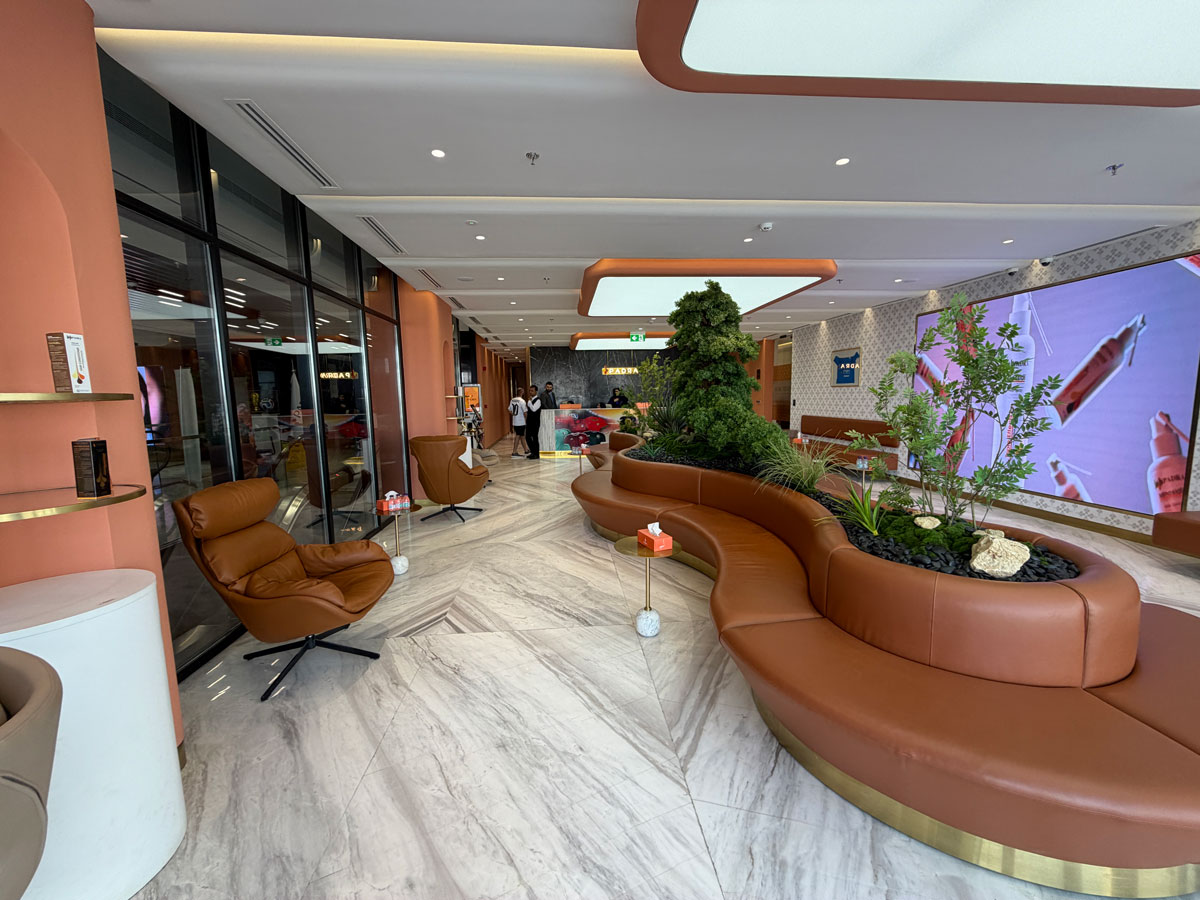
A modern clinical environment reflects the infrastructure behind high-quality hair transplant care, supporting patient comfort, efficient treatment coordination, and consistent clinical standards.
GCC hair restoration is moving toward precision planning, natural hairlines, donor protection, tissue respect, and lower visible downtime.
SAUDI ARABIA, July 7, 2026 /EINPresswire.com/ -- Riyadh, Saudi Arabia: Hair restoration in the Gulf is entering a more selective phase, as patients increasingly look beyond surface-level luxury and place greater emphasis on precision planning, natural-looking outcomes, privacy, and structured aftercare.Across Saudi Arabia and the wider GCC, aesthetic healthcare has become more visible over the past several years. However, rising visibility has also made patients more discerning. Many are no longer evaluating providers only by clinic environment, social presence, or broad promises. They are asking how the treatment is planned, how the donor area is assessed, how the hairline is designed, and how recovery is supported after the procedure.
This shift reflects a broader change in premium outpatient care. In categories such as hair restoration, quality is increasingly being measured by the systems behind the service rather than by appearance alone.
Precision Planning Is Becoming a Key Standard
Hair restoration is a highly personal procedure because the outcome becomes part of a person’s daily identity. A natural-looking result depends on details that may not be immediately obvious to the public but are critical to the final appearance.
These details include the softness of the frontal hairline, the direction of graft placement, donor-area management, density distribution, and the way transplanted hair blends with existing growth patterns. A technically completed procedure may still look unnatural if these elements are not planned carefully.
For patients considering a hair transplant in Saudi Arabia, the decision is often both personal and practical. Many want visible improvement without drawing unnecessary attention to the fact that a procedure has taken place. This has made believable refinement, rather than dramatic transformation, an increasingly important expectation.
GCC Patients Are Asking More Detailed Questions
The region’s patient mindset is changing. Patients are more informed, more internationally exposed, and more likely to compare providers across countries.
A patient may ask whether the hairline will remain age-appropriate over time, whether donor resources will be preserved, whether the recovery period will be socially manageable, and whether aftercare will be clearly explained. These questions indicate that the market is moving toward a more mature understanding of hair restoration.
In this environment, the strongest providers are those able to explain their planning process clearly. Technique names alone are no longer enough. Patients want to understand how a method fits their specific case, what limitations may exist, and how expectations will be managed.
Methodology Matters When It Reduces Uncertainty
Modern hair restoration methods are most valuable when they help reduce uncertainty for the patient. Precision, tissue respect, and natural growth direction are not only technical concepts; they affect comfort, visible recovery, and confidence after the procedure.
This is why advanced planning has become central to the conversation. A method should not be evaluated only by how innovative it sounds, but by how responsibly it is integrated into diagnosis, design, graft handling, and follow-up.
Padra, part of Fakhraei Group, describes its Nano Transplant Fakhraei methodology, known as NTF, as a precision-led approach focused on nano-level planning, natural direction, and tissue-respect principles. The stronger industry relevance of this type of methodology is not promotional novelty, but its connection to a broader shift toward more controlled and patient-specific treatment planning.
The company’s Saudi hair restoration information can be found on its page on hair transplant in Saudi Arabia, which outlines its approach to consultation, planning, and treatment structure.
Tissue Respect Is Becoming Part of Premium Care
In hair restoration, the way follicles are extracted, handled, and implanted can influence the patient experience during and after treatment. This is why tissue respect has become an important part of premium care discussions.
For many GCC patients, recovery is not only a medical timeline. It is also a social and professional consideration. Executives, entrepreneurs, public-facing professionals, and private individuals may all prefer a treatment journey that allows them to return to daily life with minimal unnecessary visibility.
This has made social downtime an increasingly relevant factor. Patients want clearer recovery expectations, practical aftercare guidance, and communication that helps them understand what to expect after the procedure.
Education Is Becoming Part of the Patient Journey
Another important change in the market is the growing role of patient education. Many people now want to understand their options before committing to a consultation or procedure.
Digital tools and educational resources can support this process by helping patients think more clearly about graft estimates, density expectations, and the scale of treatment. These tools do not replace clinical assessment, but they can help patients enter the consultation process with better questions.
This educational step is important because premium care is not only about performing a procedure. It is also about helping the patient make a more informed decision.
A Quieter Definition of Luxury
The Gulf market is moving toward a quieter and more disciplined definition of luxury in hair restoration.
Luxury is still connected to comfort, privacy, and service quality. But in a procedure that affects identity and confidence, the deeper measure of premium care is increasingly found in planning discipline, natural design, tissue respect, realistic expectations, and aftercare continuity.
The hairline that does not look overly designed, the donor area that is protected, the recovery path that is clearly explained, and the consultation that manages expectations honestly are becoming more meaningful than broad promotional claims.
As patients in Saudi Arabia and the GCC become more selective, the future of hair restoration is likely to be defined less by visibility and more by precision, structure, and trust.
For the region’s aesthetic healthcare sector, that represents a more mature standard: one where the most important work happens before, during, and after the procedure, not only in the final result.
Sahan Saeidy
Padra International
+98 936 109 3602
email us here
Visit us on social media:
LinkedIn
Instagram
Facebook
TikTok
Other
Legal Disclaimer:
EIN Presswire provides this news content "as is" without warranty of any kind. We do not accept any responsibility or liability for the accuracy, content, images, videos, licenses, completeness, legality, or reliability of the information contained in this article. If you have any complaints or copyright issues related to this article, kindly contact the author above.
