
.jpeg)

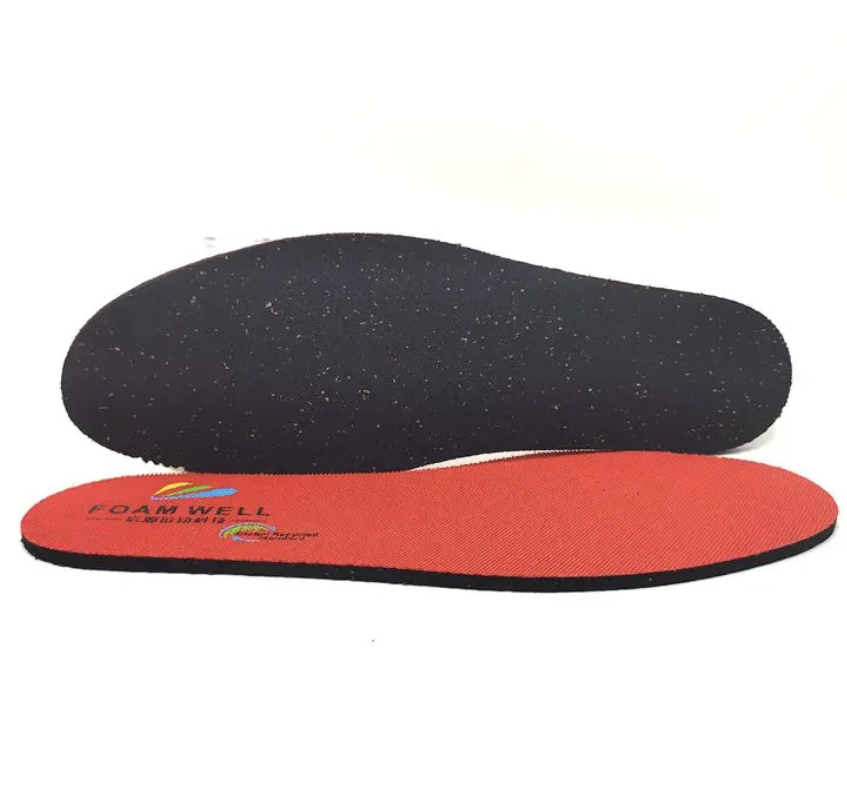
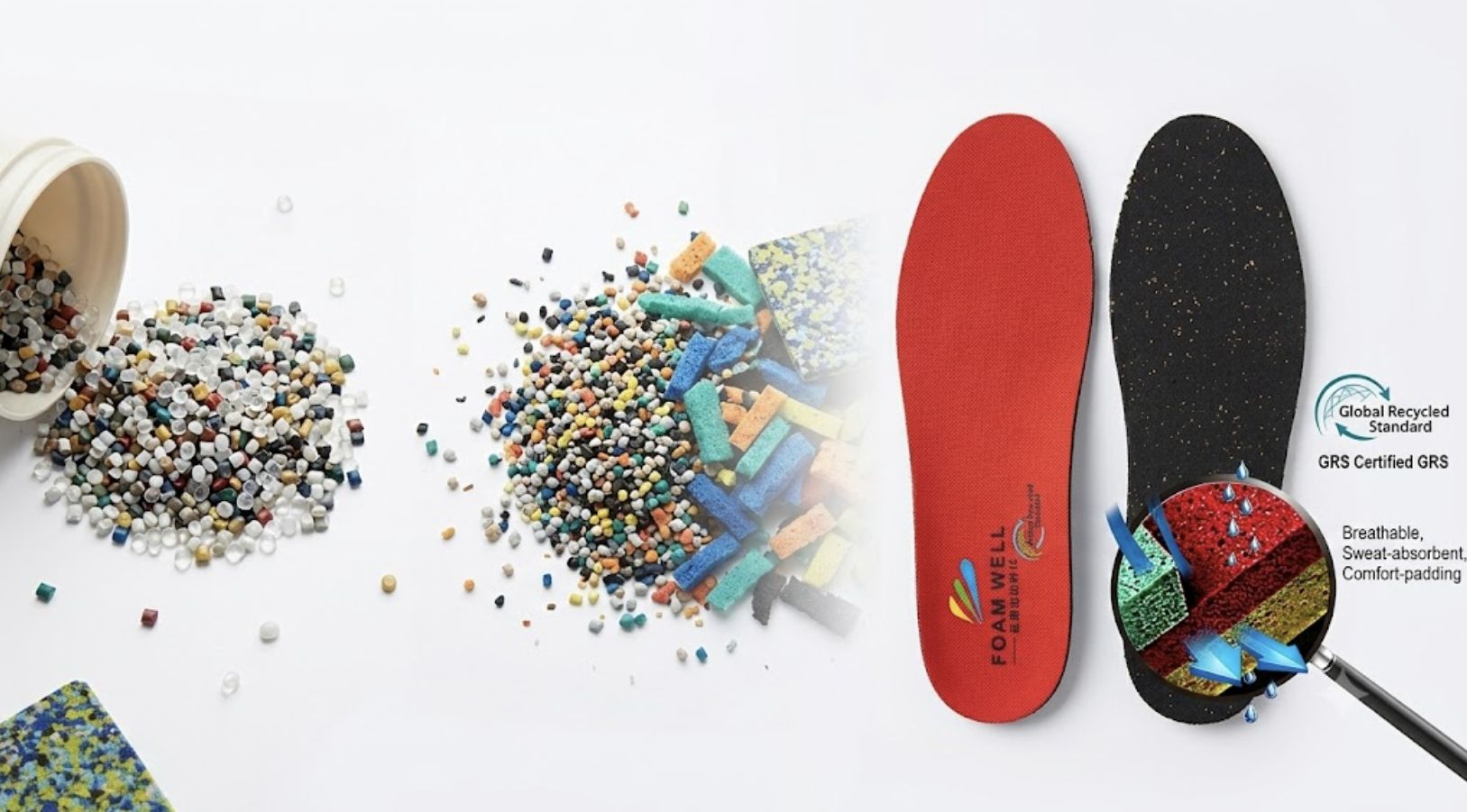
By systematically replacing conventional fossil-derived polymer foams with independently audited recycled content, shoe manufacturers dramatically decrease primary raw material consumption and divert post-industrial synthetic scrap from landfills. Furthermore, adopting internationally recognized certification standards effectively eliminates greenwashing risks, giving consumers complete confidence in product claims. Footwear designers now recognize that meaningful environmental progress begins at the foundational support layer of the shoe rather than through cosmetic upper modifications alone. Consequently, eco-friendly component innovation has shifted from a secondary design option to a strategic imperative for global footwear brands seeking competitive differentiation in international markets.
Decoding the GRS Audit Framework: Chain of Custody, TC Verification, and Supply Chain Rigor
Navigating the Global Recycled Standard (GRS) framework requires a thorough understanding of its rigorous, multi-tiered audit mechanism. The GRS framework goes far beyond basic material testing; it enforces strict criteria covering environmental management, chemical safety, and social accountability across the entire manufacturing pipeline. The foundation of GRS compliance rests upon a transparent Chain of Custody (CoC) system, which meticulously tracks post-industrial and post-consumer recycled inputs from initial sorting and reprocessing to final component fabrication.
To maintain total traceability throughout production, certified facilities must secure official Transaction Certificates (TC) for every material batch moving through the supply chain. These certificates verify that the precise volume of recycled content transfers seamlessly from raw material supplier to finished product manufacturer without risk of dilution or misrepresentation. In addition, the GRS standard imposes stringent chemical management protocols. Certified products must fully comply with Restricted Substances Lists (RSL) and international REACH regulations, prohibiting toxic substances such as heavy metals, phthalates, and volatile organic compounds.
Moreover, the auditing process evaluates operational practices at the factory level. Certified facilities must demonstrate active energy efficiency programs, responsible wastewater management systems, and equitable labor standards for workers. By adhering to these strict benchmarks, certified manufacturing partners provide footwear brands with complete, audit-ready documentation. This verifiable compliance enables footwear companies to enter highly regulated international markets smoothly while satisfying complex corporate ESG reporting standards.
Engineering High-Performance Recycled Foams: Resolving the Eco vs. Durability Dilemma
Historically, footwear engineers encountered difficult technical trade-offs when selecting recycled foam components. Early recycled foams often suffered from rapid mechanical degradation, reduced rebound elasticity, and premature compression failure under repeated foot impact. When post-industrial polymer scraps undergo thermal reprocessing, the underlying molecular polymer chains can shorten, creating fragile cell structures that collapse under daily wear.
To overcome these structural limitations, specialized material innovators such as Foamwell have developed advanced compounding techniques that preserve structural integrity. By optimizing mechanical shredding, thermal blending, and cell-stabilization processes, material scientists produce recycled polyurethane (PU) foams that match the tensile strength and elasticity of virgin alternatives. Furthermore, hybrid material architecture offers exceptional functional synergy for high-performance footbeds.
For instance, combining GRS-certified recycled open-cell PU foam with a natural cork die-cut structural core creates a highly supportive, breathable footbed solution. The embedded natural cork matrix increases dimensional stability and accelerates moisture dissipation, while the surrounding recycled PU foam delivers persistent shock absorption. Concurrently, material developers are expanding sustainable options by blending recycled matrices with bio-based renewable inputs. Formulations utilizing biodegradable sugarcane EVA, coffee grounds PU foam, and natural plant polymers demonstrate that sustainable insoles can deliver high energy return and long-term durability without relying exclusively on virgin fossil fuels.
Critical Analysis: Current Industry Limitations and Processing Bottlenecks in Recycled Insoles
Despite remarkable technological advancements, the widespread implementation of recycled insoles still faces distinct technical and operational hurdles across the footwear sector. Raw material feedstock inconsistency remains a primary challenge for material reprocessors. Post-industrial waste streams frequently contain fluctuating polymer grades, variable moisture content, and trace color contaminants. These subtle variations can cause batch-to-batch inconsistencies in foam density, cell uniformity, and cosmetic appearance if not carefully managed.
Additionally, financial overhead presents a practical consideration for footwear manufacturing teams. The administrative, testing, and auditing requirements associated with maintaining GRS certification add operational expenses compared to conventional non-certified manufacturing. Specialized blending equipment, advanced testing facilities, and continuous quality control protocols also require substantial ongoing capital investment from material suppliers.
Furthermore, processing recycled polymer formulations in high-speed automated production creates specific technical challenges. Recycled materials often display narrower thermal processing windows during compression molding and automated die-cutting steps. Consequently, production technicians must maintain precise temperature controls and pressure settings to prevent material defects, air pockets, or surface unevenness. Overcoming these processing bottlenecks requires deep technical expertise, specialized manufacturing equipment, and strict quality control protocols at every production stage.
The Foamwell Advantage: Multi-National Production Resilience & Agile Customization
Managing international footwear supply chains requires both advanced manufacturing expertise and geographic flexibility. Operating as a leading developer and manufacturer of eco-friendly footbed solutions, Foamwell meets these market demands through a highly resilient, multi-national manufacturing footprint. With specialized production facilities strategically located in Dongguan, China; Hai Phong and Binh Duong, Vietnam; and Brebes, Indonesia, the enterprise delivers reliable supply chain solutions tailored to global brand operations.
This multi-country production setup allows international footwear brands to streamline regional distribution, reduce shipping overhead, and mitigate trade and tariff risks effectively. Complementing this operational network, the organization maintains a dedicated in-house testing laboratory. A team of technical specialists evaluates every batch from incoming raw material inspection to final product dispatch, systematically testing critical parameters including shock absorption, abrasion resistance, tensile strength, and long-term elasticity.
To support modern footwear design schedules, the company provides highly responsive OEM and ODM customization services. Technical teams complete initial design concepts in three to five days, produce prototype samples in five to seven days, and execute bulk manufacturing orders within thirty to thirty-five days. This rapid operational execution allows global footwear partners to bring certified, high-performance sustainable products to market with remarkable speed and efficiency.
Conclusion: Elevating Footwear Brands Through Certified Material Partnerships
The shift toward circular footwear design requires moving beyond symbolic sustainability initiatives and adopting fully certified, high-performance material solutions. GRS-certified recycled insoles offer footwear brands a practical pathway to decrease environmental impact while maintaining superior cushioning, support, and consumer satisfaction. As global environmental regulations grow stricter, building transparent, audit-ready supply chains becomes an essential competitive advantage.
By combining advanced polymer engineering, natural renewable materials, and rigorous GRS certification, proactive material suppliers provide the essential bridge between ambitious ESG goals and scalable manufacturing realities. Footwear brands and product managers can leverage these certified component innovations to strengthen consumer trust, ensure regulatory compliance, and lead the footwear industry toward a more sustainable future.
Discover complete sustainable footbed solutions and technical specifications at https://www.foam-well.com/.
Foamwell Limited
Foamwell Limited
+ +86 13549380132
email us here
Legal Disclaimer:
EIN Presswire provides this news content "as is" without warranty of any kind. We do not accept any responsibility or liability for the accuracy, content, images, videos, licenses, completeness, legality, or reliability of the information contained in this article. If you have any complaints or copyright issues related to this article, kindly contact the author above.
