


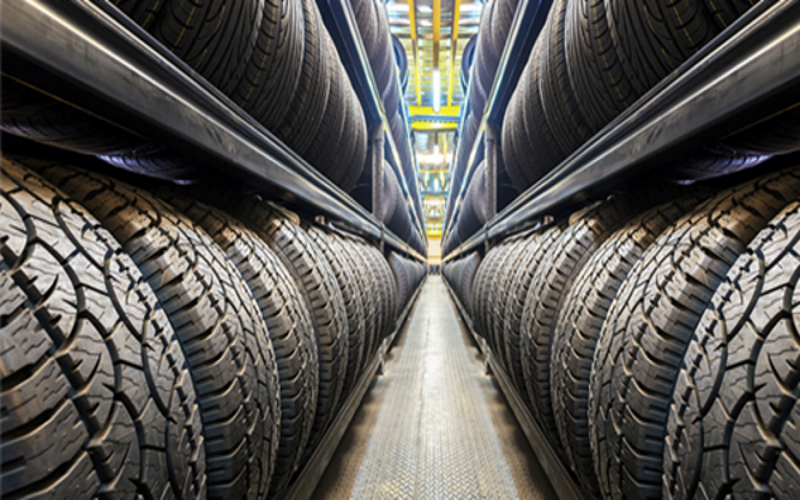
Tire Market
The global tire market to reach USD 270.66 Billion by 2033, exhibiting a growth rate (CAGR) of 4.70% during 2025-2033.
NEW YORK, NY, UNITED STATES, October 7, 2025 /EINPresswire.com/ -- 𝗧𝗶𝗿𝗲 𝗠𝗮𝗿𝗸𝗲𝘁 𝗦𝗶𝘇𝗲 𝗮𝗻𝗱 𝗢𝘂𝘁𝗹𝗼𝗼𝗸 𝟮𝟬𝟮𝟱 𝘁𝗼 𝟮𝟬𝟯𝟯:The global tire market size was valued at USD 172.98 Billion in 2024. Looking forward, IMARC Group estimates the market to reach USD 270.66 Billion by 2033, exhibiting a CAGR of 4.70% during 2025-2033. Asia Pacific currently dominates the market, holding a significant market share of over 43.1% in 2024, driven by rapid industrialization, expanding automotive production, and growing vehicle ownership rates. The market is experiencing steady growth driven by increasing vehicle production worldwide, rising demand for replacement tires, and growing adoption of electric vehicles requiring specialized tire solutions, which are among the key tire market trends shaping industry expansion.
𝐊𝐞𝐲 𝐒𝐭𝐚𝐭𝐬 𝐟𝐨𝐫 𝐓𝐢𝐫𝐞 𝐌𝐚𝐫𝐤𝐞𝐭:
• Tire Market Value (2024): USD 172.98 Billion
• Tire Market Value (2033): USD 270.66 Billion
• Tire Market Forecast CAGR: 4.70%
• Leading Segment in Tire Market in 2024: Passenger Car Tires (63.4%)
• Key Regions in Tire Market: Asia Pacific, North America, Europe, Latin America, Middle East and Africa
• Top companies in Tire Market: Michelin Group, Bridgestone Corporation, Continental AG, The Goodyear Tire & Rubber Company, Pirelli & C. S.p.A., Yokohama Rubber Company Ltd., Sumitomo Rubber Industries Ltd., Hankook Tire & Technology Co. Ltd., Cooper Tire & Rubber Company, Nokian Tyres PLC.
𝐑𝐞𝐪𝐮𝐞𝐬𝐭 𝐂𝐮𝐬𝐭𝐨𝐦𝐢𝐳𝐚𝐭𝐢𝐨𝐧: https://www.imarcgroup.com/request?type=report&id=575&flag=E
𝗪𝗵𝘆 𝗶𝘀 𝘁𝗵𝗲 𝗧𝗶𝗿𝗲 𝗠𝗮𝗿𝗸𝗲𝘁 𝗚𝗿𝗼𝘄𝗶𝗻𝗴?
The tire market is experiencing robust growth as global vehicle production continues to expand and urbanization drives increased mobility needs. The automotive industry's recovery from pandemic-related disruptions has created unprecedented demand for both original equipment and replacement tires. Rising vehicle ownership in emerging markets, particularly across Asia Pacific and Latin America, is generating massive new tire requirements as millions of consumers purchase their first vehicles.
Electric vehicle adoption is creating unique growth opportunities as these vehicles require specialized low-rolling-resistance tires that extend battery range and reduce energy consumption. Major automakers have committed to electrifying their fleets, with companies like General Motors planning to go fully electric by 2035, creating sustained demand for EV-optimized tire technologies.
The commercial transportation sector is expanding rapidly with e-commerce growth driving demand for delivery vehicles and freight transport. Last-mile delivery services have exploded, creating new tire demand categories as logistics companies build massive fleets to meet consumer expectations for fast shipping. Additionally, aging vehicle fleets worldwide are reaching replacement cycles, generating steady aftermarket demand that provides stable revenue streams for tire manufacturers.
Infrastructure development in emerging economies is boosting construction and mining activities, driving demand for specialized off-the-road tires. Government infrastructure spending programs across multiple countries are creating sustained demand for heavy-duty tires used in construction equipment and commercial vehicles.
𝗔𝗜 𝗜𝗺𝗽𝗮𝗰𝘁 𝗼𝗻 𝘁𝗵𝗲 𝗧𝗶𝗿𝗲 𝗠𝗮𝗿𝗸𝗲𝘁:
Artificial intelligence is revolutionizing the tire industry by enabling predictive maintenance systems that can monitor tire performance in real-time and alert drivers when replacement or maintenance is needed. Smart tire technologies embedded with sensors and AI algorithms now provide continuous data on tire pressure, temperature, tread depth, and wear patterns, helping optimize vehicle performance and safety.
Manufacturing processes are being transformed through AI-powered quality control systems that can detect defects and inconsistencies during production with precision impossible for human inspection. These intelligent systems analyze thousands of data points per second to ensure consistent quality and reduce waste, while machine learning algorithms optimize compound formulations for specific performance characteristics.
AI-driven supply chain optimization is helping manufacturers predict demand patterns, manage inventory levels, and reduce distribution costs through intelligent routing and logistics management. Predictive analytics enable companies to anticipate market trends and adjust production schedules accordingly, reducing excess inventory while ensuring product availability.
Fleet management applications powered by AI are helping commercial operators optimize tire lifecycles through intelligent rotation schedules, pressure management, and replacement timing. These systems analyze driving patterns, load conditions, and route characteristics to maximize tire performance and extend service life, providing significant cost savings for fleet operators.
𝗥𝗲𝗾𝘂𝗲𝘀𝘁 𝘁𝗼 𝗚𝗲𝘁 𝘁𝗵𝗲 𝗦𝗮𝗺𝗽𝗹𝗲 𝗥𝗲𝗽𝗼𝗿𝘁: https://www.imarcgroup.com/tyre-manufacturing-plant/requestsample
𝐒𝐞𝐠𝐦𝐞𝐧𝐭𝐚𝐥 𝐀𝐧𝐚𝐥𝐲𝐬𝐢𝐬:
𝐀𝐧𝐚𝐥𝐲𝐬𝐢𝐬 𝐛𝐲 𝐕𝐞𝐡𝐢𝐜𝐥𝐞 𝐓𝐲𝐩𝐞:
• Passenger Car Tires
• Commercial Vehicle Tires
• Two-Wheeler Tires
• Off-the-Road Tires
• Others
Passenger car tires lead the market with a 63.4% share, driven by growing global vehicle ownership and regular replacement cycles. This segment benefits from continuous innovation in fuel efficiency, noise reduction, and all-weather performance capabilities.
𝗔𝗻𝗮𝗹𝘆𝘀𝗶𝘀 𝗯𝘆 𝗧𝗶𝗿𝗲 𝗧𝘆𝗽𝗲:
• Radial Tires
• Bias Tires
• Others
Radial tires dominate the market due to their superior performance characteristics including better fuel efficiency, longer lifespan, and improved handling compared to bias-ply alternatives. The technology has become standard for most passenger and commercial applications.
𝗔𝗻𝗮𝗹𝘆𝘀𝗶𝘀 𝗯𝘆 𝗦𝗮𝗹𝗲𝘀 𝗖𝗵𝗮𝗻𝗻𝗲𝗹:
• Original Equipment Manufacturers (OEM)
• Aftermarket
• Others
The aftermarket segment represents the largest revenue opportunity as replacement tires generate higher margins and more frequent purchase cycles compared to OEM sales. This segment benefits from brand loyalty and performance preferences developed through original equipment experiences.
𝗔𝗻𝗮𝗹𝘆𝘀𝗶𝘀 𝗯𝘆 𝗦𝗲𝗮𝘀𝗼𝗻:
• All Season Tires
• Winter Tires
• Summer Tires
• Others
All season tires dominate sales volumes due to their versatility and convenience, eliminating the need for seasonal tire changes in moderate climates. However, specialized winter and summer tires are gaining market share in regions with extreme weather conditions.
𝗔𝗻𝗮𝗹𝘆𝘀𝗶𝘀 𝗼𝗳 𝗧𝗶𝗿𝗲 𝗠𝗮𝗿𝗸𝗲𝘁 𝗯𝘆 𝗥𝗲𝗴𝗶𝗼𝗻𝘀:
• Asia Pacific
• North America
• Europe
• Latin America
• Middle East and Africa
Asia Pacific leads the global tire market with a 43.1% share, driven by massive vehicle production centers in China, India, Japan, and South Korea. The region benefits from both manufacturing capabilities and rapidly growing domestic demand as vehicle ownership rates increase across emerging economies.
𝗪𝗵𝗮𝘁 𝗮𝗿𝗲 𝘁𝗵𝗲 𝗗𝗿𝗶𝘃𝗲𝗿𝘀, 𝗥𝗲𝘀𝘁𝗿𝗮𝗶𝗻𝘁𝘀, 𝗮𝗻𝗱 𝗞𝗲𝘆 𝗧𝗿𝗲𝗻𝗱𝘀 𝗼𝗳 𝘁𝗵𝗲 𝗧𝗶𝗿𝗲 𝗠𝗮𝗿𝗸𝗲𝘁?
𝗠𝗮𝗿𝗸𝗲𝘁 𝗗𝗿𝗶𝘃𝗲𝗿𝘀:
The tire market is driven by continuous growth in global vehicle production as automotive manufacturers expand operations and introduce new models to meet consumer demand. Rising disposable incomes in emerging markets are enabling more consumers to purchase vehicles, creating sustained demand for both original equipment and replacement tires.
Electric vehicle adoption is accelerating market growth as automakers transition their product lines and consumers embrace sustainable transportation options. These vehicles require specialized tire technologies that optimize energy efficiency and extend driving range, commanding premium prices and driving innovation investments.
E-commerce expansion is creating unprecedented demand for commercial delivery vehicles, from small vans to large freight trucks, all requiring tire solutions optimized for urban delivery and long-haul transport. The logistics sector's growth is providing stable, high-volume demand that supports market expansion.
Government infrastructure spending programs worldwide are boosting construction and mining activities that require specialized off-the-road tires. These applications typically involve premium pricing and frequent replacement cycles, generating attractive revenue opportunities for manufacturers.
𝐌𝐚𝐫𝐤𝐞𝐭 𝐑𝐞𝐬𝐭𝐫𝐚𝐢𝐧𝐭𝐬:
The market faces challenges from volatile raw material costs, particularly natural rubber and petroleum-based synthetic materials, which can impact profit margins and pricing strategies. Supply chain disruptions can affect both material availability and distribution networks, creating operational challenges.
Environmental regulations and sustainability concerns are increasing compliance costs and requiring significant investments in eco-friendly manufacturing processes and materials. Additionally, the growth of ride-sharing and autonomous vehicle technologies may reduce overall vehicle ownership and tire demand in developed markets.
Economic uncertainties and inflation can reduce consumer spending on non-essential vehicle maintenance, including discretionary tire replacements, potentially impacting market growth in economically challenging periods.
𝗠𝗮𝗿𝗸𝗲𝘁 𝗞𝗲𝘆 𝗧𝗿𝗲𝗻𝗱𝘀:
Key trends shaping the tire market include the increasing adoption of smart tire technologies that integrate sensors and connectivity features to provide real-time performance monitoring and predictive maintenance capabilities. These intelligent systems help optimize vehicle performance while extending tire life and improving safety.
Sustainable tire manufacturing is becoming a competitive necessity as consumers and regulators demand environmentally responsible products. Companies are investing in renewable materials, recyclable designs, and carbon-neutral manufacturing processes to meet sustainability goals and regulatory requirements.
Customization and personalization are growing trends as consumers seek tires tailored to their specific driving needs, weather conditions, and performance preferences. Advanced manufacturing technologies enable more flexible production runs and specialized compound formulations.
Furthermore, the integration of artificial intelligence in tire design and manufacturing is enabling unprecedented precision in performance optimization and quality control, while digital sales channels and direct-to-consumer models are transforming traditional distribution approaches.
𝐋𝐞𝐚𝐝𝐢𝐧𝐠 𝐏𝐥𝐚𝐲𝐞𝐫𝐬 𝐨𝐟 𝐓𝐢𝐫𝐞 𝐌𝐚𝐫𝐤𝐞𝐭:
According to IMARC Group's latest analysis, prominent companies shaping the global Tire landscape include:
• Michelin Group
• Bridgestone Corporation
• Continental AG
• The Goodyear Tire & Rubber Company
• Pirelli & C. S.p.A.
• Yokohama Rubber Company Ltd.
• Sumitomo Rubber Industries Ltd.
• Hankook Tire & Technology Co. Ltd.
• Cooper Tire & Rubber Company
• Nokian Tyres PLC
• Toyo Tire Corporation
• Kumho Tire Co. Inc.
These leading providers are expanding their footprint through strategic partnerships, advanced manufacturing technologies, and innovative product development to meet growing demand across passenger, commercial, and specialty vehicle segments. Market strategies focus on sustainability, smart tire technologies, and premium performance solutions with emphasis on fuel efficiency, durability, and safety optimization.
𝐊𝐞𝐲 𝐃𝐞𝐯𝐞𝐥𝐨𝐩𝐦𝐞𝐧𝐭𝐬 𝐢𝐧 𝐓𝐢𝐫𝐞 𝐌𝐚𝐫𝐤𝐞𝐭:
• January 2025: Major tire manufacturers reported record investments in sustainable tire technologies, with companies allocating billions toward developing renewable materials and carbon-neutral manufacturing processes. These initiatives reflect growing consumer demand for environmentally responsible products and regulatory requirements for reduced environmental impact.
• December 2024: The electric vehicle tire segment experienced 40% growth as automakers accelerated EV production and consumers increasingly adopted electric vehicles. Specialized low-rolling-resistance tires designed for electric vehicles command premium pricing while delivering enhanced range and performance characteristics.
• November 2024: Smart tire technology reached mainstream adoption with several manufacturers integrating sensors and connectivity features into their premium tire lines. These intelligent systems provide real-time monitoring of tire pressure, temperature, and wear patterns, enabling predictive maintenance and improved safety outcomes.
• October 2024: Asia Pacific manufacturers expanded production capacity significantly to meet growing regional demand, with new facilities in India, Vietnam, and Indonesia. These investments reflect the region's position as both a manufacturing hub and the fastest-growing consumption market for tires globally.
• September 2024: Commercial tire demand surged 25% due to e-commerce expansion and last-mile delivery growth, creating specialized market segments for urban delivery vehicles and long-haul freight transport. This trend is driving innovation in tire compounds optimized for stop-and-go city driving and highway efficiency.
If you require any specific information that is not covered currently within the scope of the report, we will provide the same as a part of the customization.
𝗦𝗽𝗲𝗮𝗸 𝘁𝗼 𝗔𝗻 𝗔𝗻𝗮𝗹𝘆𝘀𝘁: https://www.imarcgroup.com/request?type=report&id=575&flag=C
𝗔𝗯𝗼𝘂𝘁 𝗨𝘀:
IMARC Group is a global management consulting firm that helps the world's most ambitious changemakers to create a lasting impact. The company provides a comprehensive suite of market entry and expansion services.
IMARC offerings include thorough market assessment, feasibility studies, company incorporation assistance, factory setup support, regulatory approvals and licensing navigation, branding, marketing and sales strategies, competitive landscape and benchmarking analyses, pricing and cost research, and procurement research.
Elena Anderson
IMARC Services Private Limited
+1 201971-6302
email us here
Legal Disclaimer:
EIN Presswire provides this news content "as is" without warranty of any kind. We do not accept any responsibility or liability for the accuracy, content, images, videos, licenses, completeness, legality, or reliability of the information contained in this article. If you have any complaints or copyright issues related to this article, kindly contact the author above.
