


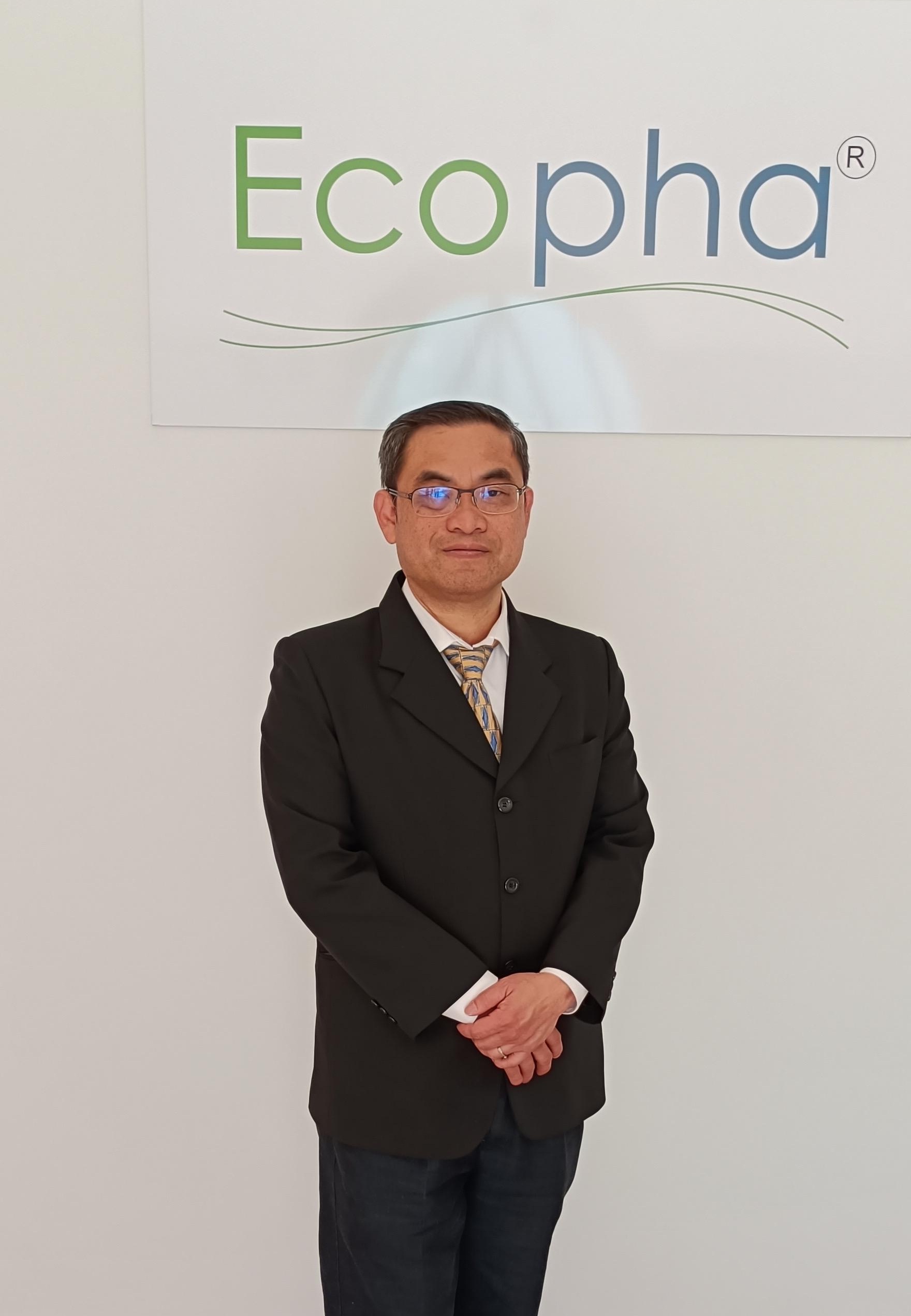
Dr. Wilson Ling, CEO & Co-Founder, Ecopha Biotech Pty Ltd
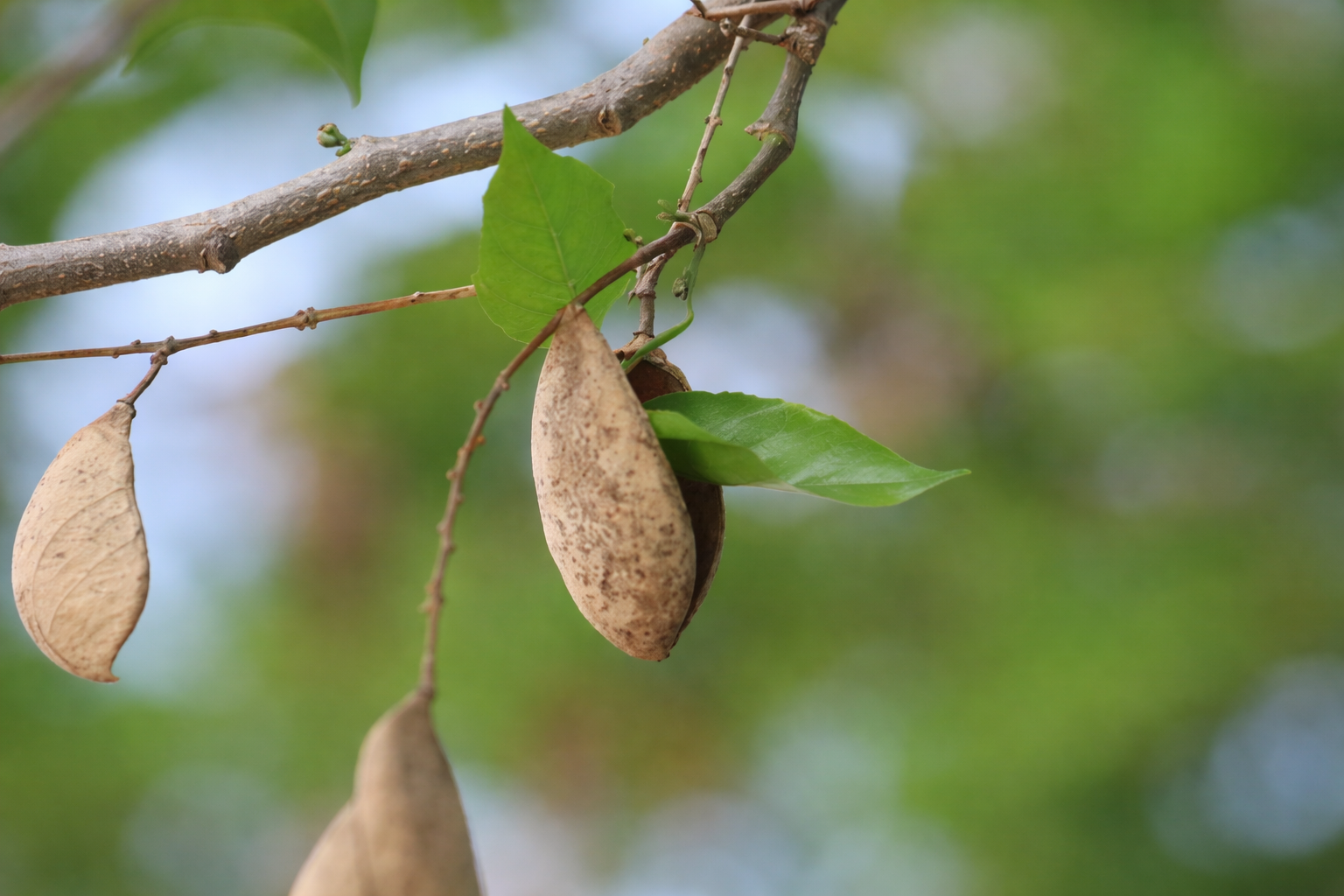
Pongamia seeds, a non-food, low-carbon feedstock used by Ecopha to produce both sustainable aviation fuel (SAF) and marine-biodegradable PHA bioplastics.
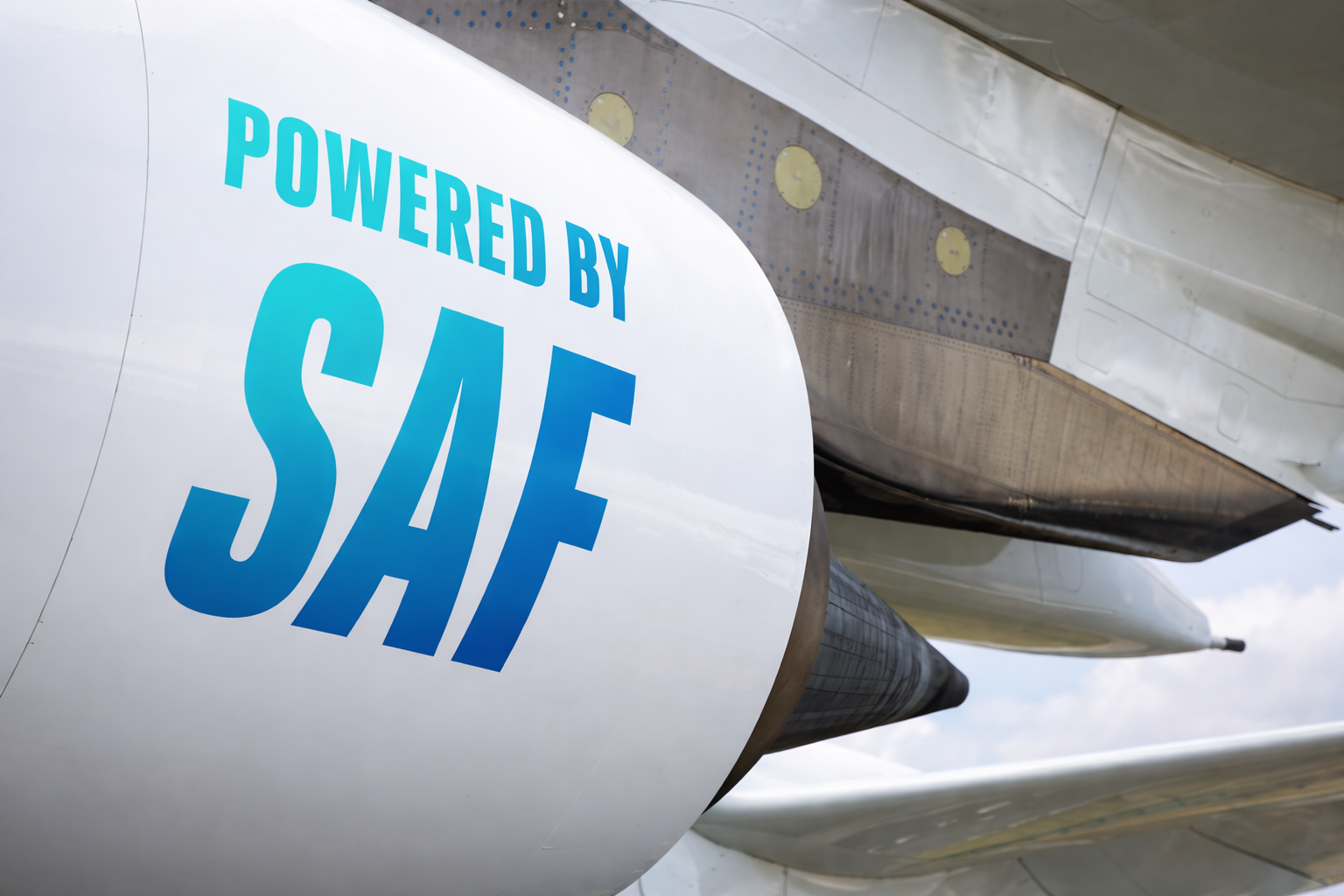
Sustainable Aviation Fuel (SAF), a renewable alternative to traditional jet fuel and a key output of Ecopha's Pongamia-based bioeconomy platform.
Ecopha announces an international PCT patent filing and launches its Integrated Sustainable Carbon Platform for the global bioeconomy.
The international filing marks an important milestone in Ecopha's innovation journey and coincides with the launch of the company's Integrated Sustainable Carbon Platform, representing its evolution from a pioneer in biodegradable PHA bioplastics into a technology platform company focused on transforming sustainable carbon into renewable fuels, biodegradable materials and green chemicals.
For more than fifteen years, Ecopha has focused on advancing PHA bioplastics through scientific research, technology development and commercialization. Building on this foundation, the company is expanding its technology platform to help accelerate the transition toward a global circular bioeconomy.
The newly filed PCT patent protects Ecopha's proprietary integrated process for producing renewable oleochemical products and biodegradable PHA bioplastics from Pongamia oil. The innovation combines renewable feedstock processing with industrial biotechnology to maximise carbon utilisation, improve resource efficiency and create multiple high-value products from a single renewable carbon source.
Although the patented process was developed using Pongamia oil as an ideal non-food feedstock, Ecopha's Integrated Sustainable Carbon Platform is designed to utilise a broad range of sustainable carbon feedstocks, including non-food vegetable oils, used cooking oil (UCO), waste oils and fats, agricultural residues, microbial oils, algae-derived oils and future renewable carbon sources.
Rather than focusing on a single product or feedstock, Ecopha is developing an integrated platform capable of transforming sustainable carbon into multiple high-value products through one scalable biorefinery system.
The platform is designed to support the production of Sustainable Aviation Fuel (SAF), marine and soil biodegradable PHA bioplastics, renewable oleochemicals, bio-based specialty chemicals and future circular carbon products.
By integrating renewable fuel production, industrial biotechnology and green chemical manufacturing, Ecopha aims to maximise carbon utilisation while reducing waste, improving manufacturing efficiency and strengthening the commercial viability of future biorefineries.
"The world does not simply need another bioplastics company or another sustainable aviation fuel company," said Dr. Wilson Ling, Chief Executive Officer and Co-Founder of Ecopha.
"It needs a new generation of sustainable carbon technology companies capable of replacing fossil carbon across multiple industries. At Ecopha, our mission is to transform sustainable carbon into the fuels, materials and chemicals society needs while maximising the value of every carbon molecule through one integrated platform."
Dr. Ling added that the international patent filing represents an important step in the company's long-term strategy.
"For more than fifteen years, Ecopha has been committed to advancing biodegradable PHA bioplastics. Today marks the beginning of our next chapter. Our Integrated Sustainable Carbon Platform is designed to bring together renewable fuels, industrial biotechnology and green chemistry into one scalable solution. We believe future biorefineries should not produce just one product—they should maximise the value of sustainable carbon by producing multiple renewable products from the same feedstock."
Global demand for renewable fuels, sustainable materials and low-carbon chemicals continues to increase as governments and industries pursue net-zero emissions, strengthen energy security and accelerate circular economy initiatives.
Ecopha believes integrated sustainable carbon technologies will play a critical role in the next generation of industrial manufacturing by enabling renewable carbon to replace fossil carbon across multiple sectors while creating greater economic and environmental value.
About Ecopha
Ecopha Biotech Pty Ltd is an Australian biotechnology company developing an Integrated Sustainable Carbon Platform that transforms renewable carbon into Sustainable Aviation Fuel (SAF), biodegradable PHA bioplastics, renewable oleochemicals and other high-value bio-based products.
The company's proprietary technologies integrate advanced biorefinery engineering, industrial biotechnology and circular carbon innovation to maximise carbon utilisation, improve resource efficiency and reduce dependence on fossil resources.
With a growing international intellectual property portfolio and strategic collaborations across industry and academia, Ecopha is committed to accelerating the commercialization of next-generation sustainable carbon technologies that support the global transition toward a circular bioeconomy.
Mission: Transforming Sustainable Carbon into the Future.
For more information, visit https://ecopha.bio
Media Contact
Dr. Wilson Ling
Chief Executive Officer & Co-Founder
Ecopha Biotech Pty. Ltd.
Email: info@ecopha.com
Website: https://ecopha.bio
Wilson Ling
Ecopha Biotech Pty. Ltd.
email us here
Visit us on social media:
LinkedIn
Other
Legal Disclaimer:
EIN Presswire provides this news content "as is" without warranty of any kind. We do not accept any responsibility or liability for the accuracy, content, images, videos, licenses, completeness, legality, or reliability of the information contained in this article. If you have any complaints or copyright issues related to this article, kindly contact the author above.
