


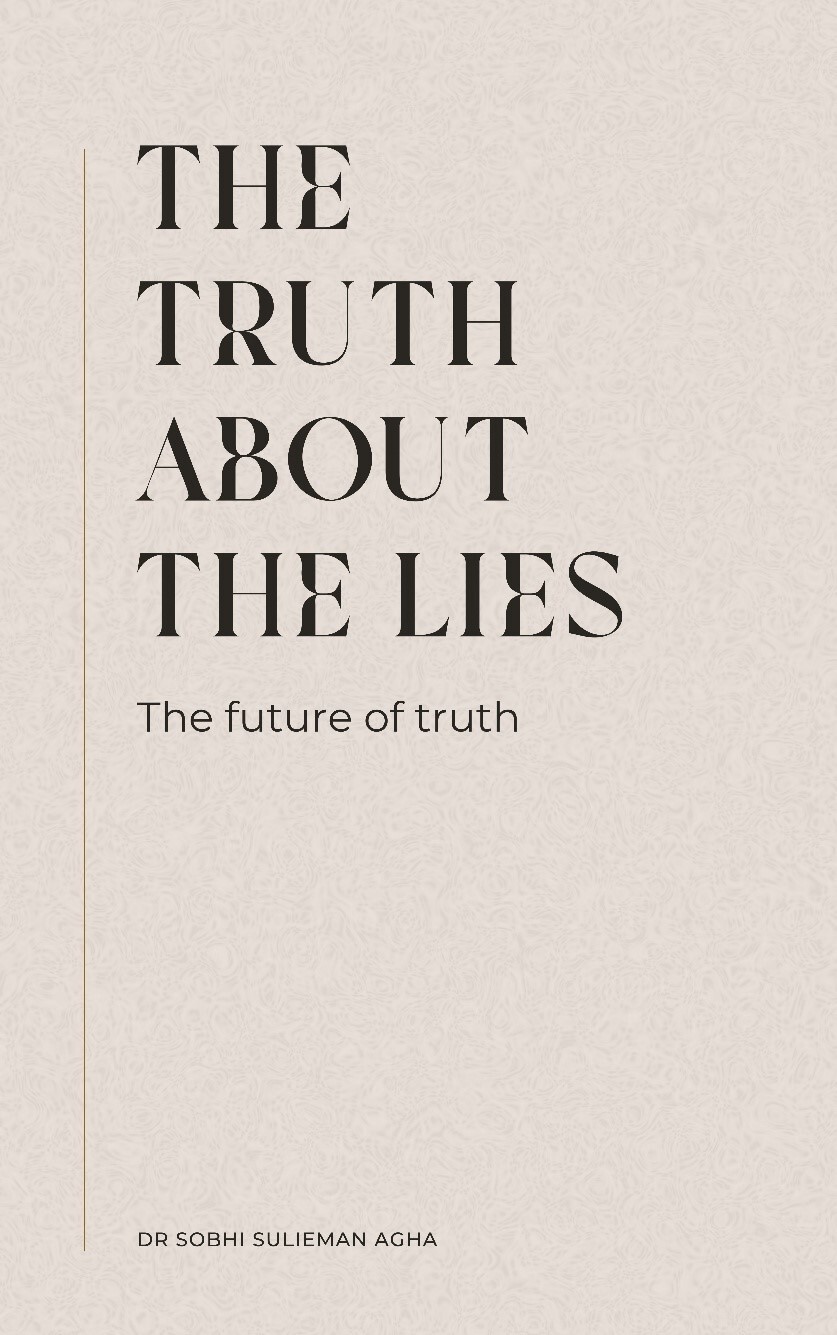
UNITED ARAB EMIRATES, February 26, 2026 /EINPresswire.com/ -- Dr. Sobhi Sulieman Aghaโs book The Truth About The Lies: The Real Thing has now been officially published and released to readers. The book explores how deception shapes everyday life and how individuals can better understand what is true in a world filled with mixed information.
This newly published work looks at lying not just as a moral issue, but as a human behavior that has existed throughout history. From ancient strategies to modern digital misinformation, the book explains how deception continues to influence relationships, media, politics, and society.
๐๐ผ๐ผ๐ธ๐ถ๐ป๐ด ๐ฎ๐ ๐๐ถ๐ฒ๐ ๐๐ฟ๐ผ๐บ ๐ ๐ฎ๐ป๐ ๐๐ป๐ด๐น๐ฒ๐
The book is structured into fifteen chapters that carefully examine different sides of deception. It discusses how lies are formed, why people justify them, and how emotions such as fear, pride, or guilt can shape dishonest behavior. It also explains how selective information, exaggeration, and omission can change how reality is understood.
Several chapters focus on modern concerns, including media influence and misinformation. The author explains how digital platforms and repeated narratives can affect public opinion and blur the line between fact and assumption. Rather than presenting dramatic claims, the book encourages readers to pause, reflect, and question the information they receive.
๐ช๐ต๐ ๐ง๐ต๐ถ๐ ๐ง๐ผ๐ฝ๐ถ๐ฐ ๐ ๐ฎ๐๐๐ฒ๐ฟ๐ ๐ง๐ผ๐ฑ๐ฎ๐
The publication comes at a time when information spreads quickly, and opinions are often confused with facts. In the introduction, the author explains that understanding deception is no longer optional but necessary for thoughtful living. The book encourages readers to develop awareness, ask careful questions, and think critically before accepting what they hear or read.
The discussion extends beyond the media. It also explores how dishonesty affects personal relationships, trust, education, and even cultural beliefs. By connecting psychological insight with social observation, the book offers a balanced and reflective study of how truth and falsehood interact in daily life.
๐ช๐ต๐ผ ๐ ๐ฎ๐ ๐๐ฒ๐ป๐ฒ๐ณ๐ถ๐ ๐๐ฟ๐ผ๐บ ๐ฅ๐ฒ๐ฎ๐ฑ๐ถ๐ป๐ด ๐๐
The primary audience includes adult readers interested in psychology, ethics, social behavior, communication, and current affairs. It may also appeal to students, educators, and professionals who want to strengthen their critical thinking skills. The writing style is structured and thoughtful, making complex ideas easier to understand.
๐ ๐ง๐ต๐ผ๐๐ด๐ต๐๐ณ๐๐น ๐ฎ๐ป๐ฑ ๐ฆ๐๐ฟ๐๐ฐ๐๐๐ฟ๐ฒ๐ฑ ๐๐ฝ๐ฝ๐ฟ๐ผ๐ฎ๐ฐ๐ต
One of the distinguishing features of the book is its broad scope. It does not focus on a single type of deception. Instead, it examines historical examples, emotional influences, cultural differences, media practices, and long-term social effects. Each chapter builds on the previous one, guiding readers through a deeper understanding of how deception operates and how it can be recognized.
Rather than offering quick answers, the book invites reflection. It asks readers to consider how truth is formed, how it can be distorted, and what personal responsibility means in an information-driven world.
๐๐ฏ๐ผ๐๐ ๐๐ต๐ฒ ๐๐๐๐ต๐ผ๐ฟ
Dr. Sobhi Sulieman Agha is the author of The Truth About The Lies: The Real Thing, published in 2025. Through this work, he presents a broad, carefully organized study of deception, drawing on historical examples, psychological insights, cultural observations, and modern social realities.
His writing reflects a thoughtful approach to understanding human behavior. The book shows a clear interest in examining how truth and falsehood interact across different areas of life, including relationships, institutions, and digital media. By presenting these themes in a structured format, Dr. Agha offers readers a framework to better recognize misleading patterns and reflect on their own perceptions.
๐ฃ๐๐ฏ๐น๐ถ๐ฐ๐ฎ๐๐ถ๐ผ๐ป ๐๐ฒ๐๐ฎ๐ถ๐น๐
The Truth About The Lies: The Real Thing is published under the name of Dr. Sobhi Sulieman Agha, First Edition 2025. The book is now available.
This newly published work looks at lying not just as a moral issue, but as a human behavior that has existed throughout history. From ancient strategies to modern digital misinformation, the book explains how deception continues to influence relationships, media, politics, and society.
๐๐ผ๐ผ๐ธ๐ถ๐ป๐ด ๐ฎ๐ ๐๐ถ๐ฒ๐ ๐๐ฟ๐ผ๐บ ๐ ๐ฎ๐ป๐ ๐๐ป๐ด๐น๐ฒ๐
The book is structured into fifteen chapters that carefully examine different sides of deception. It discusses how lies are formed, why people justify them, and how emotions such as fear, pride, or guilt can shape dishonest behavior. It also explains how selective information, exaggeration, and omission can change how reality is understood.
Several chapters focus on modern concerns, including media influence and misinformation. The author explains how digital platforms and repeated narratives can affect public opinion and blur the line between fact and assumption. Rather than presenting dramatic claims, the book encourages readers to pause, reflect, and question the information they receive.
๐ช๐ต๐ ๐ง๐ต๐ถ๐ ๐ง๐ผ๐ฝ๐ถ๐ฐ ๐ ๐ฎ๐๐๐ฒ๐ฟ๐ ๐ง๐ผ๐ฑ๐ฎ๐
The publication comes at a time when information spreads quickly, and opinions are often confused with facts. In the introduction, the author explains that understanding deception is no longer optional but necessary for thoughtful living. The book encourages readers to develop awareness, ask careful questions, and think critically before accepting what they hear or read.
The discussion extends beyond the media. It also explores how dishonesty affects personal relationships, trust, education, and even cultural beliefs. By connecting psychological insight with social observation, the book offers a balanced and reflective study of how truth and falsehood interact in daily life.
๐ช๐ต๐ผ ๐ ๐ฎ๐ ๐๐ฒ๐ป๐ฒ๐ณ๐ถ๐ ๐๐ฟ๐ผ๐บ ๐ฅ๐ฒ๐ฎ๐ฑ๐ถ๐ป๐ด ๐๐
The primary audience includes adult readers interested in psychology, ethics, social behavior, communication, and current affairs. It may also appeal to students, educators, and professionals who want to strengthen their critical thinking skills. The writing style is structured and thoughtful, making complex ideas easier to understand.
๐ ๐ง๐ต๐ผ๐๐ด๐ต๐๐ณ๐๐น ๐ฎ๐ป๐ฑ ๐ฆ๐๐ฟ๐๐ฐ๐๐๐ฟ๐ฒ๐ฑ ๐๐ฝ๐ฝ๐ฟ๐ผ๐ฎ๐ฐ๐ต
One of the distinguishing features of the book is its broad scope. It does not focus on a single type of deception. Instead, it examines historical examples, emotional influences, cultural differences, media practices, and long-term social effects. Each chapter builds on the previous one, guiding readers through a deeper understanding of how deception operates and how it can be recognized.
Rather than offering quick answers, the book invites reflection. It asks readers to consider how truth is formed, how it can be distorted, and what personal responsibility means in an information-driven world.
๐๐ฏ๐ผ๐๐ ๐๐ต๐ฒ ๐๐๐๐ต๐ผ๐ฟ
Dr. Sobhi Sulieman Agha is the author of The Truth About The Lies: The Real Thing, published in 2025. Through this work, he presents a broad, carefully organized study of deception, drawing on historical examples, psychological insights, cultural observations, and modern social realities.
His writing reflects a thoughtful approach to understanding human behavior. The book shows a clear interest in examining how truth and falsehood interact across different areas of life, including relationships, institutions, and digital media. By presenting these themes in a structured format, Dr. Agha offers readers a framework to better recognize misleading patterns and reflect on their own perceptions.
๐ฃ๐๐ฏ๐น๐ถ๐ฐ๐ฎ๐๐ถ๐ผ๐ป ๐๐ฒ๐๐ฎ๐ถ๐น๐
The Truth About The Lies: The Real Thing is published under the name of Dr. Sobhi Sulieman Agha, First Edition 2025. The book is now available.
Bracken Joseph
Gulf Publisher
+971 567701024
email us here
Legal Disclaimer:
EIN Presswire provides this news content "as is" without warranty of any kind. We do not accept any responsibility or liability for the accuracy, content, images, videos, licenses, completeness, legality, or reliability of the information contained in this article. If you have any complaints or copyright issues related to this article, kindly contact the author above.

