


Recognition of Low Vibrational Relationships is becoming more common. People must learn to recognize when a connection becomes emotionally draining, says Fosse
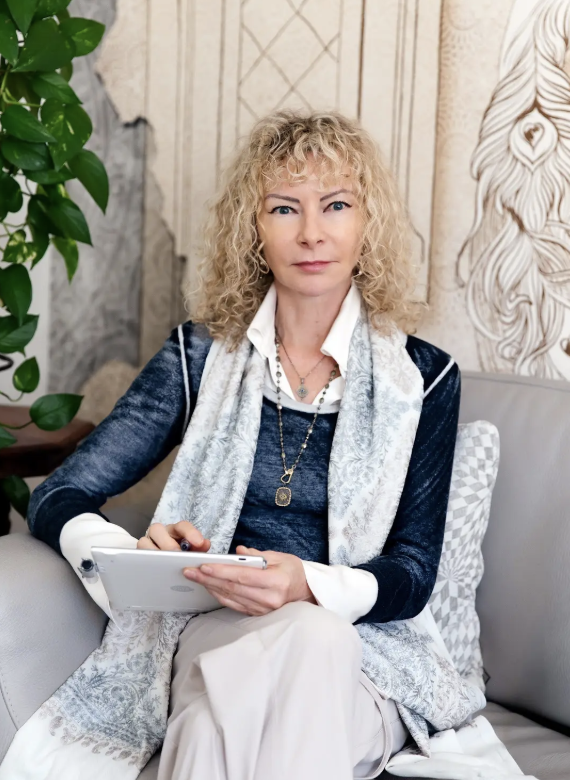
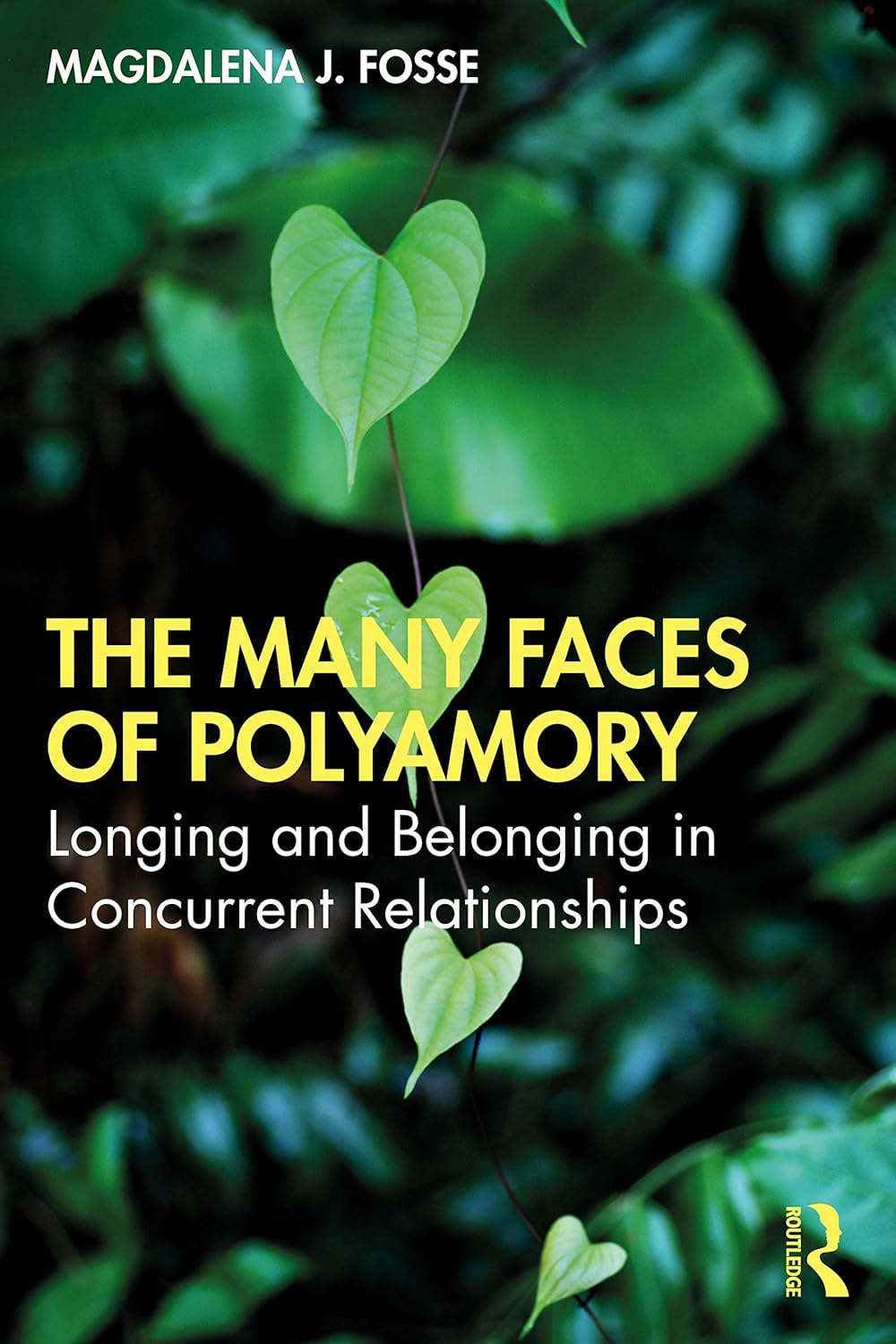
LOS ANGELES, CA, UNITED STATES, June 17, 2026 /EINPresswire.com/ -- As the term "low vibrational relationship" gains popularity, Dr. Magdalena J. Fosse, author of The Many Faces of Polyamory and relationship expert, says the goal is not to judge others, but to recognize when a relationship becomes one-sided.
Fosse agrees with a recent HuffPost article: Relationships are seldom. She recommends focusing on how a relationship affects overall well-being.
According to HuffPost, the term "low vibrational relationship" is commonly used to describe relationships marked by frequent negativity, poor communication, emotional immaturity, a lack of mutual support, and feelings of exhaustion or disconnection. The phrase is often used as an alternative to calling a relationship "toxic."
“People have different energy levels, and many of those patterns are learned,” Fosse says. “We all have moments in our lives when we feel a little down or not at our best. So it's natural to want to help someone who is struggling, but relationships are meant to be reciprocal. If you're always the one giving, encouraging, or carrying the emotional weight, eventually that takes a toll.”
Fosse believes many people ignore feelings of exhaustion because they have been taught that love means sacrificing themselves.
“People often normalize unhealthy dynamics and mistake intensity for connection,” she says. “If you regularly walk away from a relationship feeling anxious, depleted, or unlike yourself, it may be time to ask why.”
At the same time, Fosse emphasizes that recognizing unhealthy patterns does not require blaming or rejecting others.
“You don't have to hate someone to acknowledge that a relationship is no longer healthy for you,” she says. “The body often recognizes what the mind is still trying to explain away.”
Questions such as “Do I feel like I can be myself?” and “Is there mutual care, appreciation, and respect?” can help people better understand the health of their relationships, she says.
As conversations about burnout, boundaries, and emotional health become more common, Fosse hopes people will feel less guilty about seeking couples therapy and, if necessary, stepping back from relationships that no longer support their growth, while still extending compassion where appropriate.
“Removing yourself from draining relationships isn't rejection; it's an act of self-respect,” she says. “The strongest relationships are built on mutual care, compassion, understanding, and a willingness to support one another.”
About Dr. Magdalena J. Fosse
Dr. Magdalena J. Fosse is a clinical psychologist, writer, sexologist, and speaker whose work focuses on emotional intelligence, relationships, and personal growth. She encourages individuals to cultivate healthier connections by balancing compassion for others with respect for their own emotional well-being.
To learn more, click here: https://drfosse.com/sample-page/
Dr. Magdalena J. Fosse is available for interviews.
Contact
Phone:
617-642-0263
Email:
drfosse@gmail.com
Amanda Kent
Boundless Media USA
+1 313-403-5636
email us here
Legal Disclaimer:
EIN Presswire provides this news content "as is" without warranty of any kind. We do not accept any responsibility or liability for the accuracy, content, images, videos, licenses, completeness, legality, or reliability of the information contained in this article. If you have any complaints or copyright issues related to this article, kindly contact the author above.
