


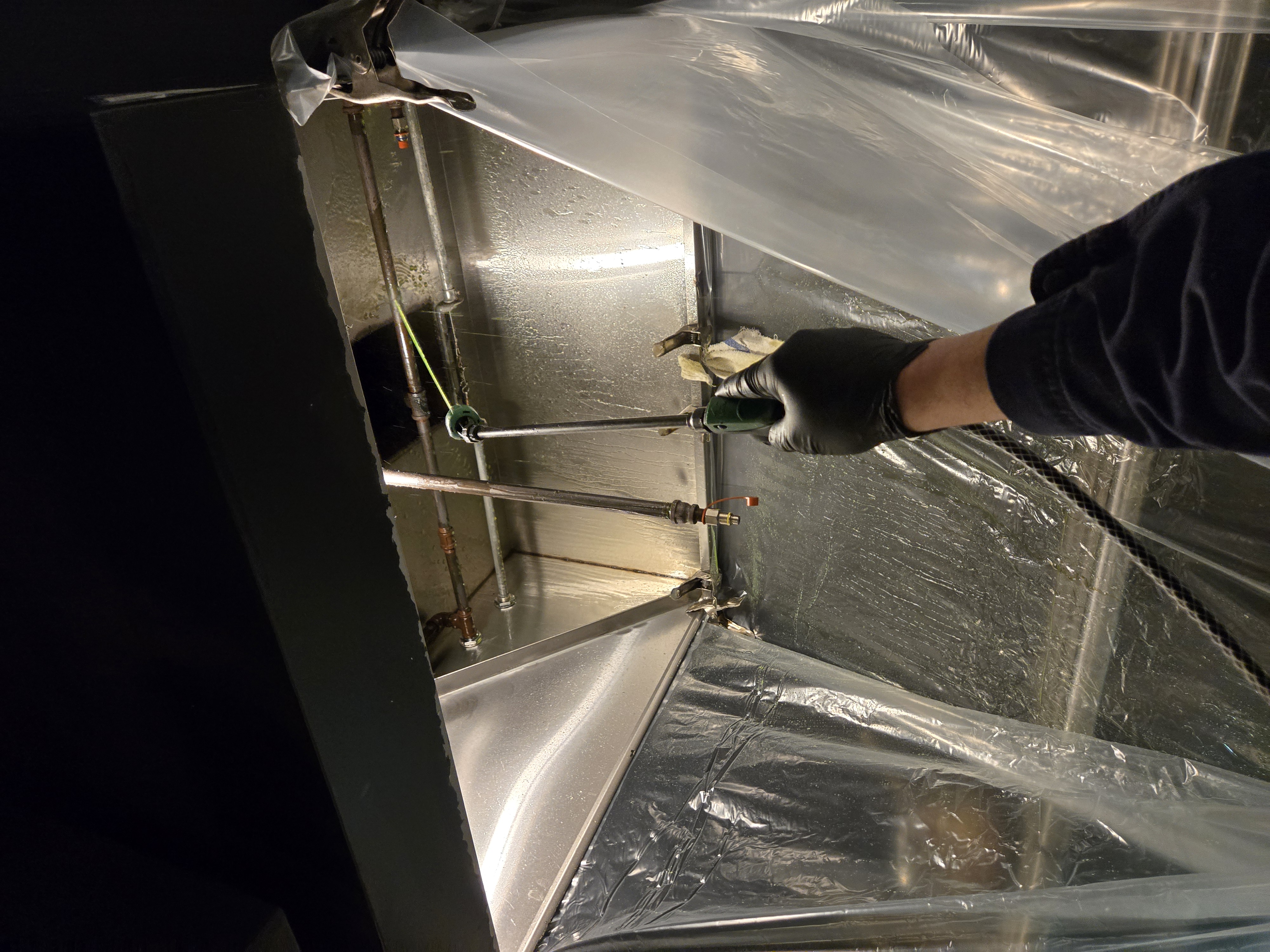
A Done Right hood cleaning specialist cleaning a commercial kitchens canopy at a local restaurant
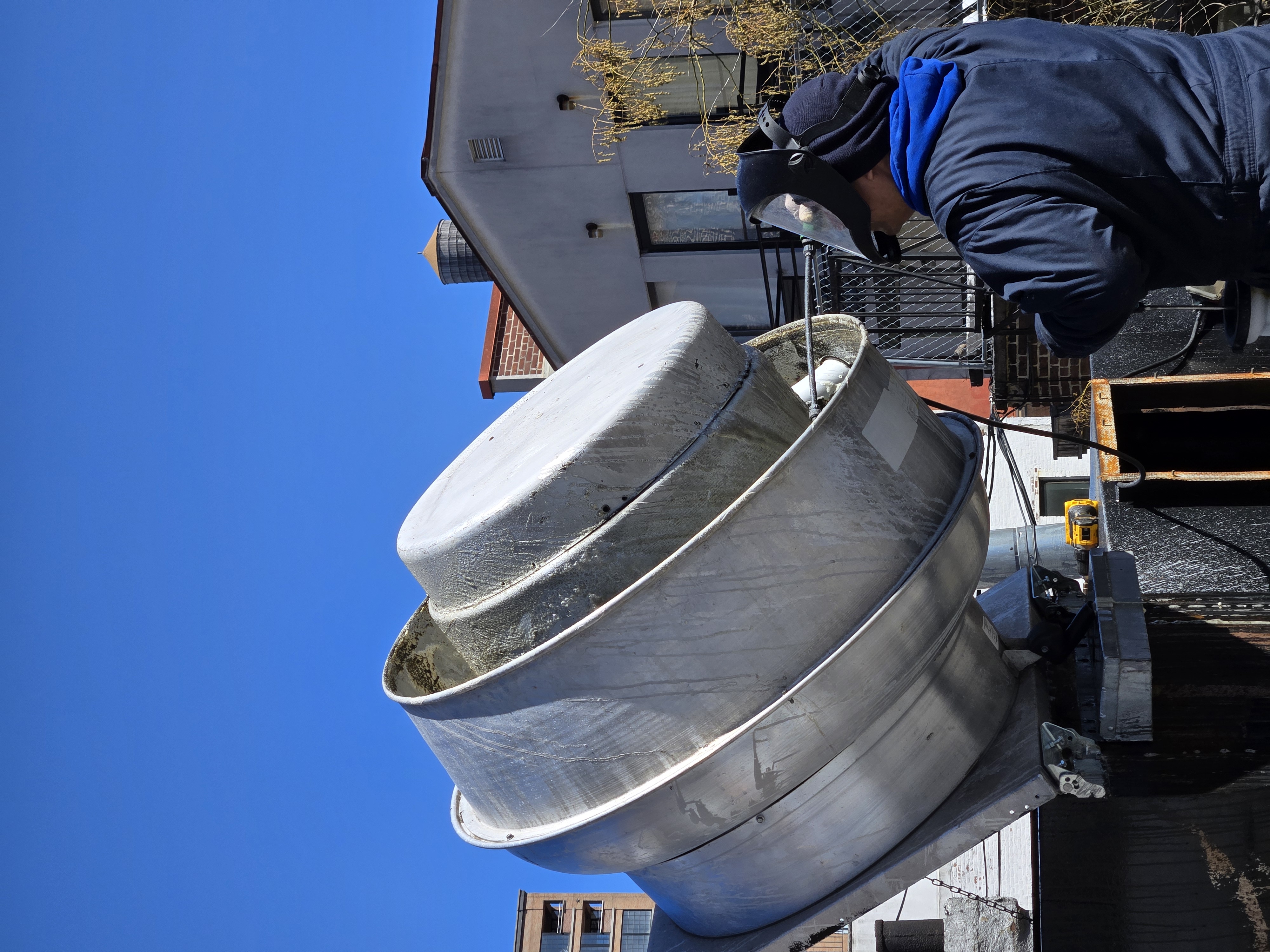
Hood Cleaning Technician Cleaning a Commercial Exhaust System in South Florida
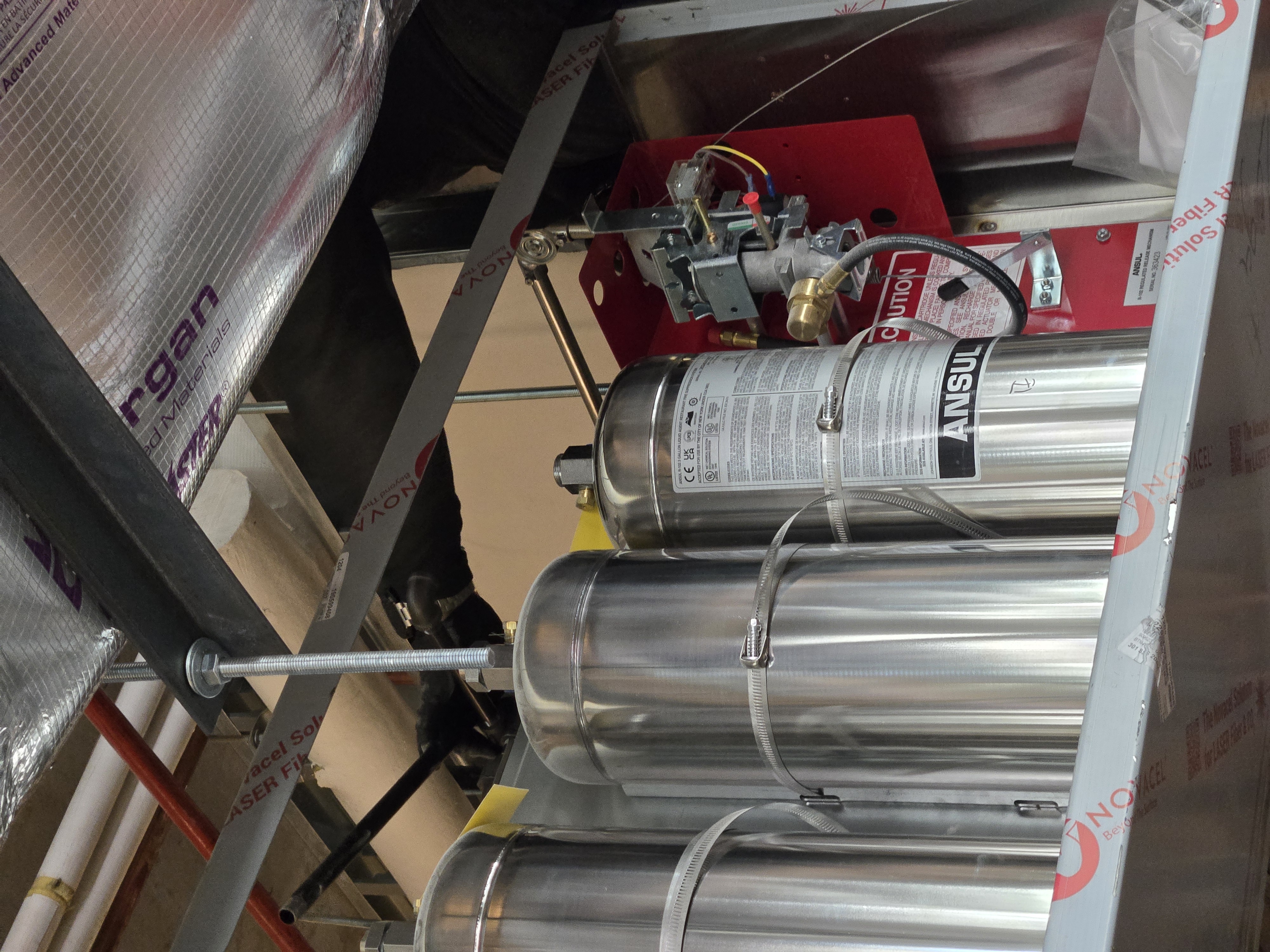
Ansul Fire Suppression Installed By Done Right Hood and Fire Safety that is located in a South Florida Restaurant
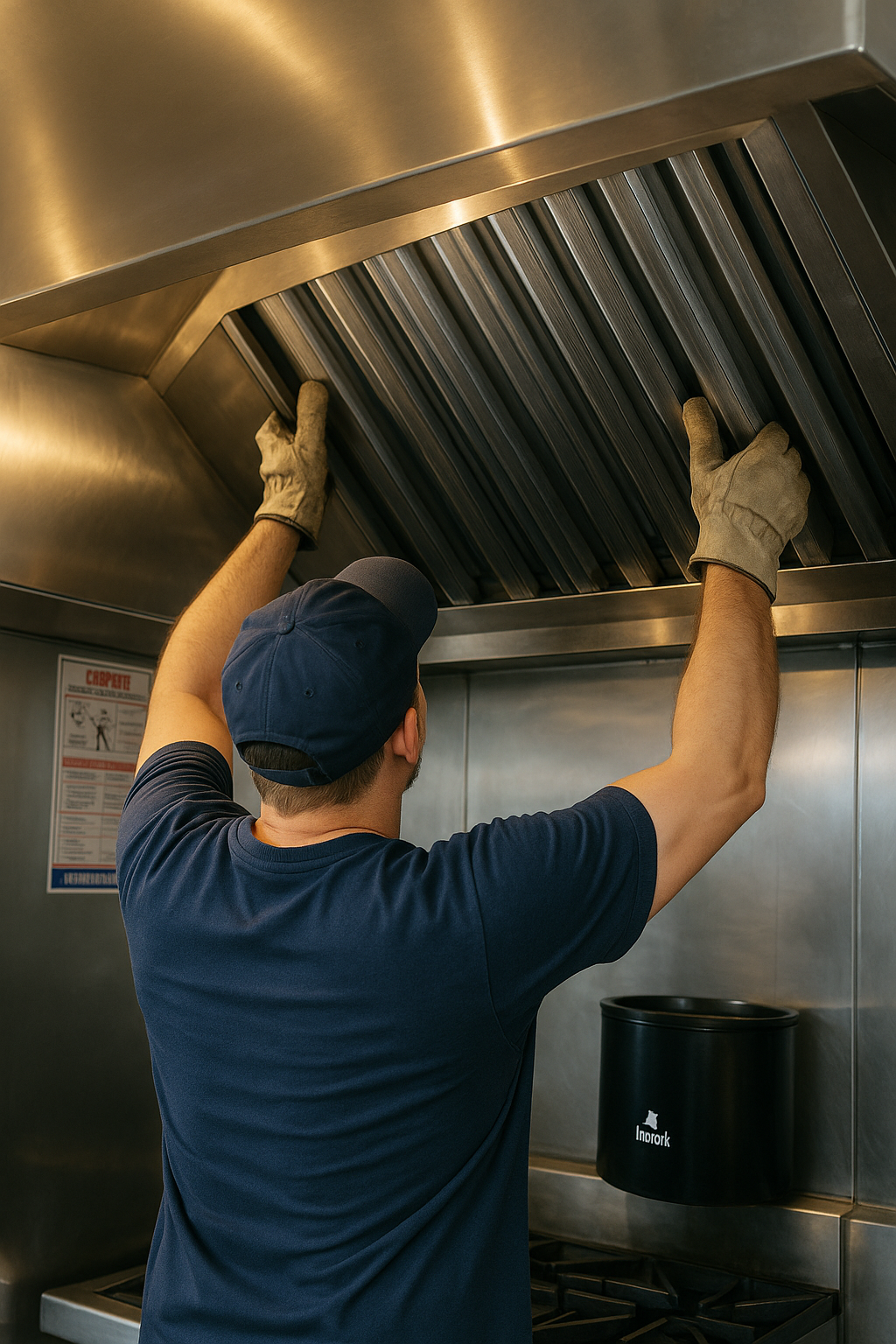
A Licensed Ansul Tech Inspecting a Installed Ansul Fire Suppression System
Done Right HFS says policy lag, uneven enforcement, aging code frameworks make Commercial Hood cleaning and Fire suppression systems more urgent than ever.
BROOKLYN, NY, UNITED STATES, March 17, 2026 /EINPresswire.com/ -- Done Right Hood and Fire Safety, a provider of commercial kitchen exhaust, fire protection, and compliance services, is calling attention to growing fire-safety concerns facing restaurant operators in New York and South Florida, arguing that the combination of cooking-related fire risk, evolving commercial kitchen hazards, and slow-moving code and policy updates has increased the burden on owners to stay ahead of preventable dangers. National fire data continues to show that cooking is the leading cause of restaurant fires, while local and state authorities in New York and Florida maintain permit, inspection, and code-enforcement frameworks for commercial cooking operations.According to the company, restaurant owners often assume compliance is limited to opening permits and periodic inspections, when in reality the day-to-day responsibility for maintaining safer cooking environments extends much further. In New York City, the FDNY states that commercial cooking systems require permits and that owners must ensure exhaust systems are cleaned regularly by properly certified personnel, including cleaning to bare metal where required. In Florida, the State Fire Marshal oversees licensing and regulation for fire equipment and engineered fire protection systems, while local jurisdictions continue to apply permitting and inspection requirements to commercial kitchen and hood-related work.
Done Right Hood and Fire Safety says those obligations have become more important as restaurant kitchens grow more complex and as public policy and code-adoption processes move slower than the pace of operational change. NFPA explains that its codes and standards are revised on multi-year cycles, while Florida’s fire code is updated through a triennial rulemaking process and New York City’s current Fire Code took effect in 2022. Based on those official cycles, the company argues that hazards can evolve faster than the rules businesses rely on, especially when local enforcement capacity and political priorities vary by jurisdiction. This is an inference drawn from the timing of standards development and code adoption, not a claim by the cited agencies themselves.
“Too many operators still think fire safety starts and stops with passing an inspection, and that mindset is part of the problem,” said Chris, a spokesperson for Done Right Hood and Fire Safety. “When grease builds up in a hood, in ductwork, or around equipment, that risk does not stay inside the four walls of a kitchen. It affects employees, neighboring tenants, customers, first responders, and the surrounding community. Restaurant owners have a responsibility to treat Commercial Hood cleaning, Commercial duct cleaning, and Fire suppression systems as active life-safety priorities, not background maintenance.”
The company points to NFPA guidance that hoods should be inspected for grease buildup on a recurring basis and cleaned when inspection shows accumulation, with frequencies that can vary by cooking volume and fuel type. FDNY materials similarly emphasize that operators should use approved companies and credentialed workers for commercial cooking exhaust cleaning and verify that systems are maintained properly.
In South Florida, local permitting and inspection materials for commercial kitchen hoods and suppression equipment underscore that these systems are not optional back-of-house features, but regulated life-safety components tied to plan review, interlocks, and shutdown functions. Broward County materials also show local amendments and permit documentation around cooking exhaust systems and kitchen hood fire suppression work, reinforcing that compliance is both a state and local issue.
Done Right Hood and Fire Safety says the practical takeaway for restaurant operators is simple: do not wait for a violation, a near miss, or a fire event to understand your obligations. Owners should know who is cleaning their systems, whether that work is being documented correctly, whether their Fire suppression systems are being inspected and serviced by qualified professionals, and whether grease-bearing components are being maintained before buildup creates a larger hazard. In New York City, FDNY specifically notes that cooking exhaust systems must be operated during cooking and that certified personnel are required for certain cleaning work.
“Fire safety in restaurants is not just a code issue, it is a community issue,” Chris added. “A preventable kitchen fire can disrupt an entire block, displace workers, threaten residents above or beside a restaurant, and put enormous pressure on emergency services. The urgency is real. Owners need clearer education, stronger accountability, and updated standards that reflect how commercial kitchens actually operate today.”
The company is urging restaurant owners, landlords, and facility stakeholders in New York and South Florida to review their kitchen exhaust maintenance programs, verify service credentials, and treat Commercial Hood cleaning, Commercial duct cleaning, and Fire suppression systems as part of a broader duty to protect staff, patrons, neighboring businesses, and local communities from avoidable harm.
Gabriel Jean
Done Right Hood & Fire Safety
+1 2126603232
gabriel@donerighthfs.com
Visit us on social media:
LinkedIn
Instagram
Facebook
YouTube
Legal Disclaimer:
EIN Presswire provides this news content "as is" without warranty of any kind. We do not accept any responsibility or liability for the accuracy, content, images, videos, licenses, completeness, legality, or reliability of the information contained in this article. If you have any complaints or copyright issues related to this article, kindly contact the author above.
