


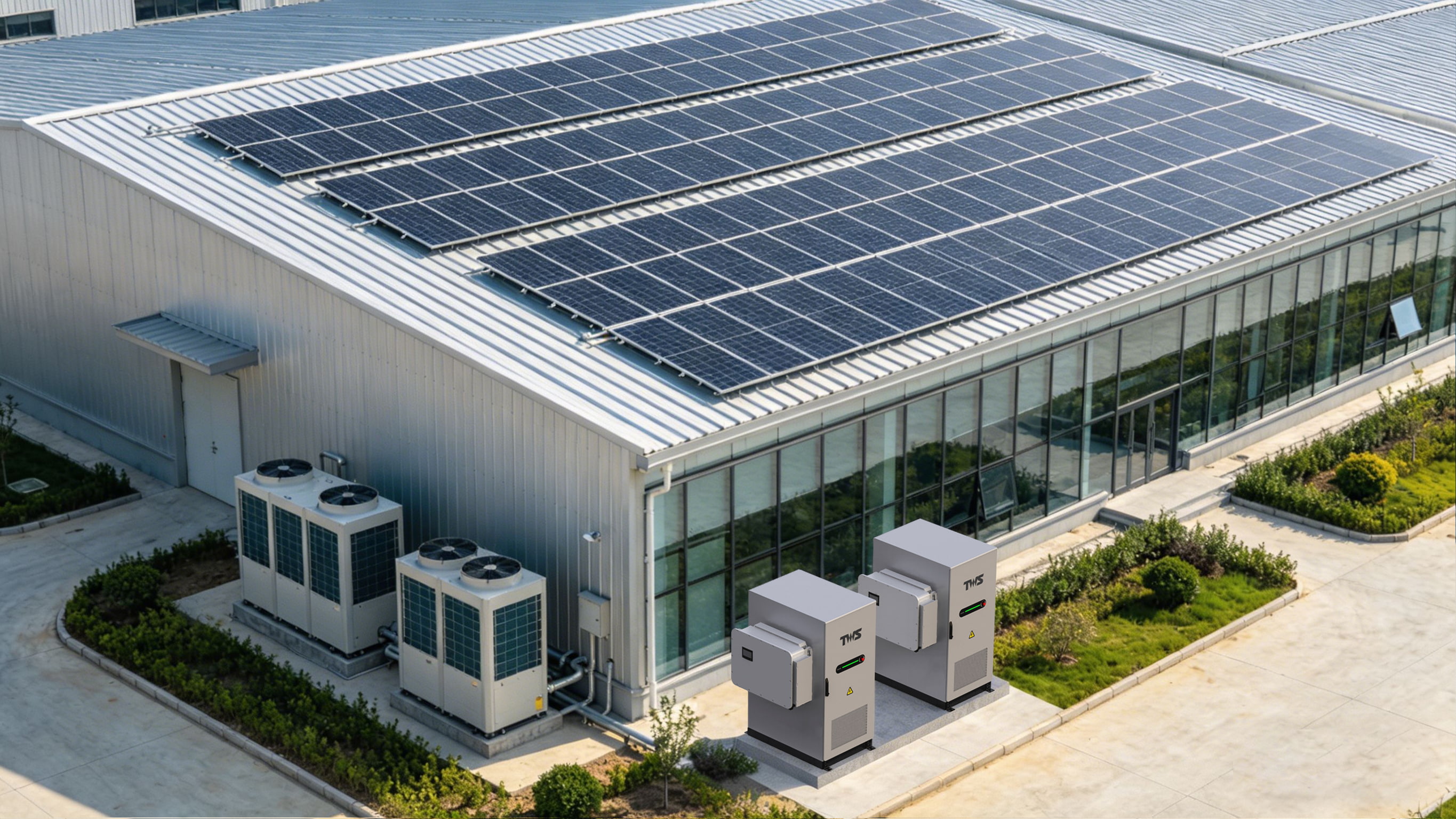
Heat Pumps and ESS for Commercial and Industrial Applications_TWS ESS
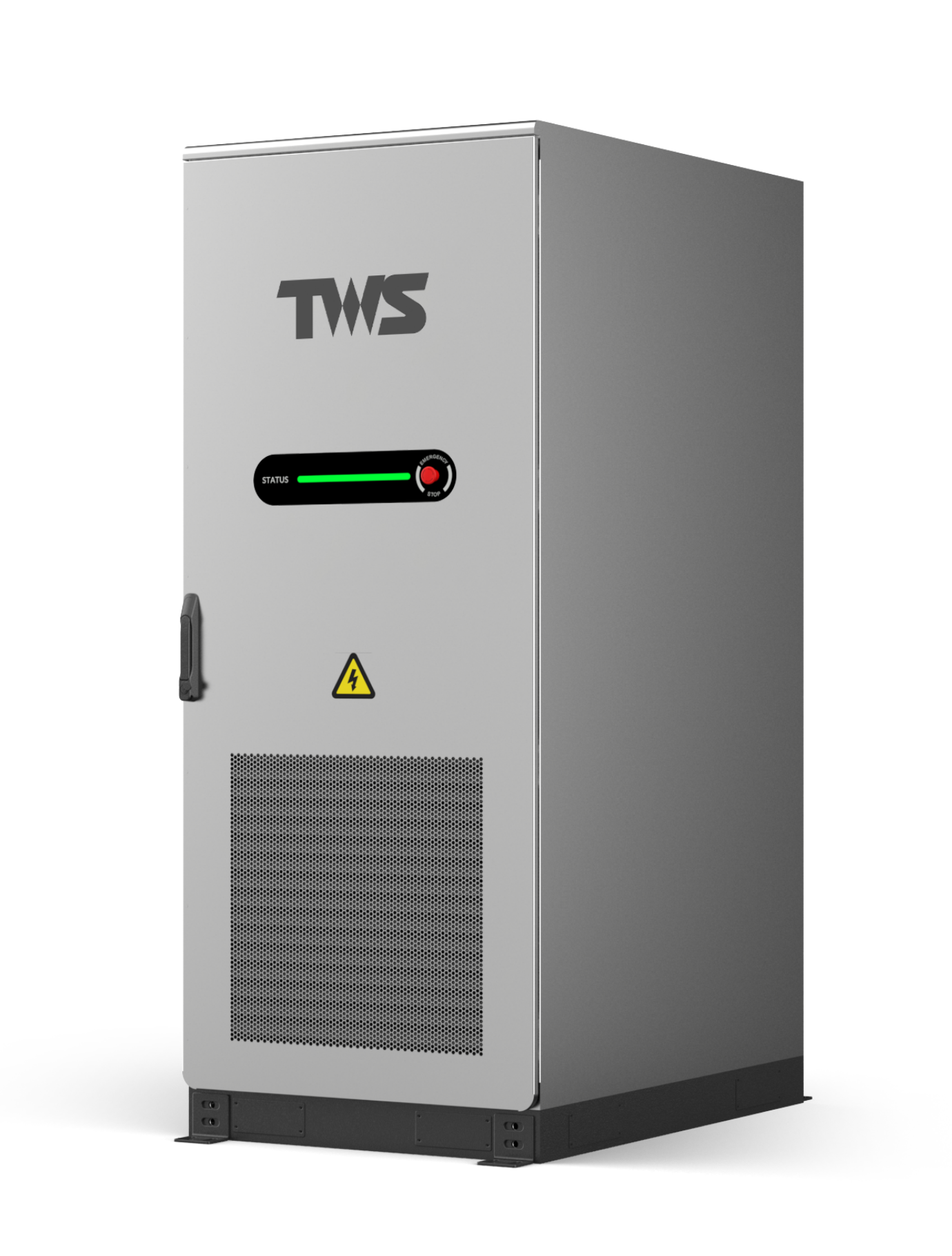
Max-Pro C&I ESS Cabinet - Suitable for Commercial and Industrial Heat Pumps
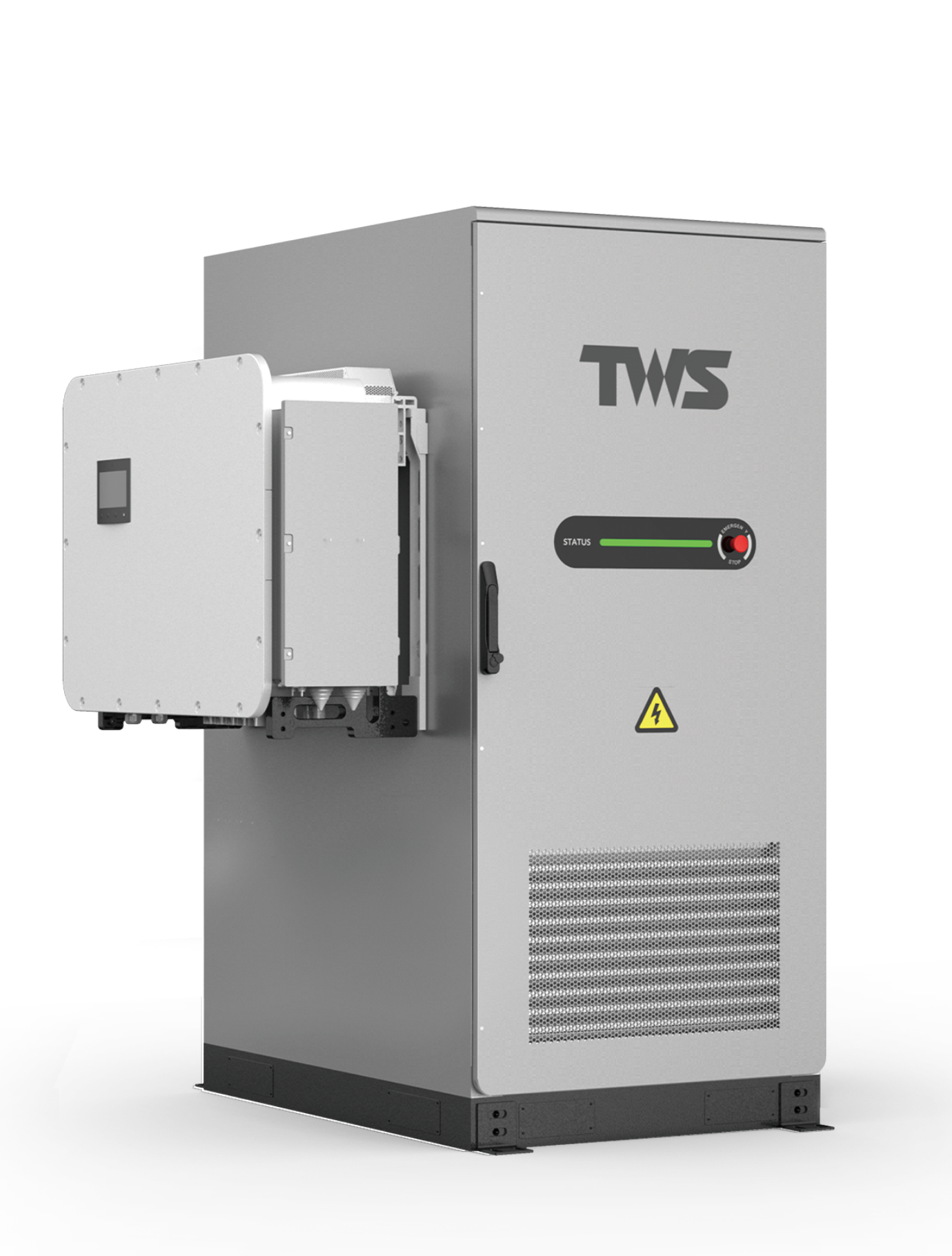
Max-Solaris ESS Cabinet with Hybrid Inverter, ideal to combine with heat pumps for Commercial and Industrial buildings.
Standalone European C&I heat pumps face peak tariffs and grid bottlenecks. TWS Max-Pro & Max-Solaris BESS rewrite the math, cutting energy bills by 20–35%.
FRANKFURT, GERMANY, June 22, 2026 /EINPresswire.com/ -- Commercial heat pumps are an incredible tool for cutting emissions. But on their own, they often trigger a hidden trap: soaring peak demand charges, grid capacity bottlenecks, and wasted solar energy.Integrating a Battery Energy Storage System (BESS) changes the entire financial equation, unlocking a 20–35% reduction in total electricity costs for factories, hotels, offices, and supermarkets.
Here is why pairing a BESS with your commercial heat pump has reached a critical turning point in 2026.
The 3 Hidden Traps of Standalone Heat Pumps
1. The Winter Tariff Trap
In Central and Northern Europe, winter heating runs continuously. Under peak non-residential electricity tariffs, standalone heat pumps become an aggressive monthly expense:
●Seasonal Surges: According to historical grid data from Electricity Maps, winter power costs in Germany can reach almost twice the rates seen in summer [1].
●The Evening Spike: The same Electricity Maps grid analytics show daily hourly rates peaking dramatically between 16:00–20:00 and 04:00–08:00. During the evening rush, rates frequently double or triple midday prices [1].
●The Bottom Line: These expensive hours align exactly with when hotels, commercial greenhouses, and manufacturing plants require heating, while winter solar yields are at their lowest.
2. The Gridlock & Infrastructure Delay
When multiple heavy-duty heat pumps ramp up at the same time, the sudden power surge can exceed your transformer limits, tripping breakers and triggering severe financial penalties for exceeding your peak demand allowance.
●The Upgrade Nightmare: Expanding grid capacity is no longer a quick fix. In capacity-congested regions, connection queues are severely backlogged.
●Years of Waiting: According to a European energy sector report by Eurelectric (Gridlock to grid growth), complex regulatory approvals add years to infrastructure timelines. As a prime example of these backlogs, Norway experienced 8-month wait times just to assign a case manager to a grid upgrade file [2].
3. The Solar Self-Consumption Gap
Many operators view rooftop solar as an instant fix for heat pump operating costs, but the timing is completely misaligned. Solar production peaks at noon, while commercial heating demand peaks in the freezing mornings and late evenings.
●Paying to Export: Without a battery buffer, surplus midday solar is exported at rock-bottom feed-in rates. In fact, Electricity Maps recorded 576 hours of negative electricity prices across 104 days in Germany—meaning you literally have to pay the utility to take your clean solar energy [1].
●The Cost Penalty: Without storage, you export cheap or negative power at noon, only to buy it back in the evening at 4 to 5 times the cost.
How BESS Solves the Equation
A commercial BESS acts as a local power buffer, transforming your heating infrastructure into an intelligent, cost-saving asset through four core value streams:
●Peak Shaving: The battery charges during cheap off-peak windows (or from your own noon solar) and discharges during peak hours. This slashes your peak kW draw from the utility, cutting total annual electricity bills by 20–35%.
●Dynamic Capacity Expansion: By absorbing massive multi-pump startup surges in milliseconds, a BESS eliminates circuit trips without waiting years for a costly grid infrastructure upgrade.
●Maximizing Solar Value: Storage captures midday solar energy and saves it for peak morning or evening heating cycles, boosting solar self-consumption from a low 30% up to 70–80%.
●Guaranteed Resilience: In a grid failure, a 200 kWh+ system keeps critical heating, cooling, or cold logistics running smoothly for 2–8+ hours, protecting your inventory and production lines.
Ideal for C&I Demands: TWS Max-Pro & Max-Solaris
TWS Max-Pro and Max-Solaris commercial energy storage systems are capable of handling with ease the heavy power demands of large-scale heat pump systems:
●High-Power Instantaneous Discharge: Smoothly absorbs multi-pump startup surges to keep your grid profile perfectly flat. Meanwhile, it eliminates the hefty peak demand charges associated with drawing high capacity from the grid.
●Liquid Cooling Thermal Management: Delivers rock-solid battery stability in freezing European winters (down to -20°C) and extreme summer heatwaves (up to 50°C).
●Intelligent EMS Integration: Matches your heat pump schedule with optimal tariff hours to ensure cheap electricity available.
Why 2026 is the Strategic Window to Install
Three market forces have converged this year to maximize your return on investment (ROI):
●Permanent Electricity Cost Volatility:
The days of stable, cheap European wholesale power (~53 USD/MWh) between 2018 to 2020 are gone. Long-term market charts made before 2026 from the International Energy Agency (IEA) indicate a much higher baseline floor averaging around 86.5 USD/MWh through late 2027 [3]. However, ongoing geopolitical instability in the Hormuz Strait would only push the costs higher, as EU electricity prices are often tied to gas prices. And unfortunately, the transportation of gas undergos a severe blockage due to the geopolitical tension.
●Rock-Bottom Technology Costs:
Capital expenditure for hardware has dropped substantially. According to market data published by BSLBATT, installed C&I system costs now reliably fall between 250 USD and 450 USD per kWh (covering modules, inverters, and labor), following a historical trend of a 20% annual decline over the past decade [4]. This makes the initial payback period shorter than ever.
●Stricter Mandates:
Tightening EU policies—such as the updated Energy Performance of Buildings Directive (EPBD)—are forcing rapid electrification. Proactive energy management is no longer a future option; it is an immediate compliance priority.
FAQs: Sizing a System Right
Q: How do I calculate the electrical power required by my heat pump?
●The Rule: You cannot look at thermal output alone; you must divide thermal capacity by the Coefficient of Performance (COP).
●The Calculation: If your facility operates a heat pump system that produces 400 kW of heat with a COP of 4, you divide 400 by 4. Your system requires 100 kW of electrical power to run.
●Important Watch-out for Seasonal/Cooling Modes: The COP is not fixed; it changes depending on the ambient temperature and whether the system is heating or cooling. If your heat pump is used for cooling or operating in extreme winter conditions, the COP is typically lower (meaning it is less efficient and draws more electricity). Always use the lowest expected COP in your calculations to ensure your ESS can handle the highest possible electrical load.
Q: Can I choose my ESS size based solely on the heat pump's electrical consumption?
●No. Looking only at the peak electrical power (kW) is not enough. To choose the right ESS, you must determine the energy capacity (kWh), which depends on the number of hours you need the storage system to run.
●Power (kW) vs. Energy (kWh): If your heat pump requires 100 kW of electricity, an ESS that delivers 100 kW of power will turn it on. However, if you need the ESS to run that heat pump independently as a backup or for peak-shaving for 4 hours, a basic calculation suggests you need 400 kWh (100 kW} times 4 hours = 400 kWh.
●Define Your Goal: Before choosing a system, decide on its primary function. Are you looking for a 2-hour buffer for peak-shaving, or a 4-to-8-hour window for complete energy independence or emergency backup?
Q: Now that I have known the energy needed for my heat pump system, would this suffice?
The energy needed is an important factor to have to know the BESS size needed. however, some battery-specific factors must be considered when sizing the ESS, for example:
●Depth of Discharge (DoD): Batteries are not drained to 0% nominal capacity. To maximize lifespan and protect battery health, the operating DoD for LFP batteries is often recommended to be kept between 20% and 80%. This means you can actually only utilize about 60% of the total battery capacity rather than the full 100%. If your heat pump project requires a strict 400 kWh of usable energy, you must size and install a larger battery pack to guarantee that target window is fully accessible.
●Round-Trip Efficiency (RTE): Energy efficiency must look at the whole system rather than just the battery cell. While running, the storage system itself continuously consumes electricity to power its own components, such as the liquid cooling thermal management setup and internal controls. Additionally, energy is lost through PCS and transformer conversion steps. Your operational models and charging window strategies must account for this by buying more input power during off-peak hours than the system will ultimately discharge.
●Degradation and Lifespan: Battery capacity naturally decreases slightly over years of continuous cycling. System designers always add a small capacity cushion (capacity margin) so the hardware still meets your heat pump's power demands at the end of its intended operational lifespan.
Q: Is matching the heat pump to the ESS enough for a real-world commercial project?
●No. In reality, a commercial or industrial facility is highly complex, and a heat pump is rarely the only electrical load on site. Sizing a system based only on the heat pump will result in an underpowered ESS.
●Comprehensive Project Sizing: When designing a real-world project, system engineers must factor in other major facility loads (e.g., manufacturing machinery, production lines, lighting, and ventilation systems) alongside the building's total peak demand profile, existing grid constraints, and on-site renewable generation like rooftop solar arrays. Choosing the right setup requires evaluating the entire ecosystem together.
Ready to Optimize Your Energy Economics?
Leaving your commercial heat pump unmanaged means leaving significant financial savings on the table. TWS Technology provides end-to-end commercial BESS solutions backed by European technical support and customized integration layouts.
Connect with our team today to request a complimentary preliminary evaluation for your facility!
●Visit us: https://tws-bess.com/
●Email: infoess@tws.com to schedule an expert consultation.
●Attending The smarter E Europe 2026 in Munich? Come meet our ESS team at Booth C1.470 to see the Max-Pro and Max-Solaris systems in person.
References
●[1] Electricity Maps (Grid in Review 2025: Germany)
○Link: https://www.electricitymaps.com/grid-in-review-2025/germany
●[2] Eurelectric (Gridlock to grid growth: tackling connection queues for a smoother energy transition)
○Link: https://www.eurelectric.org/blog/gridlock-to-grid-growth/
●[3] International Energy Agency (IEA Wholesale Market Projections)
○Link: https://www.iea.org/data-and-statistics/charts/quarterly-average-wholesale-electricity-prices-for-selected-regions-2018-2027
●[4] BSLBATT (Commercial Battery Storage Cost Guide)
○Link: https://www.google.com/search?q=https%3A%2F%2Fbslbatt.com%2Fblogs%2Fcommercial-battery-storage-cost%2F
Lydia Cui
TWS Technology Limited
+852 9568 3586
email us here
Visit us on social media:
LinkedIn
Instagram
Facebook
YouTube
TikTok
Legal Disclaimer:
EIN Presswire provides this news content "as is" without warranty of any kind. We do not accept any responsibility or liability for the accuracy, content, images, videos, licenses, completeness, legality, or reliability of the information contained in this article. If you have any complaints or copyright issues related to this article, kindly contact the author above.
