

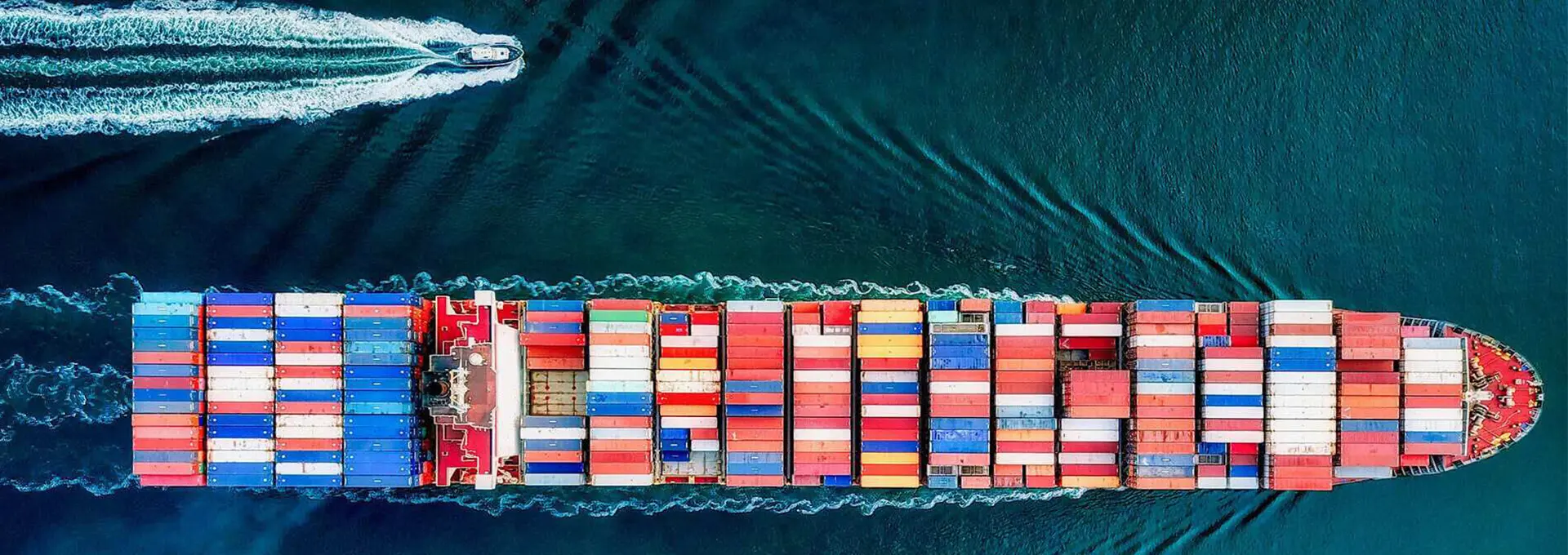
As pharmaceutical products, perishable foods, and sensitive chemical reagents move across international borders via sea, air, and rail, the demand for uncompromising transparency has shifted from a premium service to a fundamental requirement. In this high-stakes environment, partnering with a professional Logistics Container Traceability Company provides the technological framework necessary to mitigate risks such as spoilage, theft, and regulatory non-compliance. Since its inception in 2015, Trackingeyes has addressed these critical industry pain points by leveraging a founding team with over a decade of deep-rooted logistics expertise. By integrating hardware intelligence with cloud-based visualization, the sector is moving toward a future where every container’s journey is documented with scientific precision.
1. Standardized Quality Management and Global Compliance
One of the primary advantages of engaging an ISO-certified partner is the assurance of standardized operational protocols. ISO 9001 certification, in particular, signifies that a company adheres to rigorous quality management principles, ensuring that the tracking hardware and data platforms are consistent and reliable. For a specialized Container Traceability Company, this means that every smart lock, GPS tracker, and temperature sensor undergoes standardized testing before deployment.
In the cold chain, where a deviation of even two degrees Celsius can result in the total loss of a shipment, the reliability of the monitoring equipment is paramount. Regulatory bodies like the FDA in the United States and similar agencies in Europe require detailed environmental logs for sensitive imports. An ISO-certified provider ensures that the data collected is not only accurate but also stored and managed in a way that meets international auditing standards. This compliance-centric approach helps thousands of import and export enterprises avoid the costly legal and financial repercussions associated with undocumented temperature excursions.
2. Enhanced Supply Chain Visibility via End-to-End Tracking
True supply chain visualization requires more than just knowing the location of a vessel; it requires "door-to-door" insight. Modern logistics solutions focus on providing visibility from the moment a container leaves the factory until it arrives at the final distribution center. This is especially vital in multimodal transport involving transitions between trucks, trains, and ships.
A professional Container Traceability Company utilizes advanced IoT (Internet of Things) devices that transmit real-time data on location, humidity, and temperature. For cold chain operators, this means having the ability to monitor the internal environment of a refrigerated container (reefer) in real-time. If a cooling unit fails during a long-haul rail journey or while sitting at a congested port, the system triggers immediate alerts. This proactive monitoring allows logistics managers to intervene—perhaps by contacting the carrier to check the power source—before the cargo reaches a critical "point of no return." Trackingeyes has built its reputation on this end-to-end capability, serving a diverse global clientele by transforming raw data into actionable intelligence.
3. Data Integration through Open API Interfaces
In today’s digital-first economy, data is only as valuable as its accessibility. A significant challenge for many logistics enterprises is "data siloing," where tracking information is trapped in a third-party app and cannot be easily shared with internal Enterprise Resource Planning (ERP) or Transportation Management Systems (TMS). A forward-thinking Container Traceability Company solves this by offering open API data interfaces.
These interfaces allow businesses to seamlessly integrate real-time tracking feeds directly into their own dashboards. For cold chain stakeholders, this integration means that warehouse managers can see exactly when a temperature-controlled shipment will arrive, allowing them to prepare the cold storage space in advance. This synchronization reduces dwell time on the tarmac or loading dock, which is often the most vulnerable period for perishable goods. By automating the flow of information, companies can significantly enhance their operational efficiency and reduce the administrative burden of manual tracking updates.
4. Customizable Solutions for Diverse Cargo Needs
Not all cold chain shipments are created equal. A shipment of frozen seafood requires a vastly different monitoring profile than a shipment of chilled vaccines or fresh tropical fruits. A versatile Container Traceability Company understands these nuances and provides customizable tracking solutions tailored to specific product requirements.
Customization can involve the frequency of data pings, the types of sensors deployed (such as light sensors to detect unauthorized door openings), and the specific threshold for alerts. For high-value pharmaceutical exports, a company might require redundant tracking—using both a container-level smart lock and a pallet-level small tracker—to ensure absolute security. By collaborating with a provider that specializes in these tailored configurations, enterprises can ensure they are not over-paying for unnecessary features while still covering every critical risk factor associated with their specific cargo type.
5. Mitigation of Industry Pain Points through Expert Insights
The logistics industry is rife with "blind spots," particularly at transshipment hubs and during the final mile of delivery. A company founded on a decade of logistics expertise, such as Trackingeyes, is uniquely positioned to identify these vulnerabilities before they manifest as losses. Experienced providers understand that cold chain failures are often caused by human error—such as a driver turning off a refrigeration unit to save fuel or a port worker failing to plug a reefer into the terminal’s power grid.
By deploying intelligent hardware that monitors not just the temperature, but also the "status" of the container (e.g., whether it is moving, stationary, or being tampered with), a Container Traceability Company provides a layer of accountability. When carriers know that their performance is being monitored in real-time by an independent, high-precision system, the overall quality of handling tends to improve. This "transparency effect" is a powerful tool for reducing the frequency of insurance claims and improving the overall resilience of the global supply chain.
The Future of Cold Chain Management
As we look toward the next decade, the integration of AI and machine learning will further refine how we track and protect sensitive cargo. Predictive analytics will soon allow companies to anticipate delays based on weather patterns or port historical data, enabling even more precise temperature management. For the thousands of enterprises currently navigating the complexities of international trade, the choice of a tracking partner remains a strategic decision that affects brand reputation and the bottom line.
The transition from reactive to proactive logistics is facilitated by the marriage of hardware durability and software sophistication. In the realm of sea, air, and rail transport, the ability to maintain a continuous "chain of custody" and a "chain of temperature" is what defines success. By prioritizing ISO-certified quality and customizable, API-ready platforms, businesses can secure their place in a more transparent and efficient global marketplace.
The ongoing commitment to research and development in supply chain visualization ensures that even the most sensitive products can reach their destination in optimal condition. As global trade routes expand and consumer expectations for fresh, safe products rise, the role of specialized monitoring becomes the vital link that holds the entire logistics network together.
The evolution of logistics technology is driven by a deep understanding of the challenges faced by exporters and importers daily. By providing the tools for total visibility, the industry is not just tracking containers; it is safeguarding the health and resources of a global population that relies on the steady, safe flow of goods across every continent.
To explore professional logistics tracking and supply chain visualization solutions, visit https://www.trackingeyes.com/
Trackingeyes Expert in Logistics Visualization
Trackingeyes Expert in Logistics Visualization
xuad@yundangnet.com
Legal Disclaimer:
EIN Presswire provides this news content "as is" without warranty of any kind. We do not accept any responsibility or liability for the accuracy, content, images, videos, licenses, completeness, legality, or reliability of the information contained in this article. If you have any complaints or copyright issues related to this article, kindly contact the author above.
